
tHE ROMULUS KINGDOM
Unus pro omnibus omnes pro uno
(One for all, all for one!)
Guides
LATEST News
Another week. Another crack in the glossy illusion of the NFT dream.
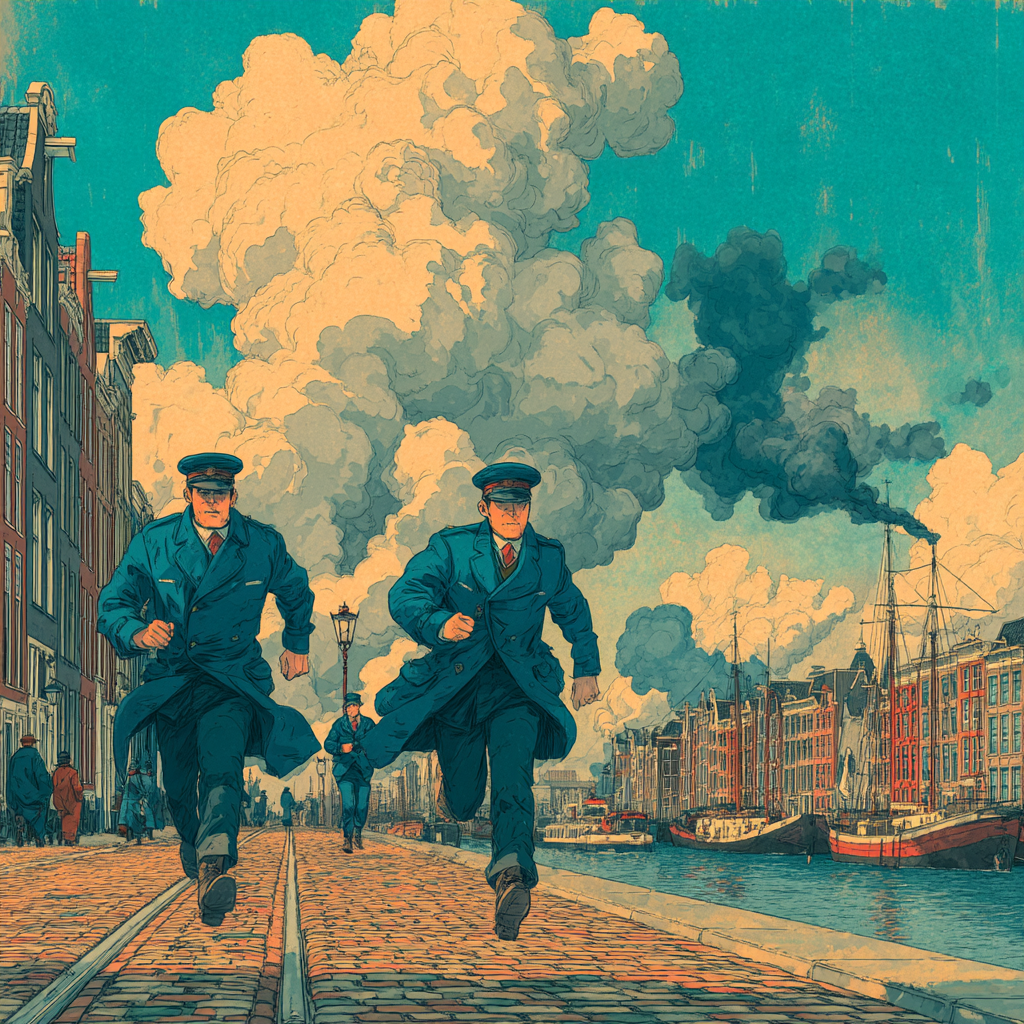
This time, the story doesn’t come from Twitter spaces, influencer drama, or a rug-pull Discord vanishing overnight. It comes from the Netherlands, where authorities arrested four individuals connected to a €1.4 million ($1.6 million) NFT theft—a reminder that the digital art world has officially crossed into the same dangerous territory as traditional high-value assets.
NFTs are no longer “just JPEGs.” They are targets.
And that changes everything.
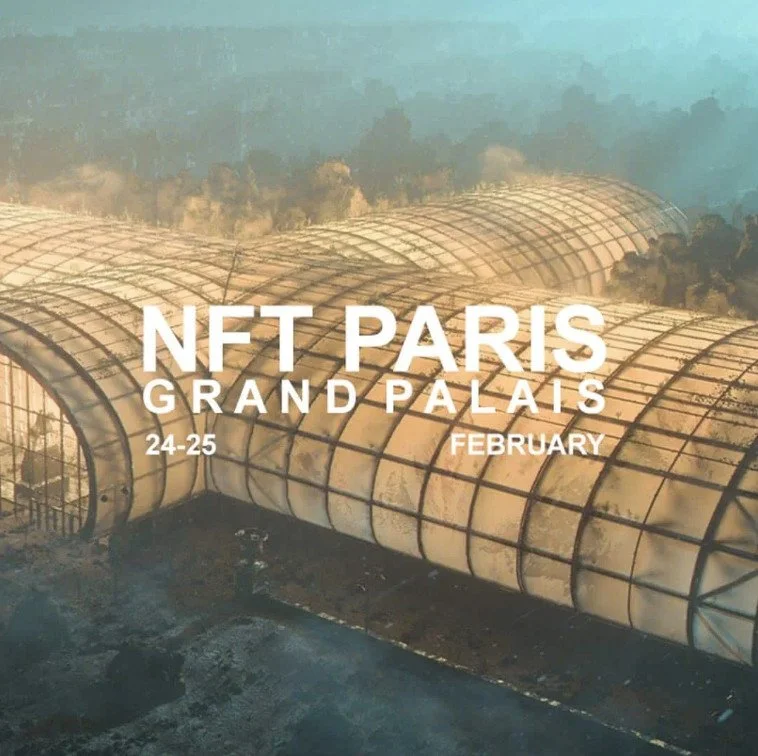
Another headline made the rounds in the NFT world, and this one hit quietly. No chaos. No meltdown threads. No panic in the streets. NFT Paris has been cancelled.
For some people, that sentence alone is enough to shout “NFTs are dead.” I don’t see it that way. Not even close. What I see is a market finally being honest with itself.
Another door just closed in the NFT world, not with fireworks, not with a dramatic collapse. But with a quiet announcement that still echoes loud if you’ve been here long enough.
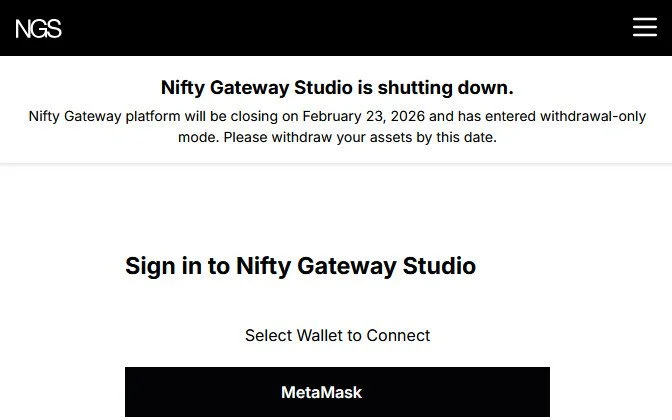
Nifty Gateway — one of the earliest mainstream NFT marketplaces — is shutting down its platform. For many, this is just another crypto headline. For OG collectors and artists, it feels like watching an old battleground fade into memory. Let’s talk about what this really means.
Some artists whisper through history. Others bleed into it.
This year, Houston becomes sacred ground as a major Frida Kahlo retrospective opens at the Museum of Fine Arts Houston—and I’ll say this plainly, from the heart and from the battlefield of art.
I love Frida Kahlo. Not in the polite, academic way. Not in the museum-label way. I love her because she was a warrior, long before Instagram quotes tried to soften that word.
Every so often, the art world does what it has always done best — it presses its finger directly onto society’s most sensitive nerve.
This time, the spark came from Vienna, where a museum exhibition featuring contemporary interpretations of religious imagery ignited backlash from religious groups, conservative commentators, and cultural critics. Accusations flew fast: blasphemy, disrespect, provocation for provocation’s sake.
Some demanded removal.
Others demanded apology.
Others demanded silence.
And art, as usual, refused.
If this feels familiar, it should. Because this isn’t really about Vienna. It’s about something much older — and much deeper.
This is about why art and religion have always collided.
Why museums become battlegrounds.
And why artists keep walking straight into cultural lightning storms even when they know the fire is waiting.
Of course it happened on New Year’s Eve.
Of course it happened at Mar-a-Lago.
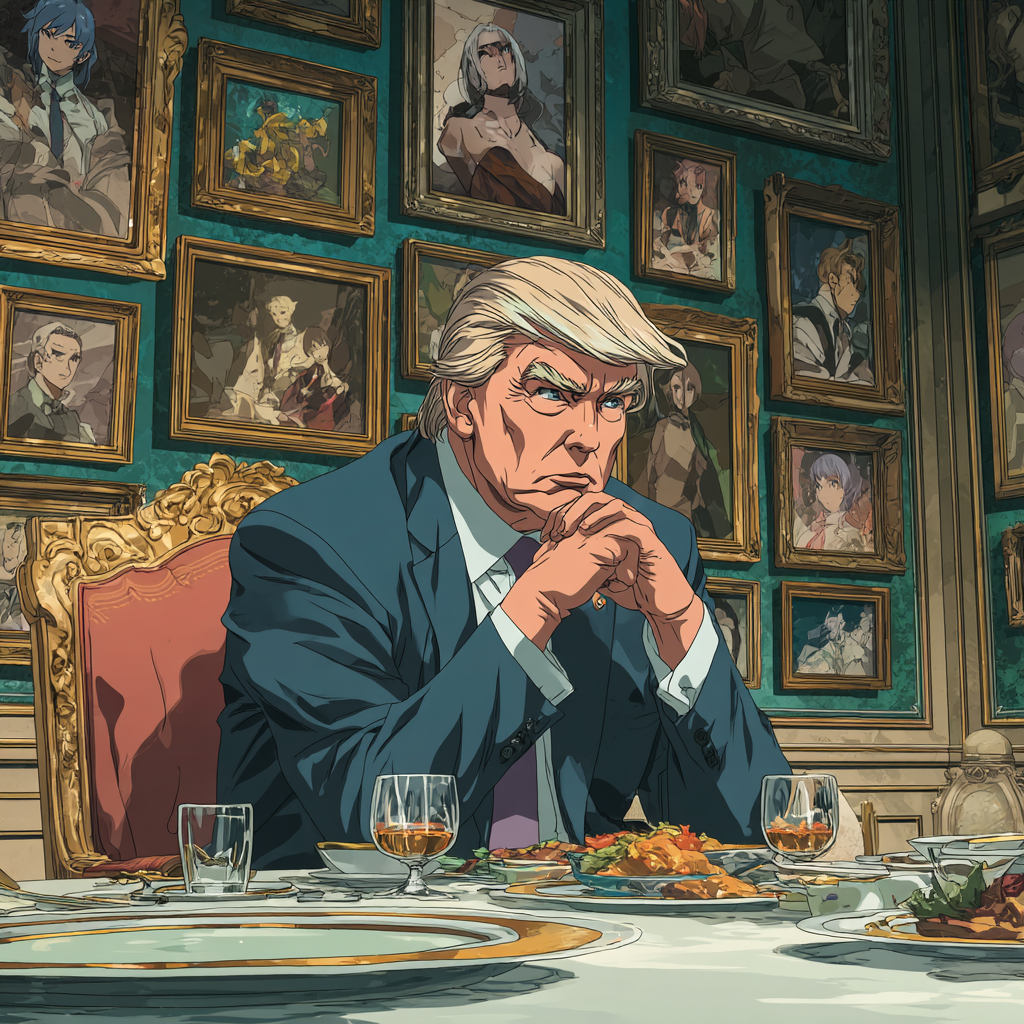
And of course it involved Donald Trump, art, religion, money, and controversy — all colliding under crystal chandeliers as champagne glasses clinked and the calendar flipped to 2026.
While most of the world welcomed the new year quietly — reflecting on loss, hope, survival — Trump did what Trump does best: he turned the moment into a spectacle. Not just political. Not just cultural. But symbolic.
At a lavish New Year’s Eve gala hosted at his Mar-a-Lago club in Palm Beach, Florida, Trump presided over a charity auction that would soon ripple through headlines and art circles alike. The centerpiece? A freshly painted, live-created portrait of Jesus Christ, completed in front of the audience and sold for $2.75 million.
This wasn’t just an art sale.
It wasn’t just charity.
It was a mirror held up to our age.
And Warriors — the reflection was uncomfortable.
Just when you thought 2025 couldn’t get any more Banksy-ish(I’m so funny ), the phantom of street art struck again — right as winter began to whisper its cold secrets across London. The world’s most mysterious artist dropped a new mural so perfectly timed for end-of-year introspection it could’ve been scripted by the North Star itself. Let’s talk about Banksy’s latest London drop, what it might mean, and how it fits into the mythic arc I first dove into in my own piece “A Warrior’s Tale: Banksy”.
The global art world has long been a battleground — not just of beauty and expression, but of money, power, and narrative. After years of decline, uncertainty, and market contraction, the tide may finally be turning. In 2025, Sotheby’s and Christie’s together generated $13.2 billion in sales, marking a rebound in the art auction market that has serious implications for artists, collectors, and institutions alike.
This isn’t just another quarterly headline. It’s a signal — a story of resilience and reinvention — and it’s reshaping conversations about value, legacy, and the future of cultural investment.
Today, we step into a moment bigger than art, bigger than accolades, bigger than any single institution’s approval. Today, we witness history being carved by the hands of a man who understands the power of material, memory, and reclamation. Ibrahim Mahama, the Ghanaian artist known for transforming discarded objects into monumental installations, has just become the first African ever to top ArtReview’s annual Power 100 list—a ranking of the most influential figures shaping contemporary art across the globe.
Every empire rises with genius and falls with time.
Every bastion of culture eventually faces its reckoning.
Today, we stand witness to another monumental shift in the ever-changing battlefield of the art world: Sperone Westwater — one of New York’s most legendary galleries — announced it will close its doors after fifty years.
Five decades of influence, innovation, and prestige… gone.
If this feels familiar, it’s because I’ve already warned you, Warriors.
In my article When the Storm Hit the Art Market, I wrote about the seismic waves shaking the gallery world — closures in NYC, collapses across continents, and the end of the white-cube empire style of exhibiting art. That article wasn’t a prophecy.
Featured Art Of The Week
MY MERCH
Kindly check out my merch, The best t-shirts and mugs that fit your style
COMING SOON!