
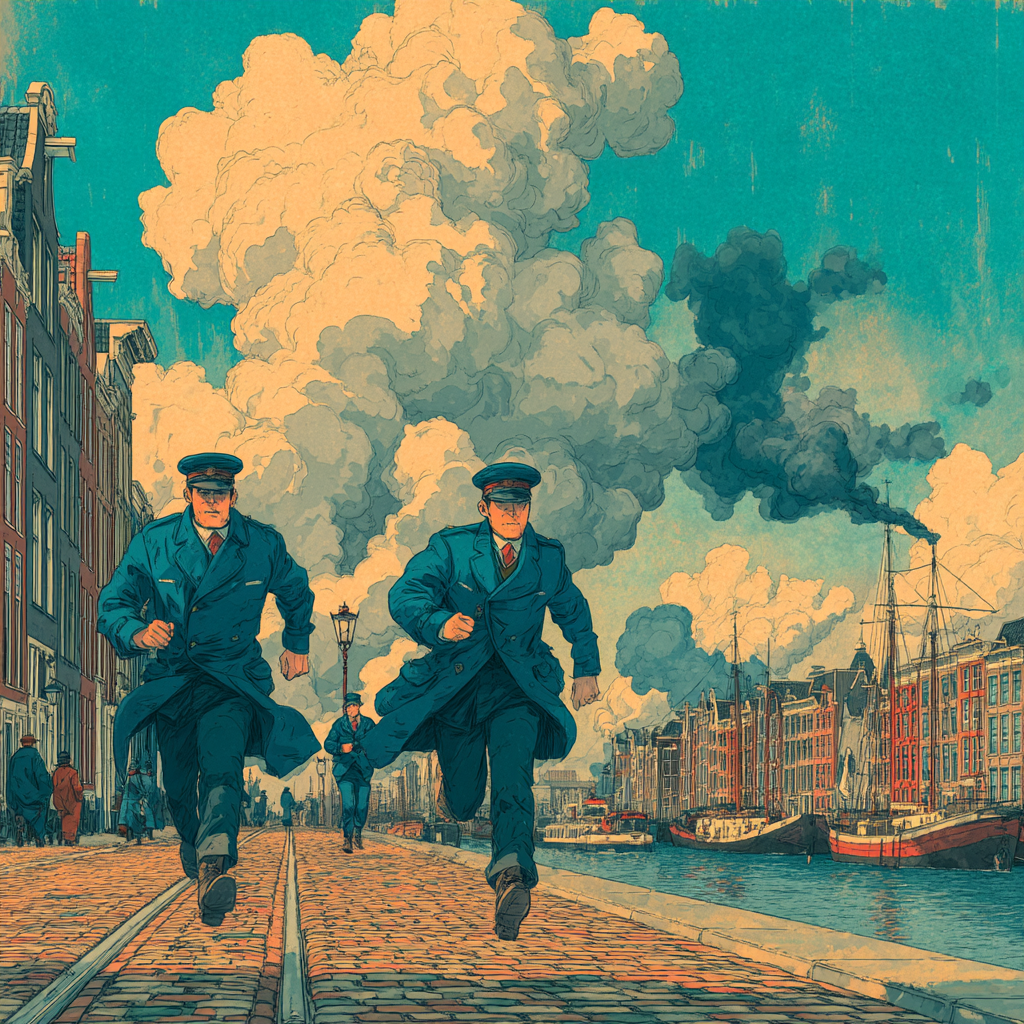
Four arrested following $1.6 million NFT heist in the Netherlands
Greetings Warriors!
Another week. Another crack in the glossy illusion of the NFT dream.
This time, the story doesn’t come from Twitter spaces, influencer drama, or a rug-pull Discord vanishing overnight. It comes from the Netherlands, where authorities arrested four individuals connected to a €1.4 million ($1.6 million) NFT theft—a reminder that the digital art world has officially crossed into the same dangerous territory as traditional high-value assets.
NFTs are no longer “just JPEGs.” They are targets.
And that changes everything.
Check out my new poem book!
A collection of my most deepest thoughts.

The $1.6 Million NFT Heist: What Actually Happened
In January 2026, Dutch police arrested two men and two women in the province of Zeeland in connection with the theft of 169 NFTs from multiple victims’ digital wallets. The estimated value? Roughly €1.4 million.
Authorities seized:
Digital data carriers (likely devices tied to wallets or transaction logs)
A large amount of cash
Multiple vehicles
A house connected to the suspects
This wasn’t some teenager guessing passwords in a basement. This was organized, deliberate, and financially motivated.
After questioning, the suspects were released pending further investigation—a standard move in European financial crime cases. But make no mistake: the message was sent.
NFT theft is now treated as real-world asset theft.
Get two custom AI Art created by yours "King Romulus" truly every month. Uniquely crafted, with expressive quotes that dive deep into my subconsciousness. One of the art pieces will be posted on my Instagram account as well. Live through art history in the making!
How NFT Thefts Actually Happen (Spoiler: It’s Not the Blockchain)
Let’s clear something up, Warriors. Blockchains aren’t being “hacked” in these cases. People are.
Most NFT thefts happen through:
Phishing links disguised as mint pages
Fake airdrops
Compromised browser extensions
Social engineering scams
Malware that captures seed phrases
The weakest link has never been the technology. It’s always been human trust in a hype-driven environment. And in an ecosystem fueled by urgency—mint now or miss out—criminals thrive.


Why This Case Matters More Than You Think
This Dutch case isn’t just another crime headline. It represents a turning point.
Here’s why.
1. Law enforcement is catching up
For years, critics said NFTs lived in a legal gray zone. That excuse is gone. Authorities now recognize NFTs as seizable digital property, no different from stolen art, watches, or cash.
2. The myth of “unstoppability” is fading
Crypto culture loved to brag about being beyond governments. Reality check: when money gets big enough, regulation and enforcement always follow.
3. NFTs are entering their “grown-up” phase
With maturity comes consequences—legal, financial, and cultural. The Wild West era is ending.
And not everyone is ready for that.


The Dark Side of the NFT Gold Rush
Let’s be honest with ourselves. The NFT boom created:
Overnight millionaires
Uneducated speculators
Influencer-driven hype cycles
A massive security knowledge gap
Too many collectors treated wallets like social media accounts instead of vaults. Too many platforms prioritized growth over safety. Too many voices dismissed criticism as “FUD.” And now we’re paying the price.



Vosoughi, I Am The Light! - 2025
The Art World Is Watching Closely
Traditional art institutions have always been skeptical of NFTs. Cases like this validate their concerns—at least in their eyes.
But here’s the uncomfortable truth: The traditional art world has had theft, forgery, fraud, and laundering for centuries.
NFTs aren’t uniquely corrupt. They’re just young and exposed. The difference? Blockchain leaves receipts.
What Collectors Must Learn (Right Now)
If you hold NFTs—especially high-value ones—this case should hit you like a warning shot.
Basic survival rules:
Never connect your wallet to random sites
Use hardware wallets
Separate hot wallets from vault wallets
Treat Discord DMs as hostile territory
Slow down—urgency is the enemy of security
In this era, security literacy is part of being an art collector.
There’s no excuse anymore.
Final Thoughts from the Battlefield
This Dutch NFT heist is not a sign of collapse. It’s a sign of relevance. Nobody steals what isn’t valuable, and nobody investigates what doesn’t matter. NFTs have crossed the line into the real world—where money, crime, law, and consequence live side by side.
The question isn’t whether the space survives. The question is who grows up with it.
Stay sharp.
Stay building.
Stay dangerous.