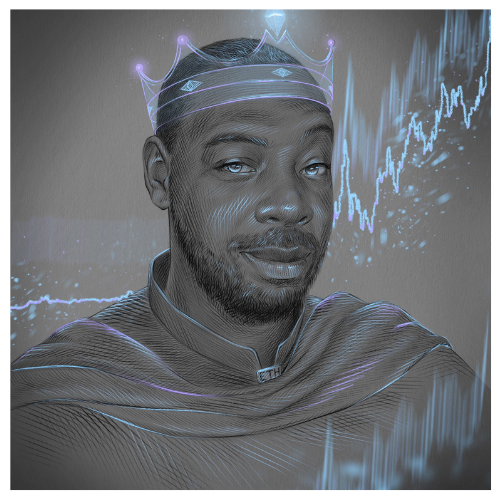

A Tale Of Iranian History
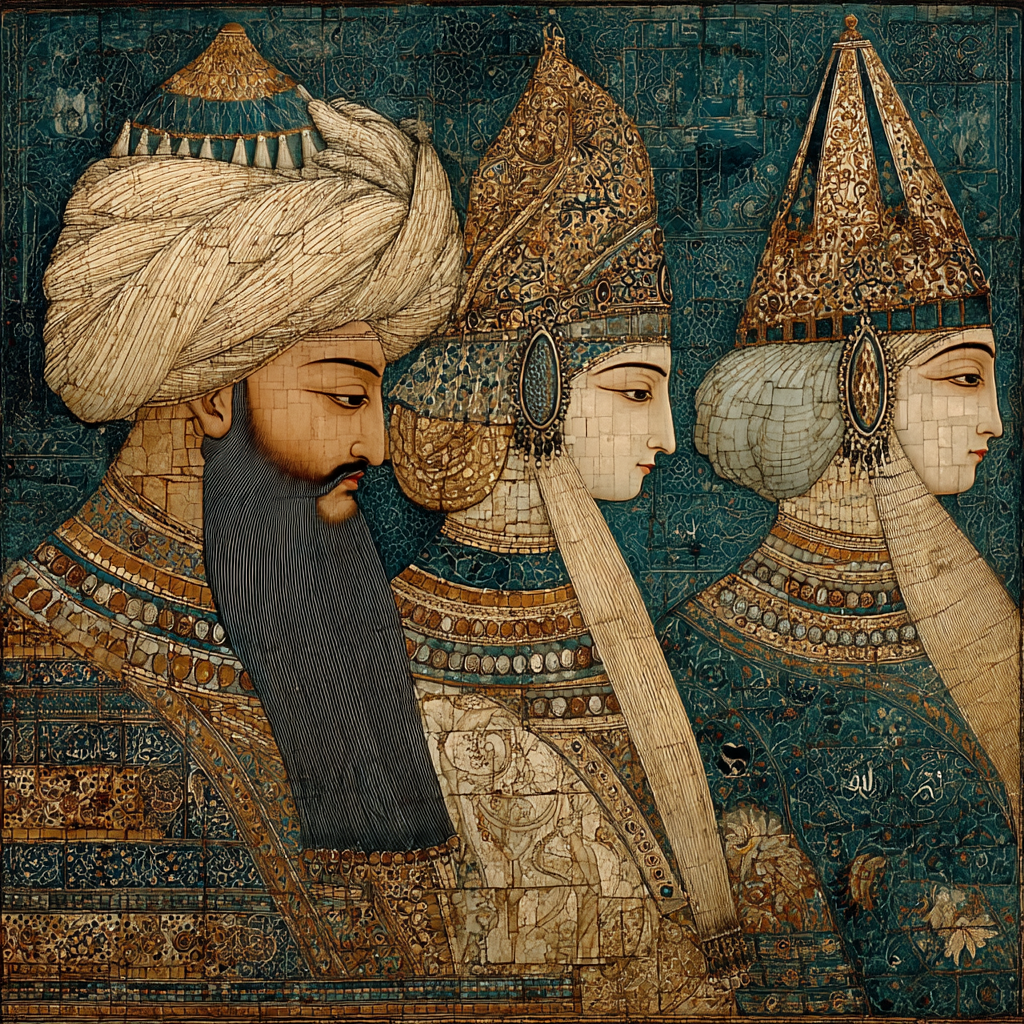
Greetings Warriors!
Iranian art is not decoration, it is memory, it is resistance. It is survival written in color, stone, poetry, and silence.
To understand Iranian art is to understand a people who have lived through empires, invasions, revolutions, sanctions, censorship, and exile—yet never stopped creating. When power tried to control speech, art became the language of truth. When voices were restricted, symbols learned how to speak.
This is the story of Iranian art—not as an aesthetic category, but as a living force woven into culture, identity, and the fight against oppression.
Check out my poem book!
A collection of my most deepest thoughts.
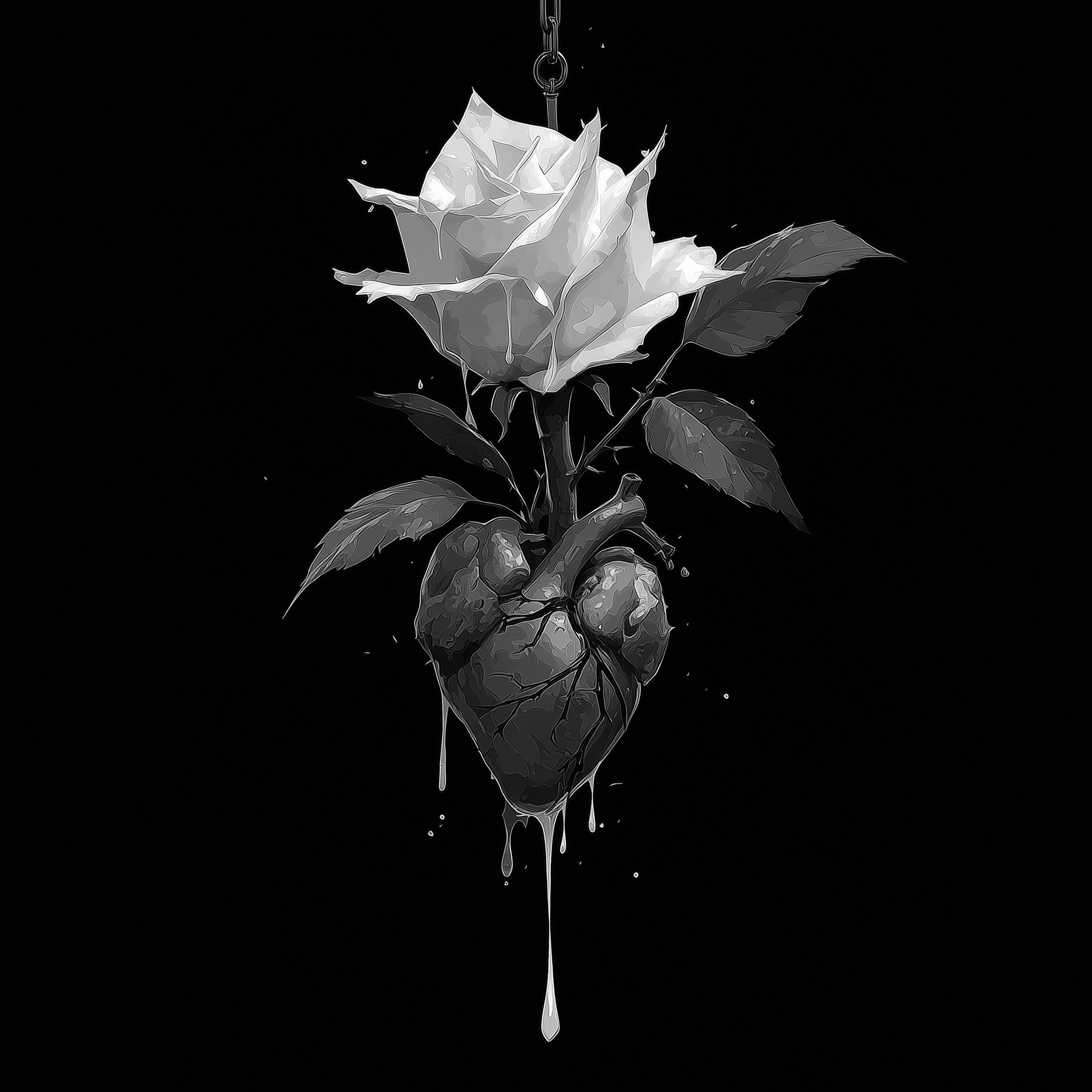
Art at the Birth of Civilization: Ancient Persia
Iranian art begins thousands of years before the modern state of Iran, in ancient Persia.
The Achaemenid Empire (c. 550–330 BCE) used art to communicate order, dignity, and cosmic balance. The stone reliefs at Persepolis show delegates from many cultures standing together—not conquered, but represented. Power was expressed through calm authority, not chaos. Even at its earliest stage, Iranian art was philosophical. It wasn’t about domination—it was about continuity.
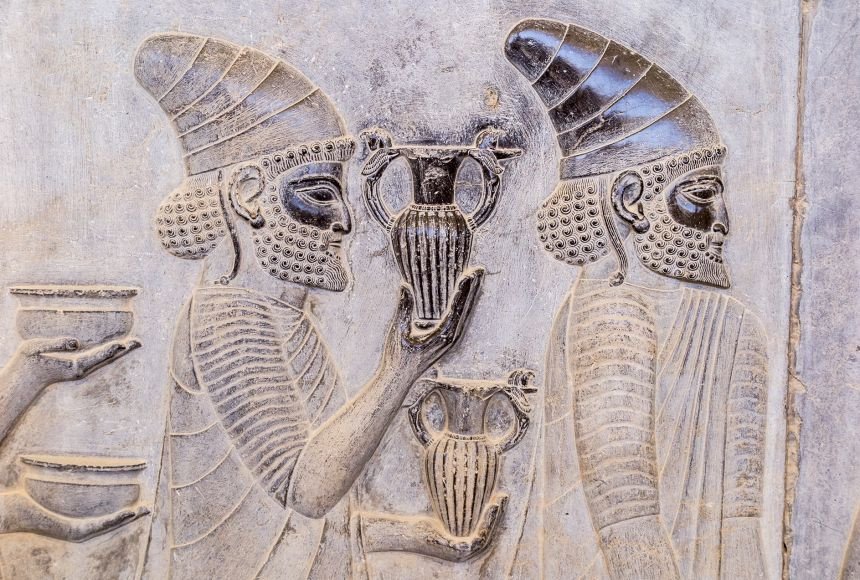
Achaemenid Empire Art
Poetry, Myth, and Identity
As empires rose and fell—Seleucid, Parthian, Sasanian—storytelling became essential. History, values, and identity were preserved through poetry and myth.
The Shahnameh (Book of Kings), written by Ferdowsi around 1000 CE, became one of the most important artistic achievements in Iranian history. It preserved Persian language and cultural identity at a time when it risked being erased.
Persian miniature paintings later brought these stories to life—layered, symbolic, timeless. These works didn’t aim to imitate reality; they aimed to protect memory.


Islamic Iran: Art Within Constraint
After the Islamic conquest of Persia in the 7th century, Iranian art did not disappear—it transformed. Figurative imagery was sometimes restricted, so artists elevated:
Calligraphy
Geometric design
Architecture
Poetry
Nastaliq calligraphy turned written language into visual rhythm. Mosques became masterpieces of symmetry and light. Poetry by Hafez, Rumi, and Saadi was memorized, sung, and shared—art embedded into daily life.
Iranian culture learned a critical lesson here. When expression is limited, creativity becomes sharper.
From Empire to Modern State
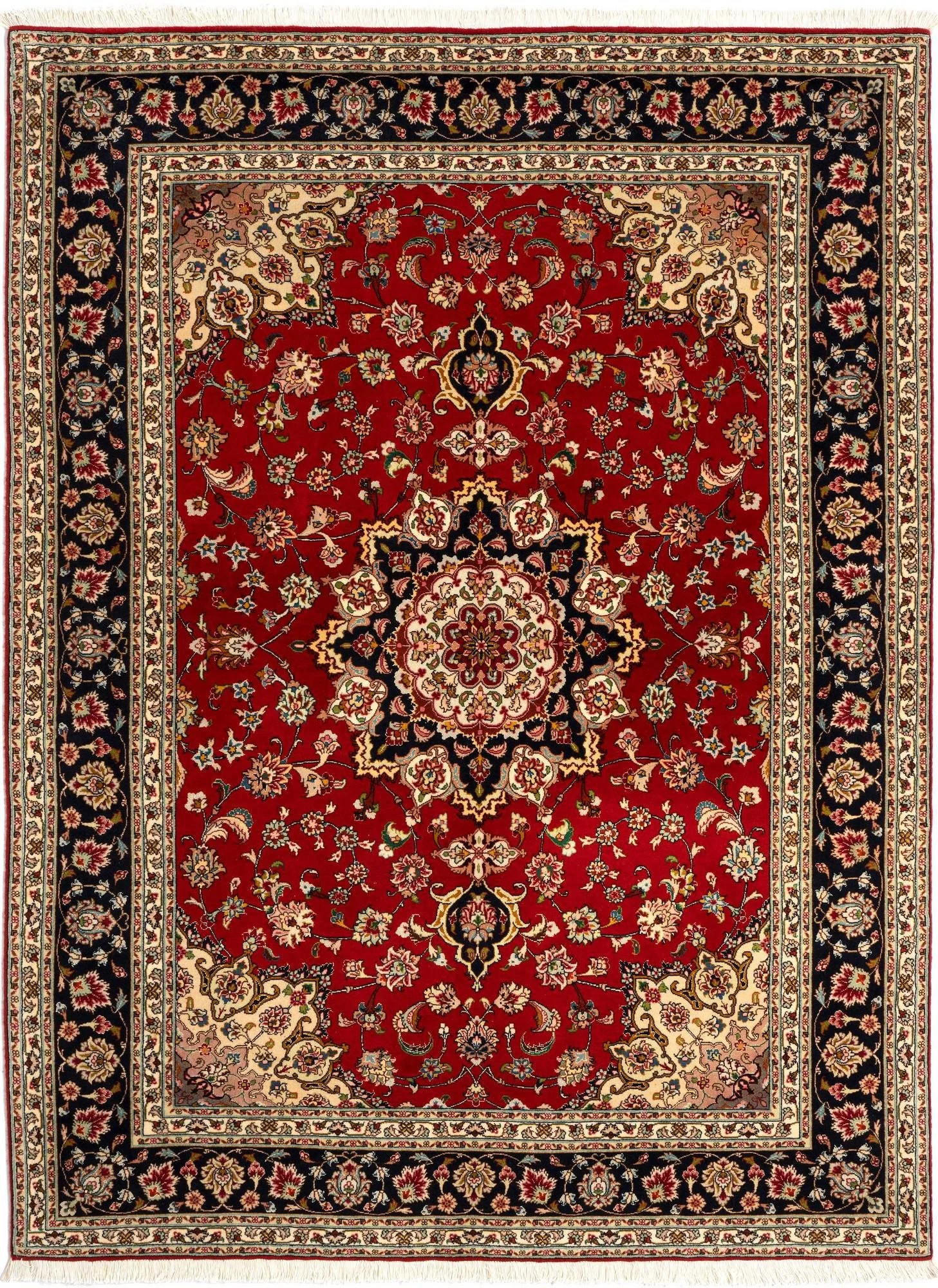
The Safavid Empire (1501–1736) turned Iran into a major cultural power. Carpets, manuscripts, architecture, and painting flourished. Persian art became globally admired—luxury, yes, but also spiritual and symbolic.
By the 19th and early 20th centuries, Iran faced colonial pressure, internal reform, and modernization. Artists began blending Western techniques with Persian tradition. Art became a space of negotiation between old and new, East and West.
BUY MY ART🖤

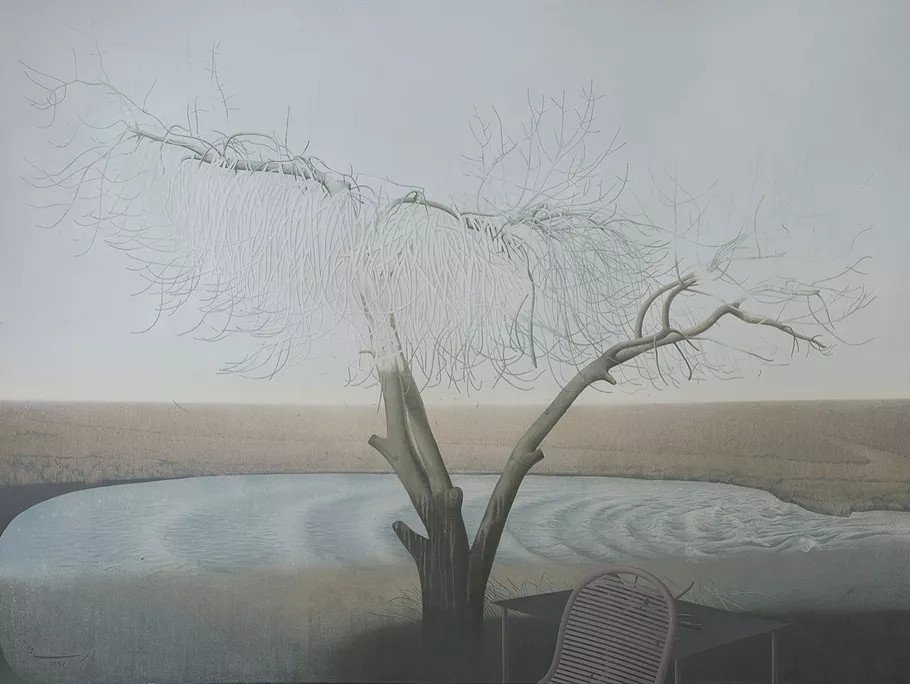
Meghdad Lorpour, Ardeshir’s Throne, 2018
1979 Revolution: Art Under Ideology
The Iranian Revolution changed everything. After 1979, art was heavily regulated. Some forms were banned. Others were controlled. Many artists fled. Those who stayed learned to speak in code.
This is where Iranian art became deeply political—not always loudly, but dangerously quietly.
Themes emerged:
Loss of freedom
Gender and control
Martyrdom and memory
Surveillance and silence
Identity under pressure
Artists learned how to say everything without saying anything.

Renaissance Man - Inspired by Leonardo Da Vinci

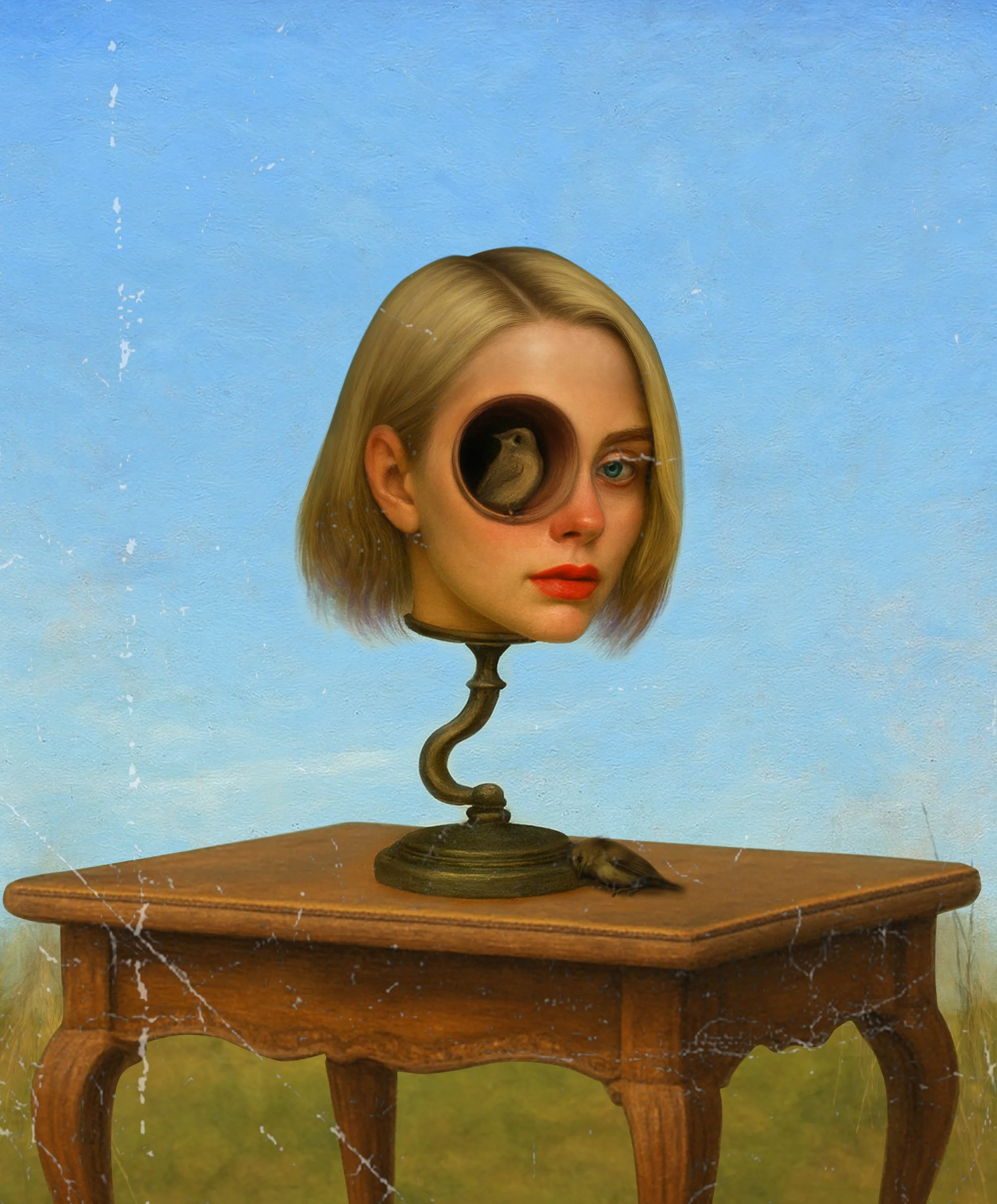
Vosoughi, I Am The Light - 2025
Contemporary Iranian Art: Resistance Through Beauty
Today, Iranian artists—inside Iran and across the diaspora—continue this tradition of coded resistance.
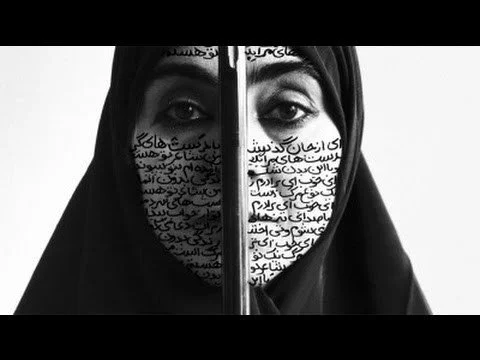
Artists like Shirin Neshat explore power, gender, and belonging through photography and film. Others use graffiti, digital art, performance, and underground exhibitions to push against imposed limits.
During recent protests, art has surfaced everywhere:
Murals
Songs
Posters
Online illustrations
Anonymous visual symbols
Art becomes evidence that the spirit is still awake.
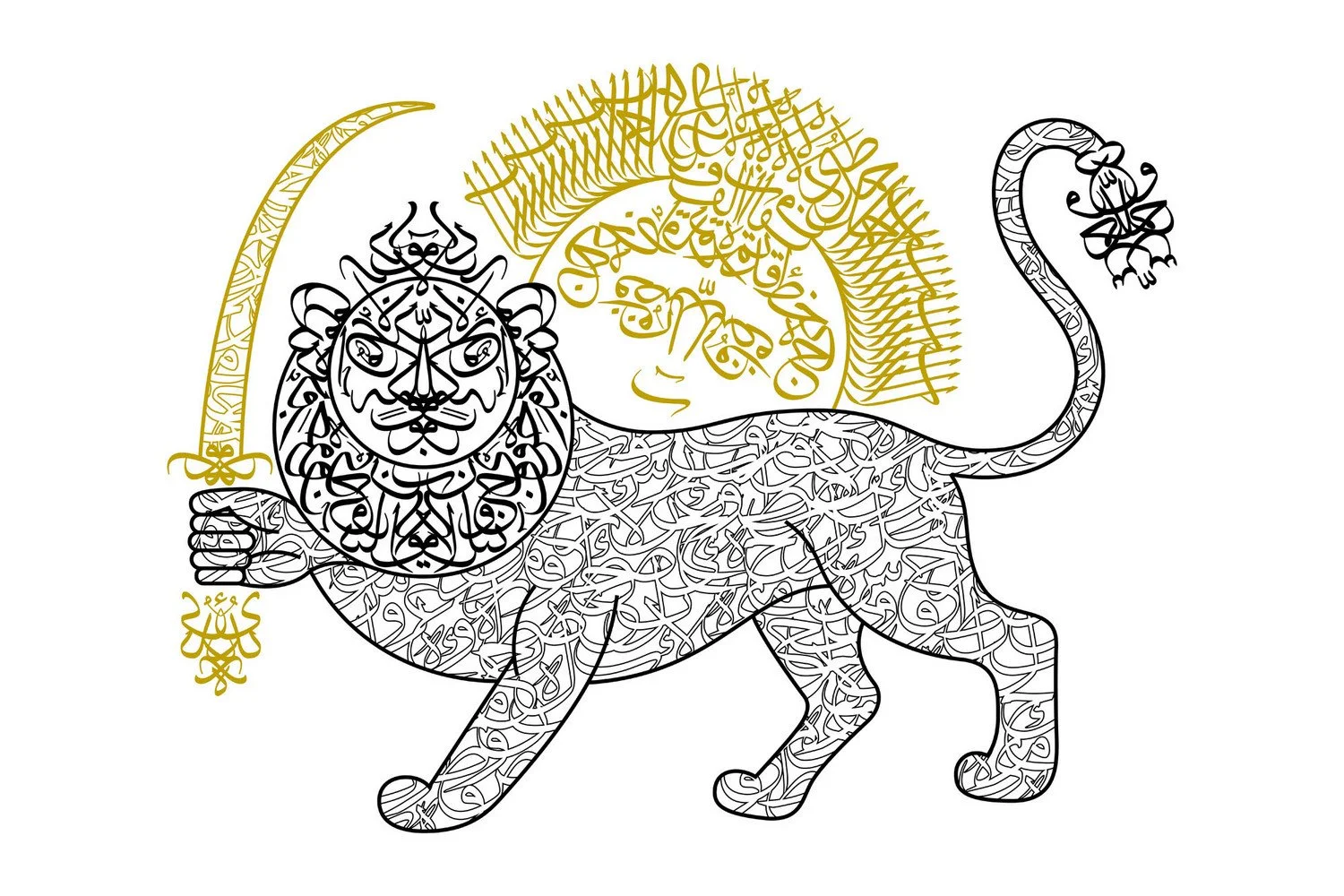
Kourosh Beigpour, Lion and Sun, 2022
A Timeline of Iranian History (Through Art)
Ancient Persia – Art as order and eternity
Islamic Era – Art as poetry, pattern, and devotion
Safavid Golden Age – Art as identity and refinement
Modernization (19th–20th c.) – Art as dialogue with the West
Post-1979 Revolution – Art as survival and coded resistance
21st Century – Art as protest, memory, and global voice
Every phase leaves a visual fingerprint.
Every era reshapes expression—but never silences it.
Why Iranian Art Is So Powerful
Iranian art feels different because it carries:
Thousands of years of continuity
A deep bond with poetry
Mastery of symbolism
Beauty forged under pressure
This is art created not just to be seen—but to endure.
It doesn’t beg for attention.
It waits for understanding.
Final Words, Warriors
Iranian art is a mirror held up to history—and a shield held up against oppression.
It reminds us that when systems fail people, people turn to creation. That when voices are controlled, beauty becomes rebellion. That culture, once embedded deeply enough, cannot be erased.
Iranian artists didn’t stop creating because it was dangerous. They created because it was necessary.
And that—more than any museum label or auction price—is what makes Iranian art immortal.