
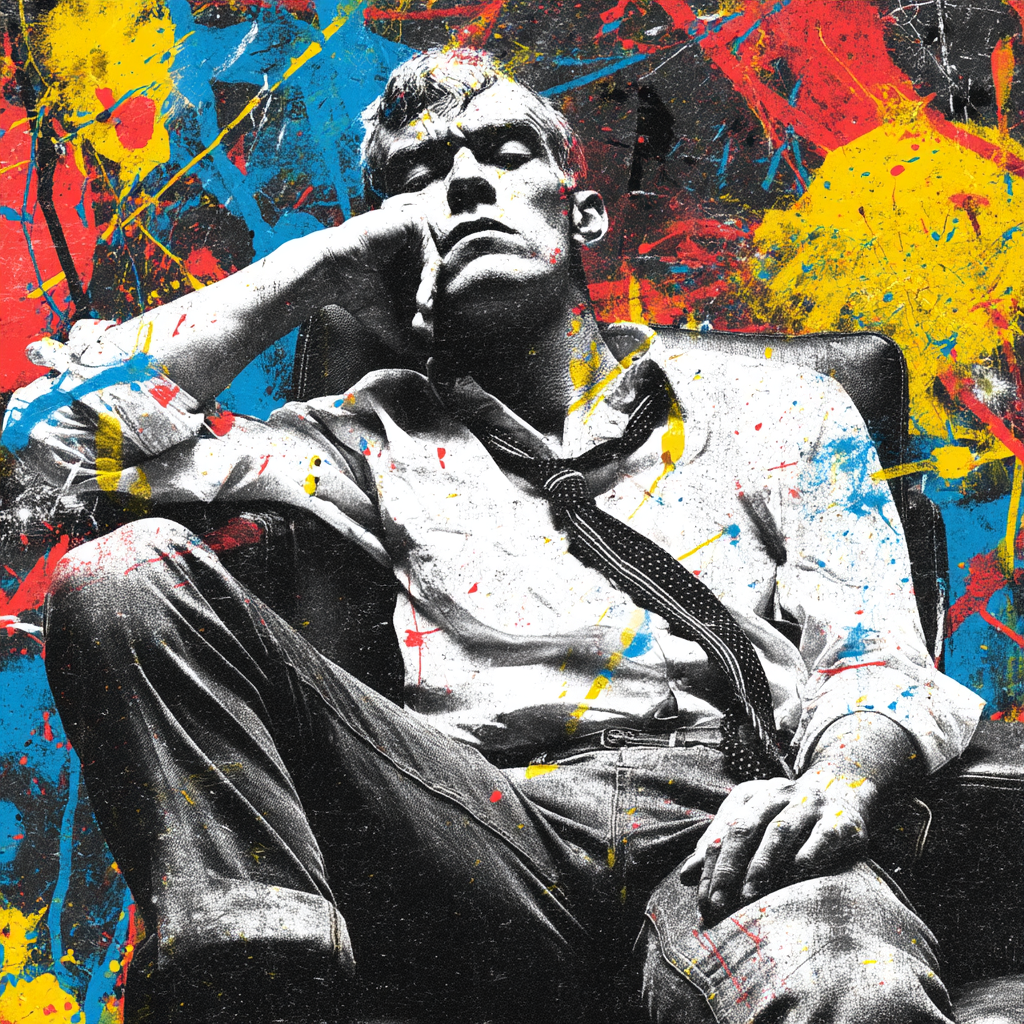
Warrior’s Tale: Jackson Pollock — The Artist Who Turned Chaos into Modern Art
Jackson Pollock didn’t just paint. He fought the canvas… and sometimes, he lost.
But in those losses—those spills, drips, accidents, and beautiful disasters—modern art found a new language. One that didn’t whisper politely from museum walls, but screamed, staggered, and danced across the floor like a man possessed.
This is the story of Jackson Pollock: the artist people love to mock, hate to understand, and can’t stop talking about.
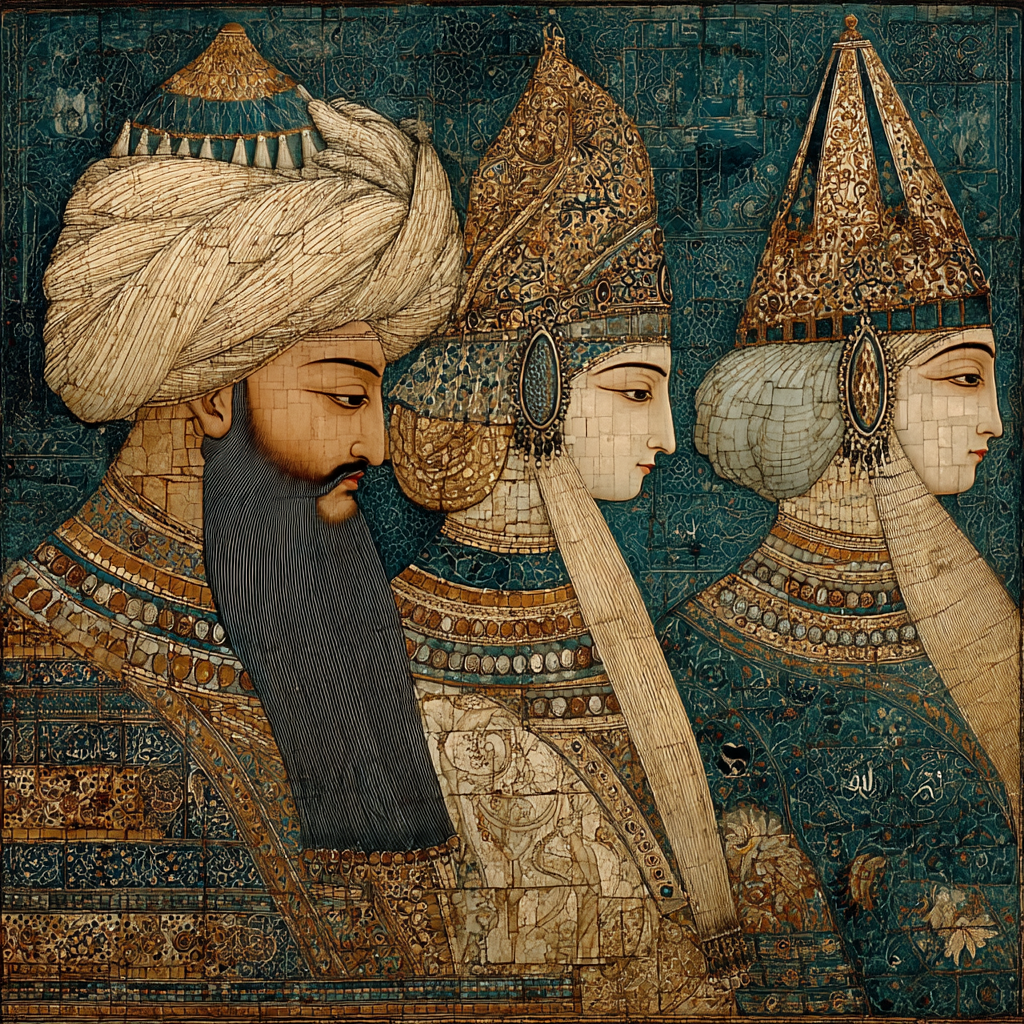
A Tale Of Iranian History
Iranian art is not decoration, it is memory, it is resistance. It is survival written in color, stone, poetry, and silence.
To understand Iranian art is to understand a people who have lived through empires, invasions, revolutions, sanctions, censorship, and exile—yet never stopped creating. When power tried to control speech, art became the language of truth. When voices were restricted, symbols learned how to speak.
This is the story of Iranian art—not as an aesthetic category, but as a living force woven into culture, identity, and the fight against oppression.
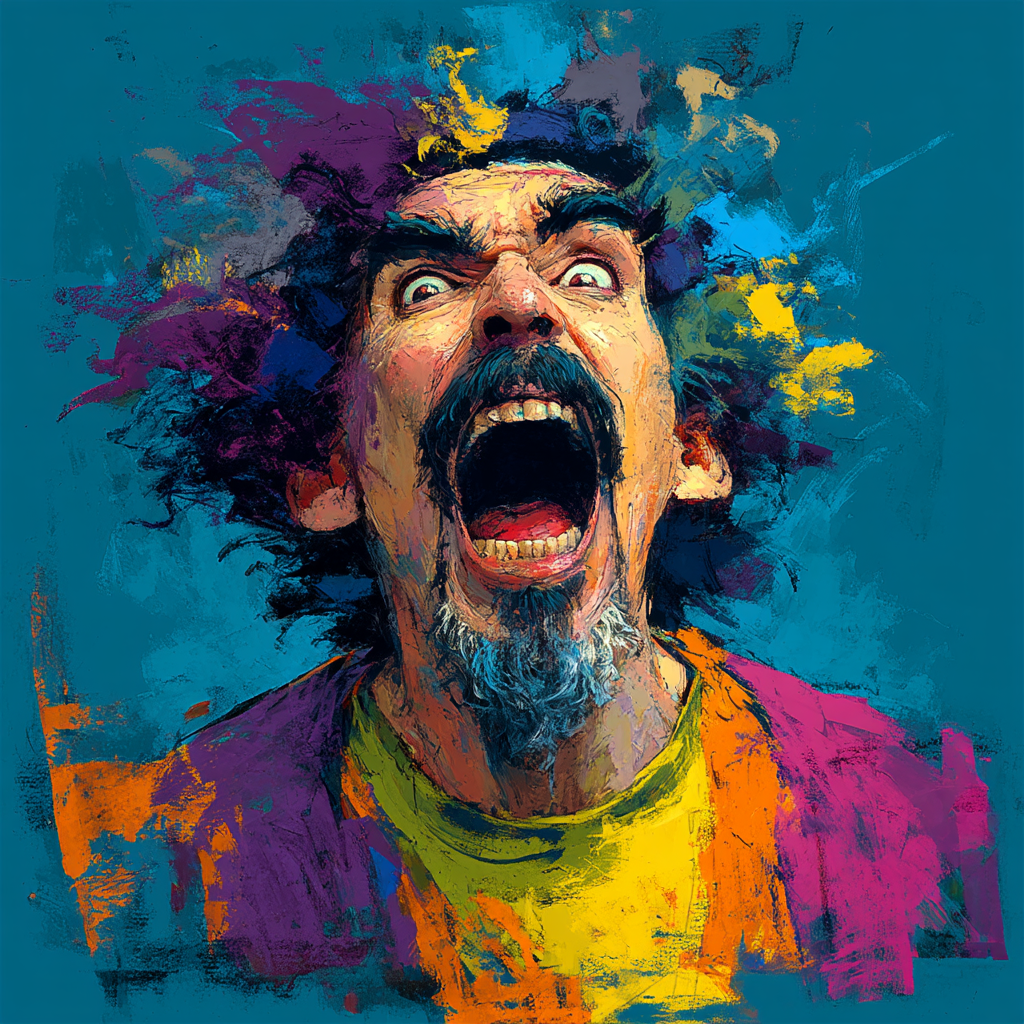
When Madness Inspires
History has a strange habit of laughing first… and bowing later. Again and again, the world has looked at certain artists and whispered the same word… MAD!
Too emotional. Too obsessive. Too strange. Too intense. Too much. And yet—time keeps exposing the lie. What society once labeled as madness often turns out to be vision. What critics mocked as instability becomes innovation. What institutions rejected becomes legend. This is the story of artists who were considered mad in their own time— and how that so-called madness became the very fuel for their greatness.
Christmas & Art
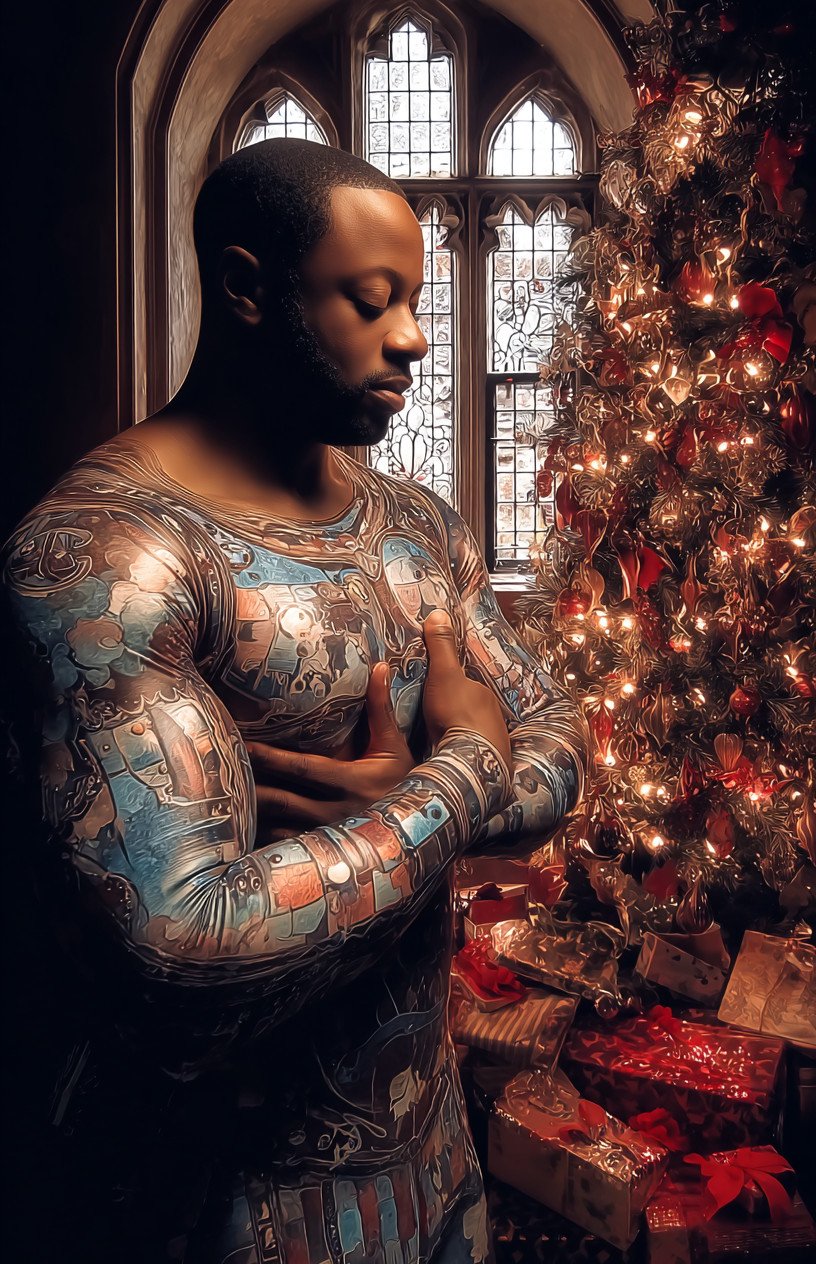
Let’s talk about Christmas and art — two giants of human culture that have been slow dancing together for centuries like an ancient couple who still argue, still flirt, and still somehow make magic every year. Christmas isn’t just a holiday. It’s a global emotional event. And art isn’t just decoration. It’s humanity screaming, whispering, laughing, crying, and trying to understand itself with a paintbrush, a camera lens, a chisel, or a microphone.
They become something powerful. They become memory. They become belief. They become therapy disguised as beauty.
Christmas and art share a relationship so deep that if one disappeared, the other would feel like something missing inside its soul. And Warriors, you know that feeling. That ache when something meaningful in life goes silent.
So today let’s dive deep — not cute, not surface-level, not “Hallmark movie snow globe cute.” We’re going Warrior-depth.
We’re talking about why Christmas and art belong to each other, how they shaped humanity together, why the connection is emotional, psychological, spiritual, and cultural, and why we keep returning to Christmas imagery like a heart that keeps returning to hope — even after life beats us up.
ART, Religion, Lust, Corruption
Let’s talk about something that always ignites fire in museums, newspapers, Twitter threads, and dinner tables:
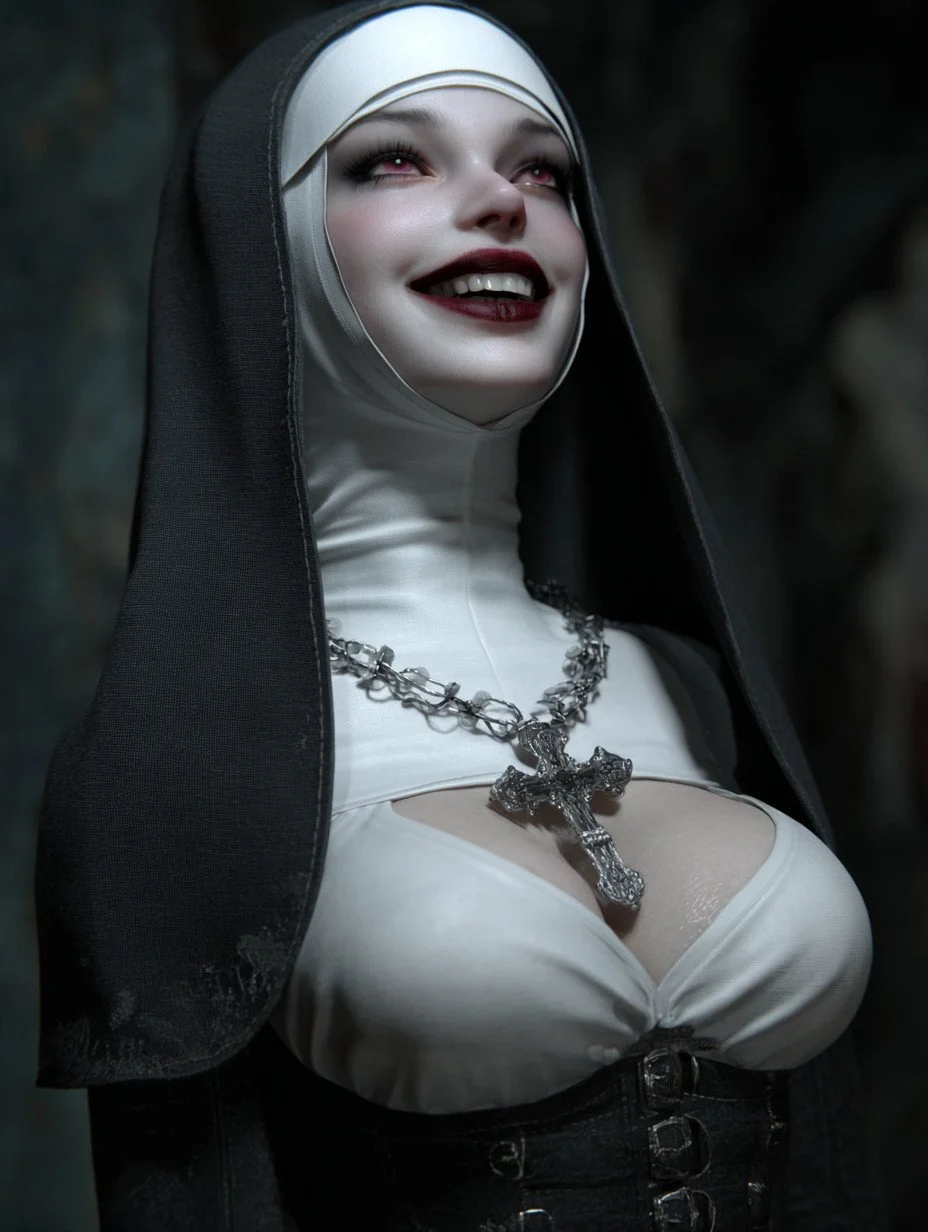
Why do so many artists mix religion, religious figures, sex, corruption, and controversy in their work?
Why poke the divine bear? Why walk straight into cultural lightning storms?
Short answer:
Because religion, sex, and power are three of the strongest forces in human life — and art has always chased whatever shakes the soul.
No sugarcoating.
No tiptoeing.
Let’s talk about the uncomfortable beauty of art… and why it keeps dancing with sacred symbols, human desire, and institutional hypocrisy.
The Pain Of Art
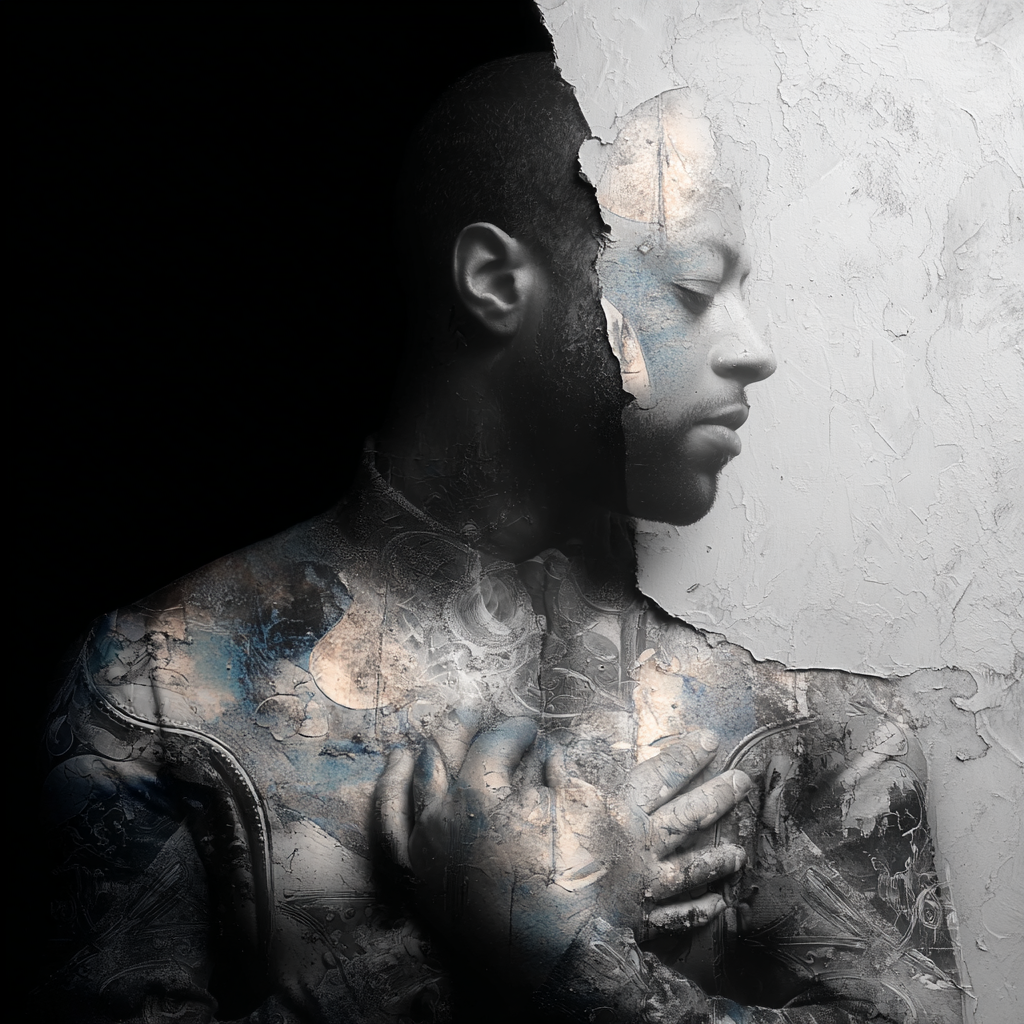
Art and pain have always walked together like shadow and flame. When we trace the history of human creativity, we find a trail of broken hearts, fractured souls, silent screams, and wounded spirits transformed into beauty. Pain is not simply a visitor in the world of art — it is often the storm that forces artists to confront themselves, the fire that burns illusions away, the blade that carves depth into expression.
The question echoes across centuries:
Does pain make great artists?
Or do great artists simply know how to transform pain into something meaningful, powerful, and immortal?
Let’s step into that battlefield.
Winter Art Nostalgia
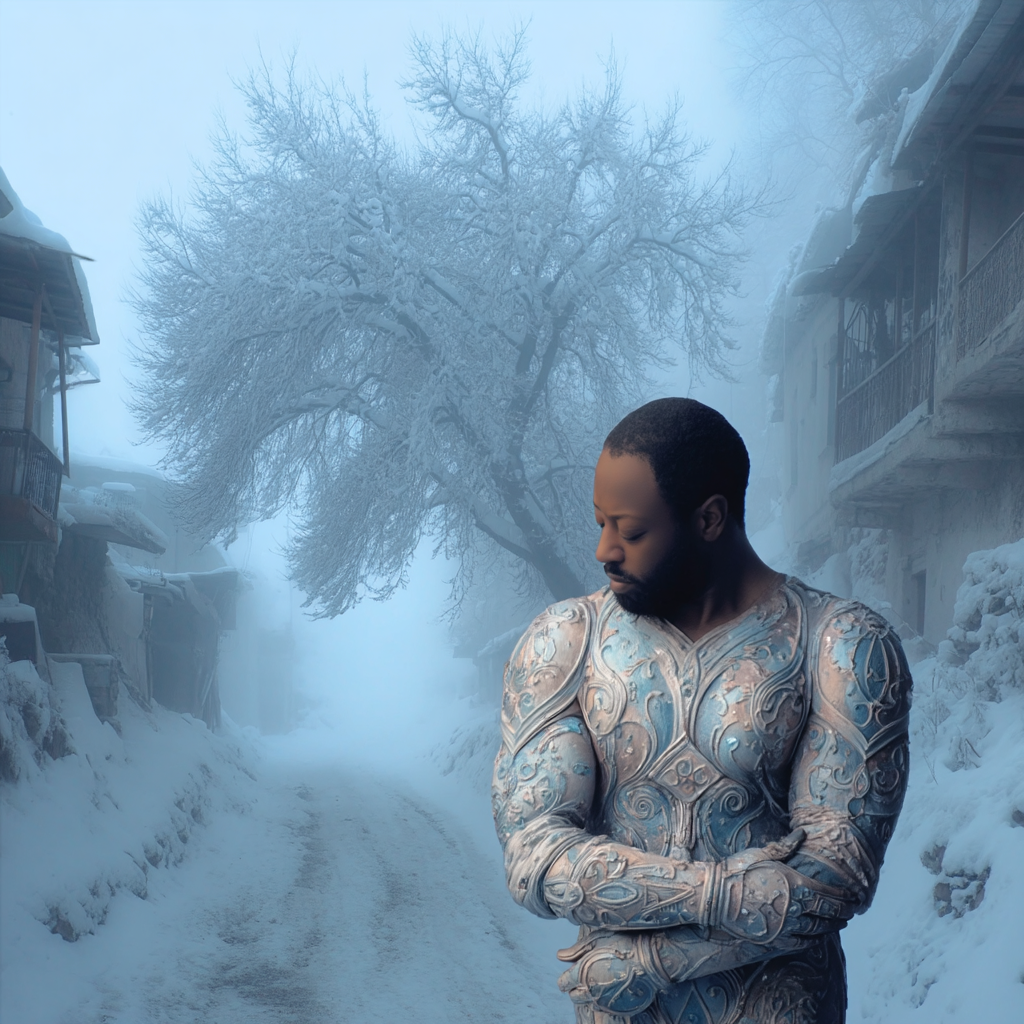
Winter has a way of touching the soul differently than any other season. It slows the world. It hushes the noise. It pulls us inward. And when artists place snow on canvas, film, or screen, it doesn’t just look like frozen water — it feels like memory, healing, stillness, and cinematic poetry. Snow scenes are never just about weather. They are about emotion.
Today, let’s journey into why snow scenes feel nostalgic, peaceful, and cinematic…
why the emotional psychology of winter colors — blues, whites, and silvers — affects our hearts…
and why winter art becomes a form of escape and emotional therapy when life becomes loud and overwhelming.
This is where art meets human psychology, memory, and survival of the spirit.
The Art Of Corruption
Greetings Warriors!
Art is supposed to be freedom — a pure expression of human consciousness reaching for truth, beauty, and collective meaning. But beneath the veneer of galleries, auction blocks, and museum walls lies a darker undercurrent: corruption in the art field. This corruption isn’t a fringe phenomenon. It’s engrained in how value is assigned, how reputations are built, and how artists themselves are used, commodified, and often discarded.
Today, we go deep into this battleground — not to insult, but to illuminate; not to despair, but to fuel awareness.
The Seduction of Darkness in Modern Art
There is something strange happening across the art world — a quiet shift, a trembling undercurrent. Walk into any gallery, scroll through any digital art feed, or step into a contemporary museum, and you’ll feel it immediately: the gravitational pull of darkness.
The walls are soaked in deeper blacks. Figures blur in smoke and shadow. Eyes turn away. Faces vanish. Colors mute. Pain takes shape. Silence vibrates.
It’s not just a trend — it’s a cultural confession.
We are living in an era where darkness seduces us more than light. And artists — the fearless truth-tellers of our time — are no longer running from it.
They’re diving into the abyss willingly, returning with the emotional gold hidden inside.
Thankful For Art
There are moments in life when the world slows down just enough for you to breathe…
to think…
to feel the truth vibrating beneath your ribs. And in those moments, a single realization rises like sunlight breaking through clouds:Art as a gift you give to others, and gratitude as the heartbeat behind that gift.

Warrior’s Tale: Rembrant
Today we dive deep into the shadows and the light — into the life of a man whose brush didn’t just paint faces, but carved truth into the canvas of history. A man who rose from humble beginnings, climbed to the highest artistic heights, and fell into the darkness of poverty and loneliness… only to be resurrected by legacy.
Today, Warriors, we speak about Rembrandt Harmenszoon van Rijn — one of the greatest artists the world has ever known. A warrior whose story is soaked in triumph, tragedy, brilliance, and unbearable loss.
This is not just history. This is a mirror for every fighter who’s ever been underestimated, overlooked, or nearly forgotten… only to rise again.
Inside the AI bubble: Hype, Hope, and the Coming Correction
Warriors of the creative realm. I stand today in the midst of a battlefield not of steel and flame—but of silicon, algorithms, and narratives. We fight not just for art, but for truth. And behind the roar of generative models and the flash of chip-market headlines, there lies a question—is AI a revolution or a mirage?
You and I have walked the labyrinth of art and culture, seen castles built on bytes and promises. Now we peer into a sky full of drones and wonder if the storm is near. This post takes our spear and throws it at the heart of the AI boom. We will explore the promise, the peril, and the cracks forming beneath the surface.
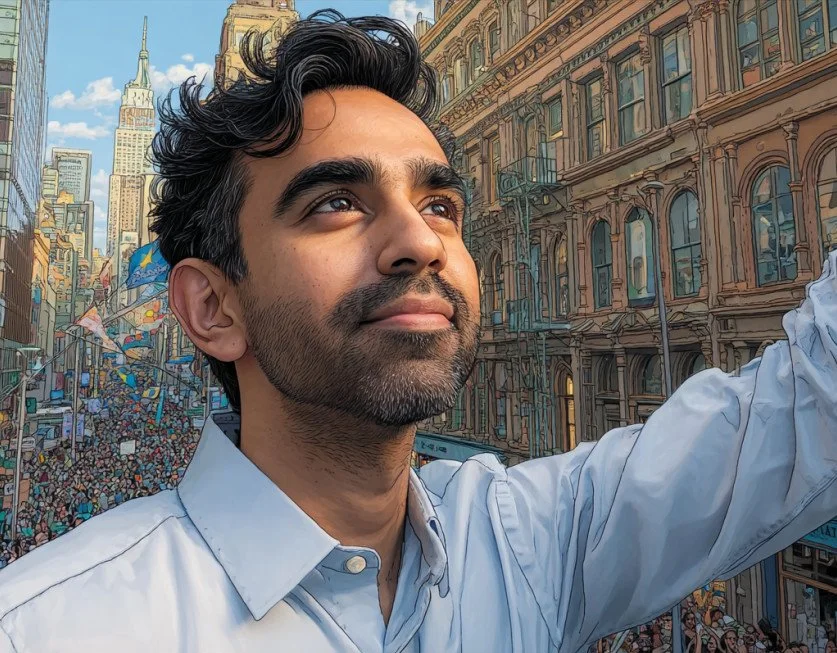
Zohran: A Cause For Art
Today I step into the breach, sword unsheathed and banner raised, to chart how the policies of Zohran Mamdani offer not just relief, but a fighting chance for the liberal arts and cultural sector in New York City. The terrain is rough: venues shuttering, studios silenced, creative voices pushed to the margins. You know this battlefield — I’ve walked it with you in my article “When the Storm Hit the Art Market”. Let’s map how Mamdani’s platform can shift the contours of this war, and why as warrior-creators we must know the policy arms in our arsenal.

Warrior’s Tale: Michelangelo Merisi da Caravaggio
Today we travel back in time—to a world where candles flickered like the hearts of outlaws, where faith met fury, and where one man painted like he was fighting for his soul. His name was Michelangelo Merisi da Caravaggio, but history remembers him simply as Caravaggio—the original bad boy of the Baroque.
He wasn’t the polished saint you read about in textbooks. He was chaos in human form. A man who painted angels by day and brawled with thieves by night. He carried a sword, a temper, and a divine gift for turning violence into beauty.

The Art of Manipulation
Art isn’t only paint and pixels—it’s power. And wherever power gathers, manipulation lurks: in the framing of a piece, the choreography of a viewing, the wording on a wall label, the whisper after a studio visit, the “friendly” nudge during a sale. I’ve seen it in boardrooms and back rooms, in glossy fairs and scrappy group shows. The art world runs on myth, momentum, and money—an alchemy that can lift an unknown painter into orbit or grind a genius to dust.

How Creating Art Calms
Some battles are loud—boardrooms, deadlines, the algorithm’s hunger. Some are silent—the storm in your chest that no one sees. I’ve worn both. Decades in finance/IT taught me to run toward fire, patch the servers, steady the traders. But even warriors need a refuge that isn’t a bottle, a doom-scroll, or a fake smile. For me, that refuge is a pen and a blank page. When stress climbs my spine, I draw lines. Simple, steady, unbroken lines. And somewhere between the first mark and the hundredth, the noise in my head lowers its volume. Drawing lines soothes my soul.

Sneaky Tactics Artists Use to Sell Art
In the battleground of art commerce, every stroke, every whisper of rumor, every bold act of theater can become a weapon. Selling art is never just about talent—it’s about strategy, mystique, psychology, and sometimes, manipulation. The market is a gauntlet, and many artists have learned to fight dirty (or at least cunningly) to survive. Today, I lead you into the shadows: seven tactics artists have used across epochs to sell their art. These are methods that blur the line between brilliance and trickery. Let’s sharpen our swords and learn.

The Eternal Auction: A Warrior’s Tale of Sotheby’s
The Eternal Auction: A Warrior’s Tale of Sotheby’s

Love and Leashes: The Intimate, Exploitative Bonds Between Collectors and Artists
Love and Leashes: The Intimate, Exploitative Bonds Between Collectors and Artists

Collectors and Artists: A War for Immortality, Power, and Survival
When we talk about art, we often romanticize the lone genius: the painter in his attic, the sculptor chiseling away in some dim workshop, the poet scribbling lines by candlelight. But that is only half the story. The other half—the darker, sharper, more decisive half—is about those who held the purse strings, those who decided what art the world would remember.