
When Madness Inspires
Greetings Warriors!
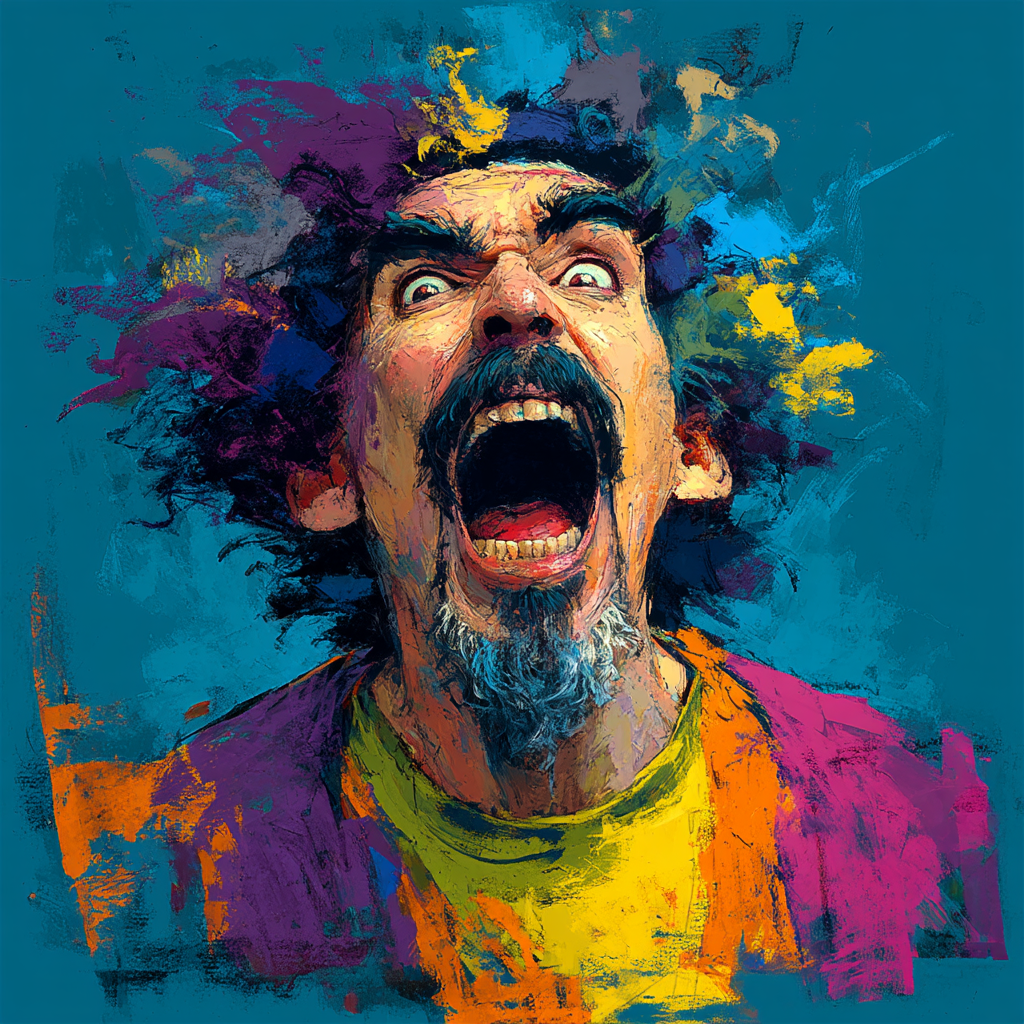
History has a strange habit of laughing first… and bowing later. Again and again, the world has looked at certain artists and whispered the same word… MAD!
Too emotional. Too obsessive. Too strange. Too intense. Too much. And yet—time keeps exposing the lie. What society once labeled as madness often turns out to be vision. What critics mocked as instability becomes innovation. What institutions rejected becomes legend. This is the story of artists who were considered mad in their own time— and how that so-called madness became the very fuel for their greatness.
Check out my poem book!
A collection of my most deepest thoughts.
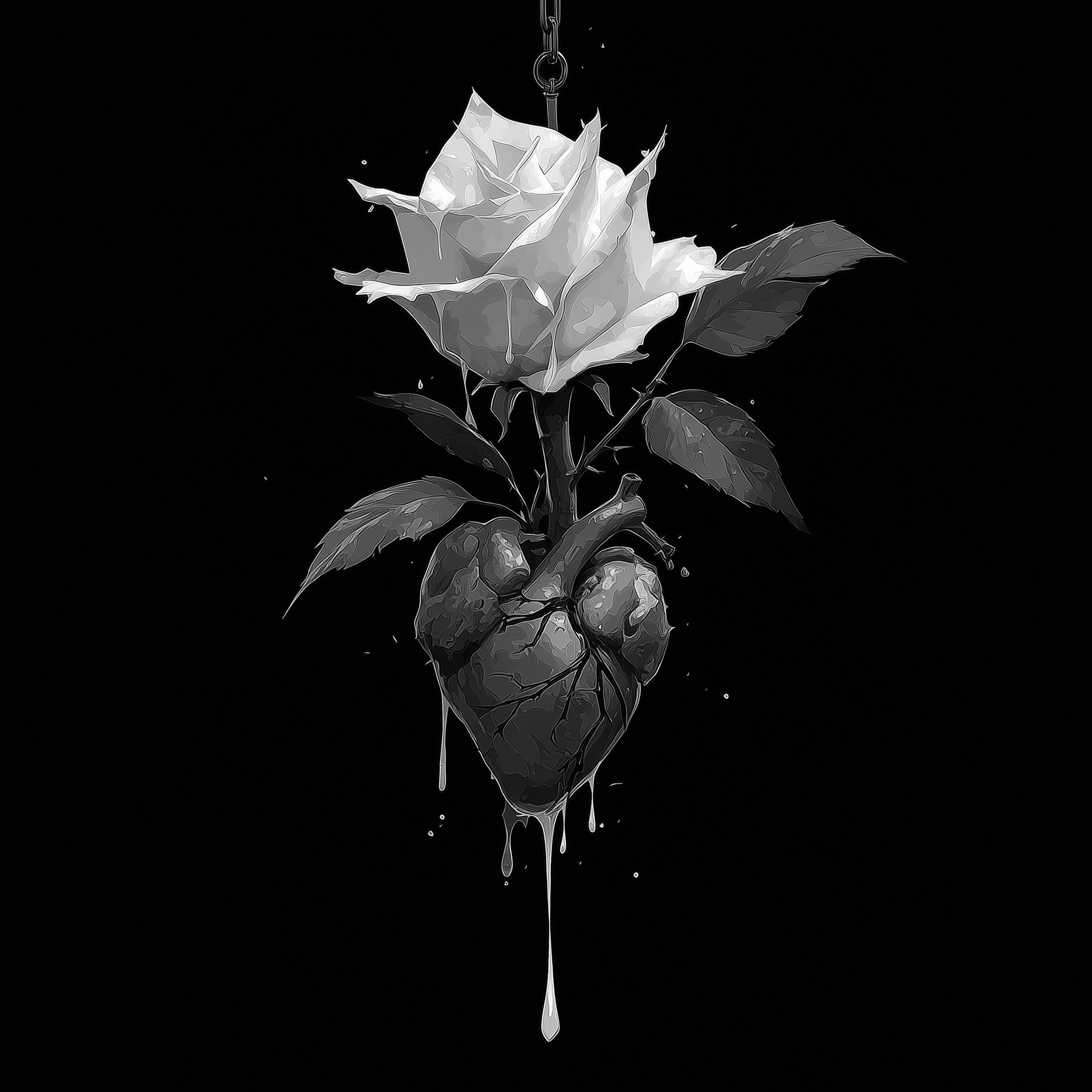
Madness vs. Genius: A Thin, Dangerous Line
The art world loves order. Categories. Labels. Movements. But true creators rarely fit neatly into any of them. “Madness” has historically been the name given to artists who:
Felt too deeply
Saw the world differently
Refused to conform
Created without permission
In reality, madness in art is often unfiltered honesty. It’s the refusal to numb yourself just to survive the room. And that refusal? That’s where greatness lives.

Vincent van Gogh — When Pain Became Color
Van Gogh is almost the default example people reach for when discussing the “mad artist.”
But the tragedy is that he wasn’t mad—he was overwhelmingly sensitive in an unforgiving world.
He painted emotion, not reality. His skies moved. His stars burned. His fields pulsed with life. At the time, critics didn’t understand why his brushstrokes were so aggressive, why his colors screamed instead of whispered. Today, those same qualities define genius.
Van Gogh sold almost nothing while alive. He died thinking he had failed. Yet now, his work anchors museums, shatters auction records, and teaches generations how emotion can live on canvas.
His so-called madness was simply truth without a safety filter.


Salvador Dalí — Weaponizing the Absurd
If Van Gogh suffered quietly, Salvador Dalí did the opposite. Dalí didn’t just embrace being called mad—he performed it. Melting clocks. Dream logic. Erotic fear. Paranoia as process. Too many, he was ridiculous. To others, deeply unsettling. But Dalí understood something most artists fear:
If you don’t shock the world, it won’t wake up.
His surreal imagery wasn’t nonsense—it was psychology. A visual language pulled directly from the subconscious. Dalí proved that madness could be strategic. That exaggeration could protect vulnerability. That absurdity could smuggle truth past society’s defenses. He didn’t wait to be understood. He forced the world to catch up.
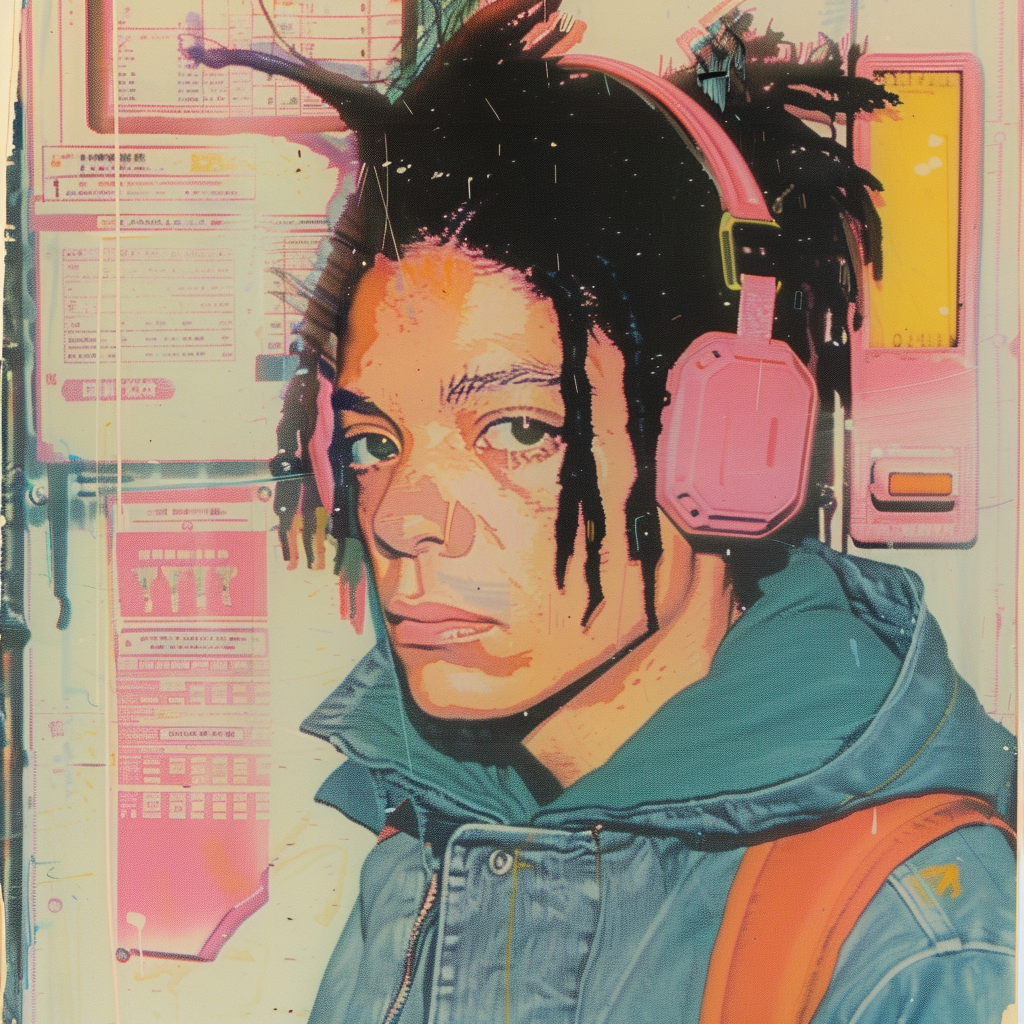
Jean-Michel Basquiat — Chaos as Cultural Truth
Basquiat didn’t paint to please galleries. He painted to survive. Coming out of New York’s raw street culture, Basquiat’s work looked chaotic, angry, unfinished—almost violent. Critics initially dismissed it as primitive, juvenile, or unstable. But beneath the chaos was precision. History. Racism. Power. Identity. Pain.
Basquiat’s mind moved faster than the institutions judging him. His paintings read like visual hip-hop—layered, coded, urgent. The same energy that made people uncomfortable is exactly why his work now defines an era.
His madness wasn’t disorder. It was too much truth arriving too fast.
BUY MY ART🖤

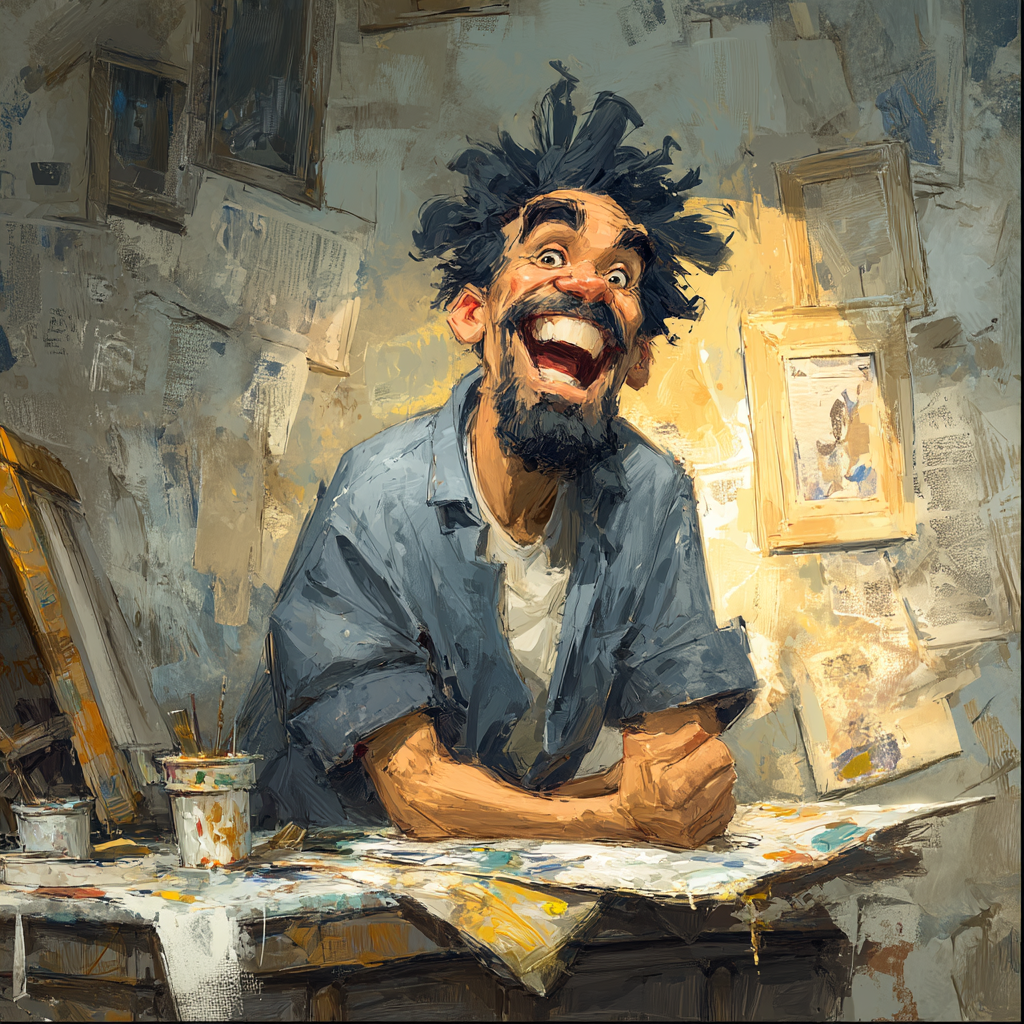
Why Society Always Gets It Wrong First
Here’s the uncomfortable truth, Warriors: Society doesn’t reject madness—it rejects disruption.
Artists labeled mad are usually the ones who:
Threaten tradition
Break visual rules
Expose uncomfortable truths
Refuse to sanitize emotion
The art world, like every institution, prefers innovation after it’s been proven safe. That’s why recognition often arrives late. Sometimes painfully late.

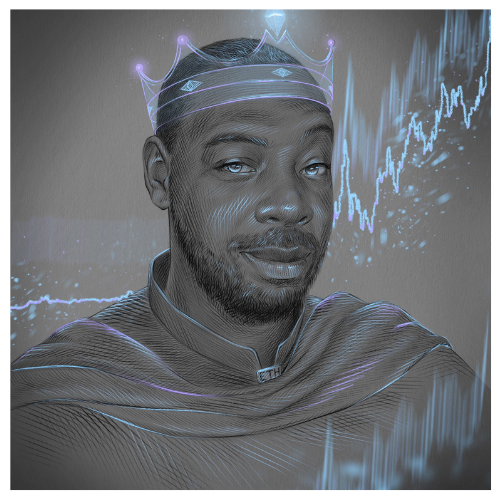
Renaissance Man - Inspired by Leonardo Da Vinci

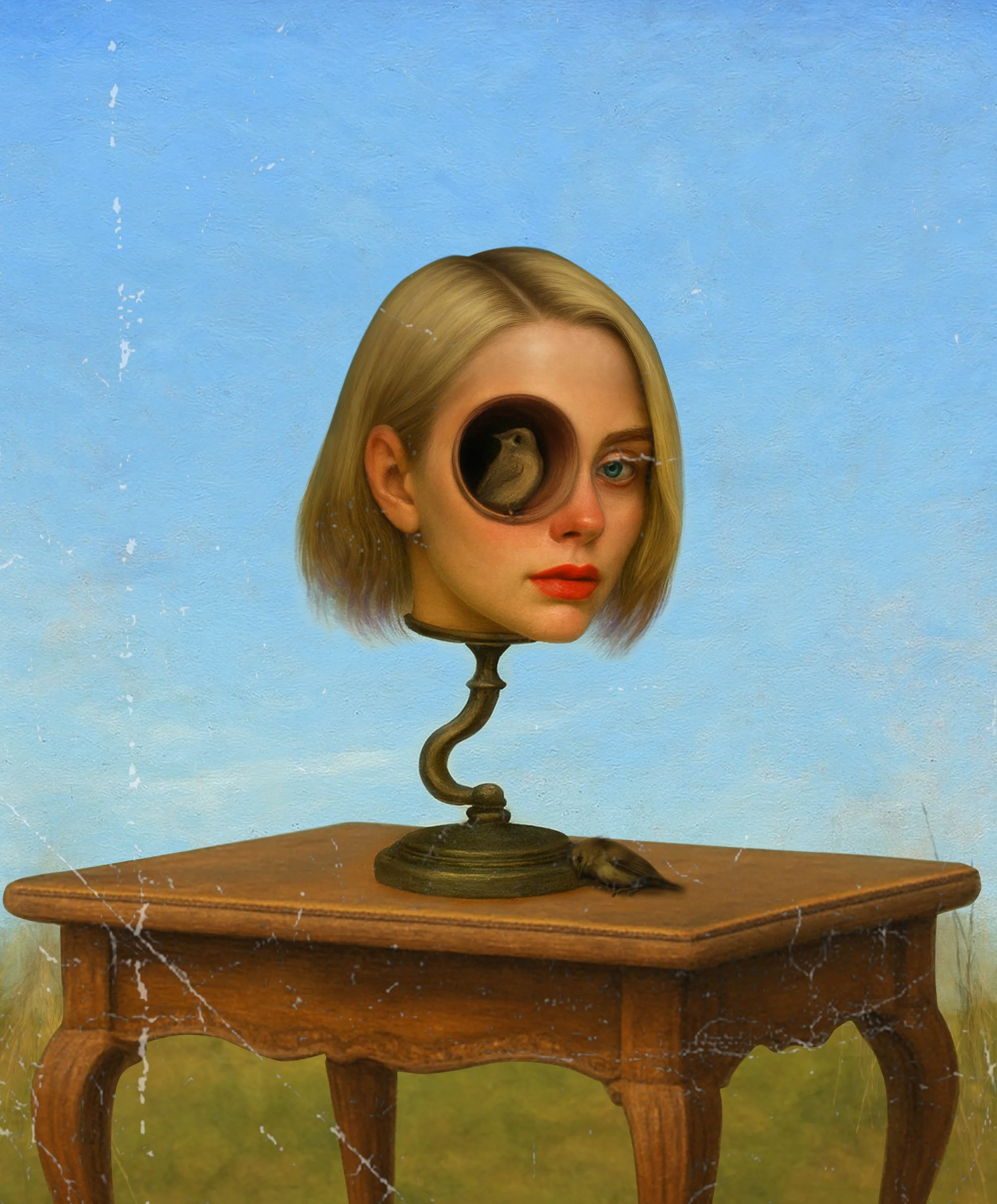
Vosoughi, I Am The Light - 2025
Madness as Creative Fuel
Let’s be clear, this isn’t romanticizing suffering. Pain doesn’t make you great. Instability doesn’t guarantee genius. But intensity—when channeled—becomes power.
Madness, in its creative form, is:
Obsession over comfort
Vision over approval
Expression over acceptance
It’s the willingness to go all in when the world tells you to calm down. And that willingness? That’s rare.
The Price of Seeing Too Much
Many of these artists paid dearly for their gift; isolation, addiction, poverty, misunderstanding. But their work survived them. And in surviving, it told the truth they couldn’t explain in words. History didn’t heal them—but it vindicated them.
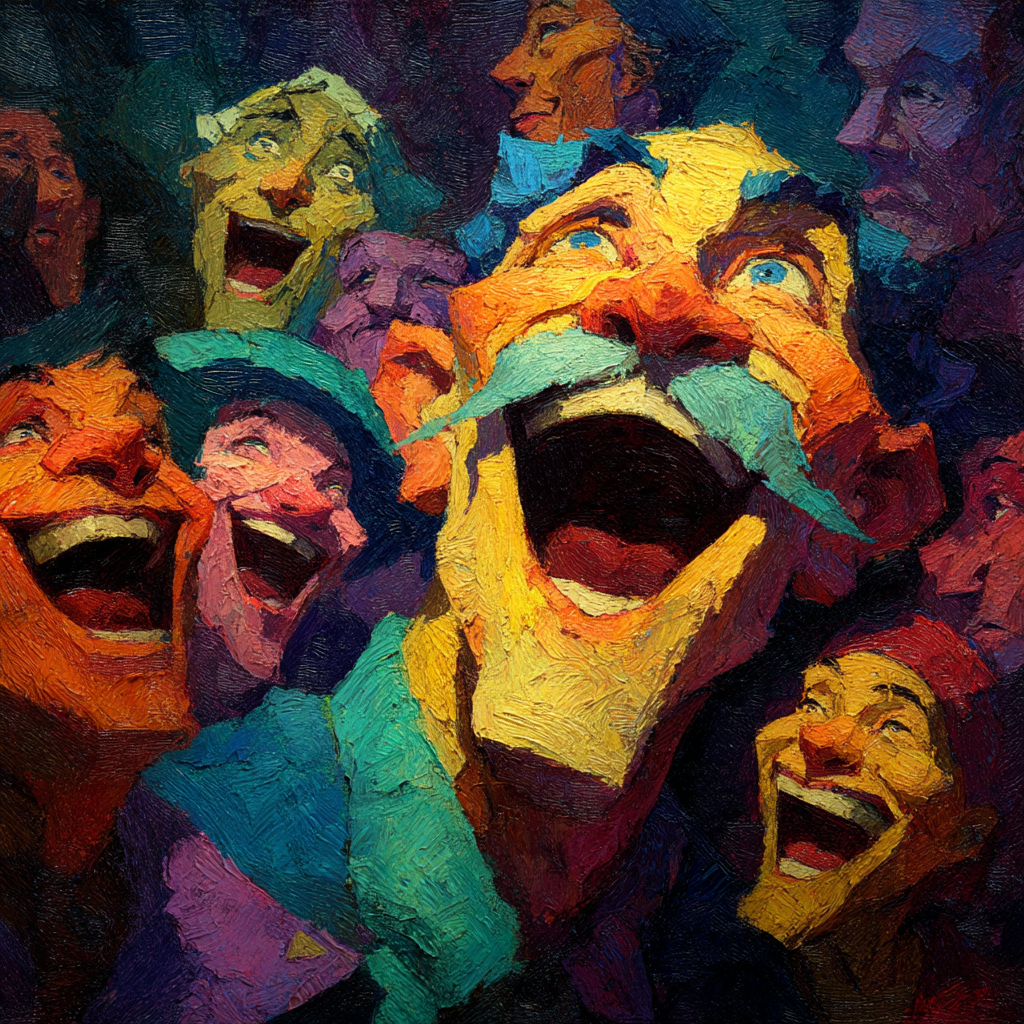
What This Means for Artists Today
If you’re creating something that makes people uneasy… If you’re told to tone it down… If your work doesn’t fit clean categories… Good.
That discomfort is often the first sign you’re touching something real. The same forces that dismissed Van Gogh, Dalí, and Basquiat are still alive today—just wearing new suits, new platforms, new algorithms.
Madness hasn’t disappeared. It’s just been rebranded as “too risky.”
Final Word, Warriors
Let this be your reminder: Let your madness be the inspiration for your success.
Not the kind that destroys you—but the kind that refuses to lie.
Because history doesn’t remember the artists who played it safe.
It remembers the ones who dared to see differently—and paid the price to show us.
Stand firm.
Create boldly.
And if they call you mad…
You’re probably early.