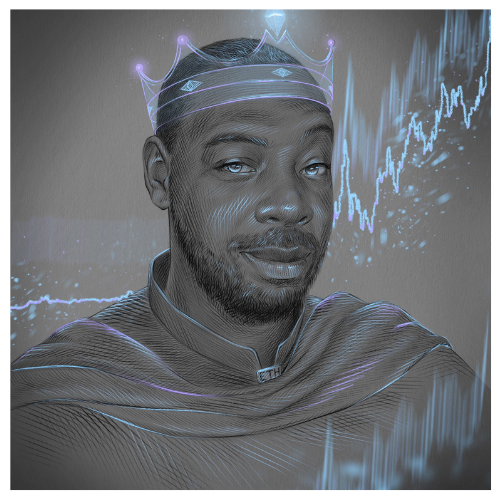

The Seduction of Darkness in Modern Art
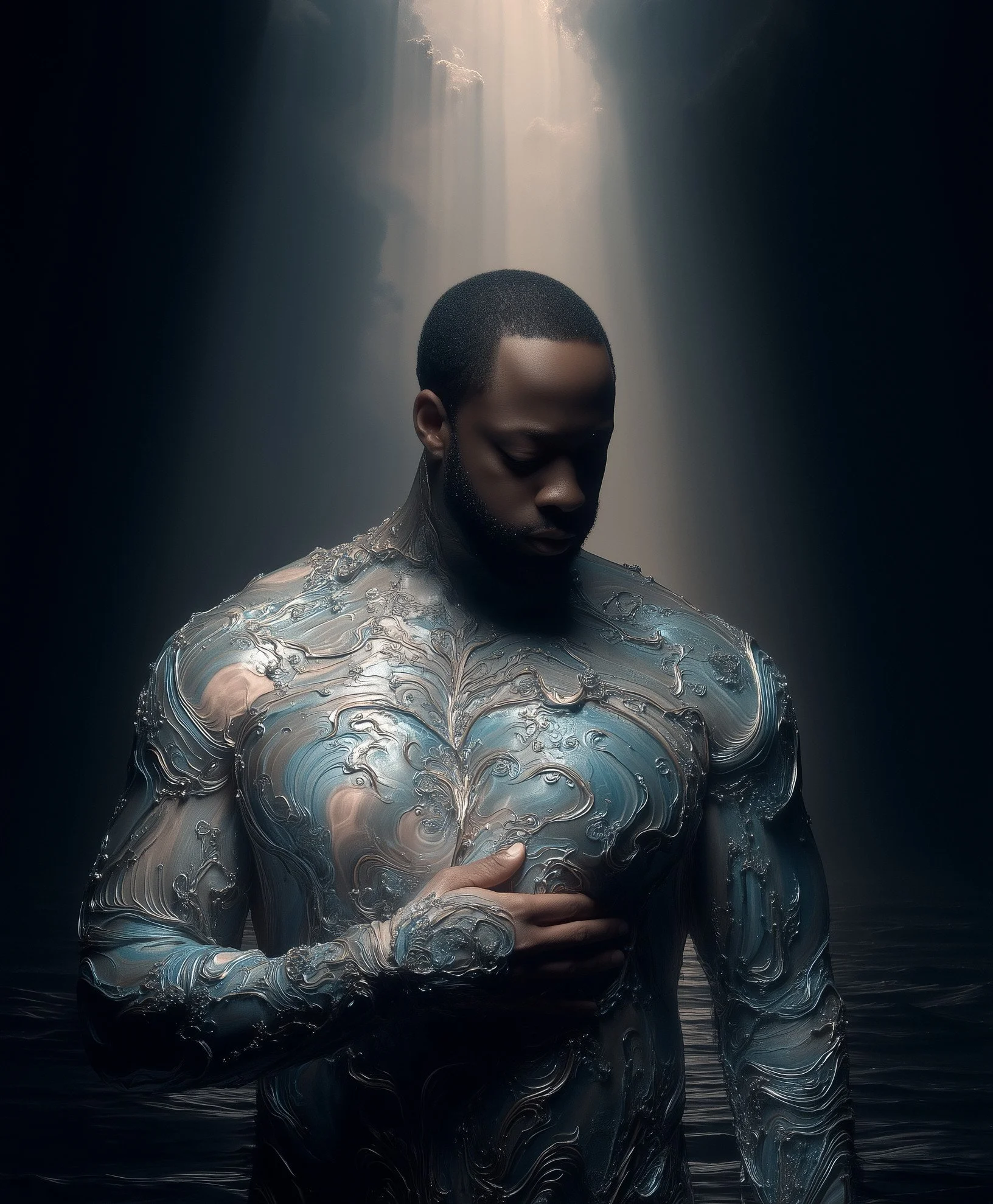
Why the Shadows Pull Us In
Greetings Warriors!
There is something strange happening across the art world — a quiet shift, a trembling undercurrent. Walk into any gallery, scroll through any digital art feed, or step into a contemporary museum, and you’ll feel it immediately: the gravitational pull of darkness.
The walls are soaked in deeper blacks. Figures blur in smoke and shadow. Eyes turn away. Faces vanish. Colors mute. Pain takes shape. Silence vibrates.
It’s not just a trend — it’s a cultural confession.
We are living in an era where darkness seduces us more than light. And artists — the fearless truth-tellers of our time — are no longer running from it.
They’re diving into the abyss willingly, returning with the emotional gold hidden inside.
But why?
Why, in a world that claims to crave positivity and peace, are we so magnetically drawn to the void?
Let’s go deeper, Warriors.
Let’s step into the shadows and unpack this phenomenon — not with fear, but with understanding.
Because sometimes, the dark is the only teacher we have left.
The Historical Fear of the Dark — and Why We No Longer Fear It
Darkness in art isn’t new. Caravaggio bathed his saints in shadow. Goya painted nightmares. Edvard Munch carved anguish into the canvas. Artists have always danced with darkness — but cautiously, reverently.
Darkness used to symbolize the unknown, the forbidden, the spiritual edge of sanity. But today, darkness feels like home. Not because we worship it, but because we’ve lived through enough to understand it.
Pandemics, wars, social collapse, economic storms, identity crises, loneliness, betrayal and mental burnout. Humanity has been wading through shadow after shadow.
So when modern artists paint darkness, photograph it, sculpt it, animate it — they aren’t invoking fear. They’re holding up a mirror.
Modern darkness says: “This is the truth you tried to hide. This is the truth you refused to face. And yet, here it is — beautiful in its honesty.”
We are no longer afraid of the dark. We are fascinated by it.


The Psychological Pull — Why Darkness Speaks Louder Than Light
Humans are not cured by pretending everything is fine. We heal only when we acknowledge the storm inside. This is why modern audiences connect more with shadowy, melancholic, or eerie imagery. It’s not rebellion — it’s recognition.
Dark art gives us four things light never could:
1. Permission to feel
Most of culture gaslights us into positive vibes only. Dark art whispers: “Feel everything.”
2. Reflection of internal struggle
Shadowy art taps into our subconscious — the wounds we hide even from ourselves.
3. Emotional safety
Ironically, darkness in art becomes a safe container. We can face despair without drowning in it.
4. Aesthetic truth
Light is beautiful. But darkness is honest. And honesty is the new luxury in a world obsessed with filters, façades, and performance.
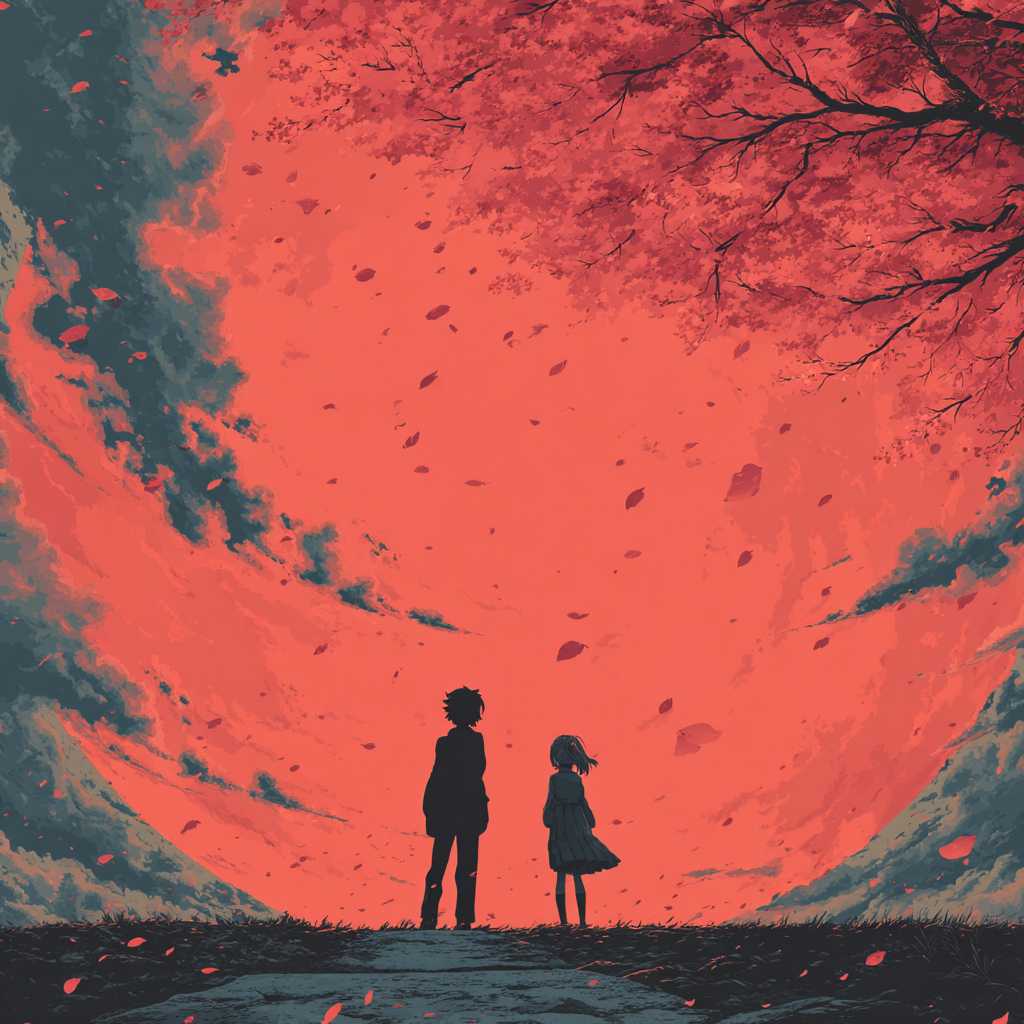
Darkness as Aesthetic | The Rise of the Visual Underworld
Scroll through Instagram art pages, contemporary shows, or digital galleries, and you’ll notice:
Muted palettes
High contrast lighting
Fog, smoke, mirrors
Distorted human forms
Surreal environments
Themes of alienation and desire
Abandoned cities, lonely figures, cosmic voids
This isn’t accidental. It’s the visual language of a generation learning to sit with its emotions.
Darkness has become a cinematic mood, a fashion statement, a cultural timestamp.
We crave it because it reflects the emotional landscapes within us — the ones we don’t show at work, at dinner, on social media.
Even AI art reflects this shift. People prompt darkness because they’re searching for meaning — not perfection.
Darkness feels real.
And real is rare.
BUY MY ART🖤


Paul Durand-Ruel
The Warrior’s Shadow — Confronting the Parts of Ourselves We Hide
Every Warrior carries a shadow. Not the weak part. Not the broken part. The unspoken part. The shadow is the truth we had to bury in order to survive. The heartbreak, the trauma, the loneliness, the fear, the disappointment, the rage.
Modern art is now giving the shadow a voice. When we see a painting drenched in black, a figure disappearing into mist, a sculpture twisted in pain — we recognize our own story.
Dark art says: “You are not alone. Someone else has survived the same storm.”
That connection is powerful. Transformative. Redeeming. Art becomes therapy. Shadow becomes teacher. Darkness becomes medicine.
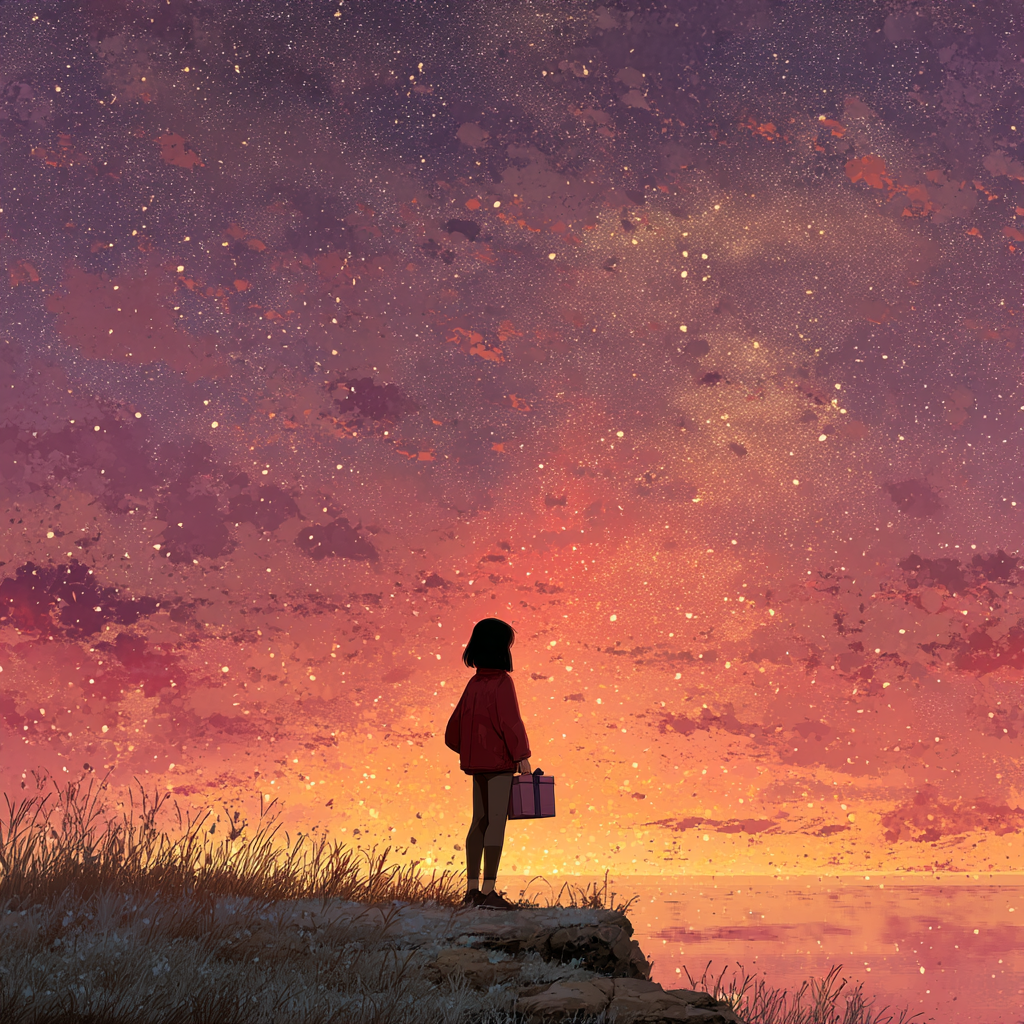
The Market Responds — Why Darkness Is Selling
Collectors are buying darker works at a higher rate than ever. Auction prices for emotionally complex pieces rise. Big institutions now lean toward deeper, heavier exhibitions.
Why? Because darkness sells truth, and truth is a luxury in a world drowning in facades.
Art advisors report that collectors want:
Authenticity over decoration
Emotion over polish
Narrative over aesthetic fluff
Dark art carries narrative. It holds weight. It leaves an impact.
This rise mirrors the same reality I’ve written about in past articles — especially in When the Storm Hit the Art Market. The world is shifting from hollow spectacle to meaningful depth.
And darkness, ironically, has become the new form of enlightenment.

Renaissance Man - Inspired by Leonardo Da Vinci
Final Reflections — The Beauty Hidden in Shadow
Warriors, here is the truth: We do not seek darkness because we are broken. We seek darkness because we are healing.
Art has always followed human evolution — and right now, humanity is searching for a way to understand itself. The light alone can’t show us that.
We need the contrast.
We need the shadows.
We need the honesty of black and gray tones to truly appreciate the gold.
Darkness seduces us not because it destroys, but because it reveals.
Darkness teaches.
Darkness transforms.
Darkness rebirths.
And as Warriors — as creators, thinkers, and survivors — we don’t run from the dark. We walk into it. We learn from it. And we rise out of it glowing.
Because every shadow is a story waiting for its flame. And every artist who embraces darkness… is already holding a torch.