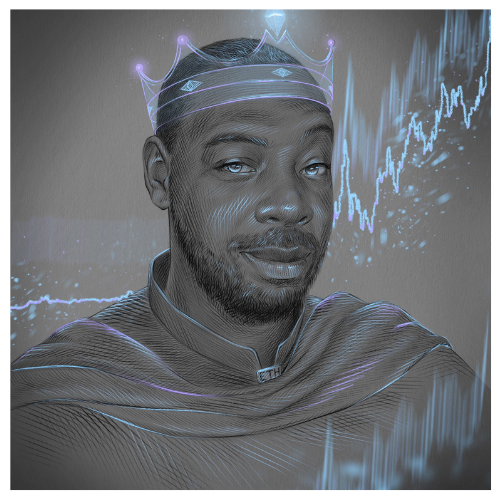

The Art Of Corruption
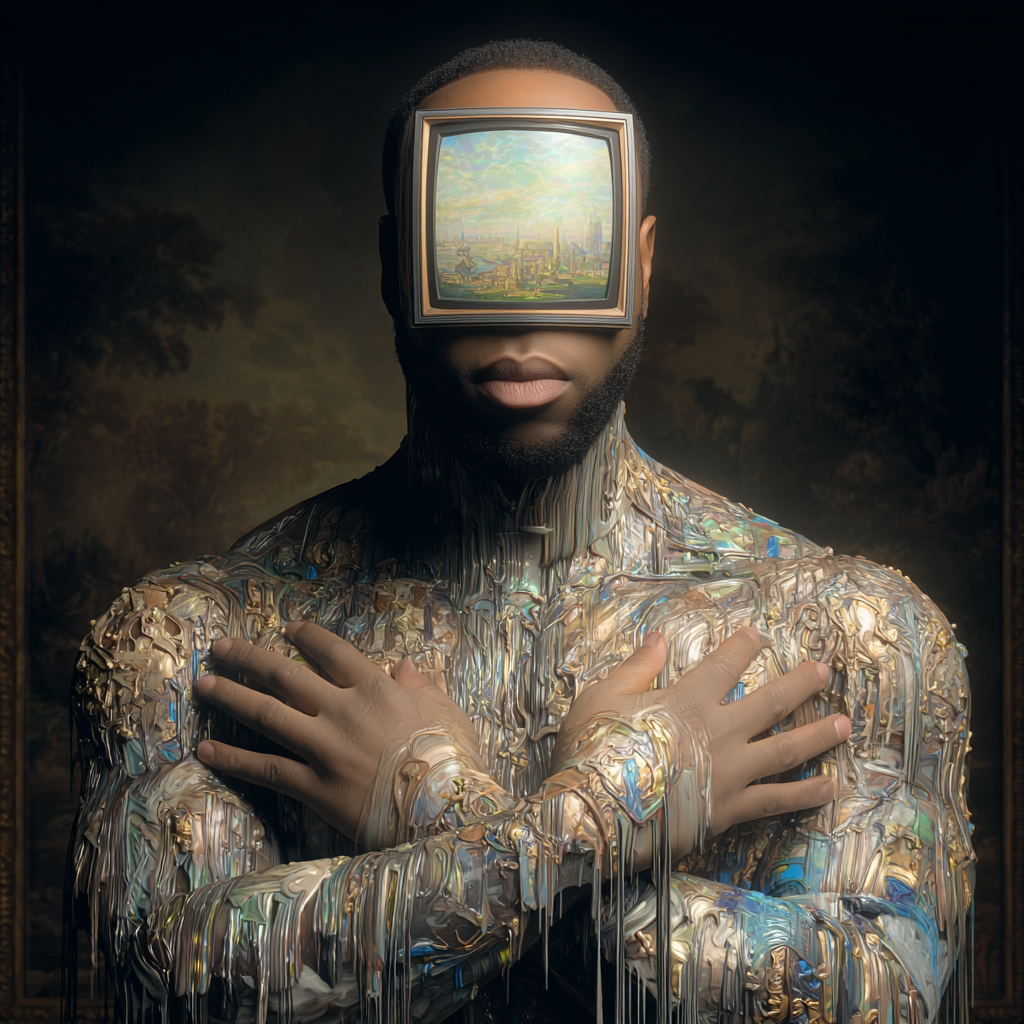
The Hidden Corruption of the Art World — A Battlefield of Power, Greed, and Gatekeepers
Greetings Warriors!
Art is supposed to be freedom — a pure expression of human consciousness reaching for truth, beauty, and collective meaning. But beneath the veneer of galleries, auction blocks, and museum walls lies a darker undercurrent: corruption in the art field. This corruption isn’t a fringe phenomenon. It’s engrained in how value is assigned, how reputations are built, and how artists themselves are used, commodified, and often discarded.
Today, we go deep into this battleground — not to insult, but to illuminate; not to despair, but to fuel awareness.
BUY MY ART🖤

The Market Illusion — When Art Becomes Currency
In a perfect world, art would be valued for its humanity. Instead, the art market has become a financial arena where speculators, collectors, and intermediaries chase not cultural value — but monetary gain.
Market Manipulation
Art prices are notoriously opaque. What should be a function of critical acclaim and cultural resonance instead becomes a game of signals:
Private sales with undisclosed bases
Auction houses setting astronomical estimates
Whispered deals between collectors that escalate “value” artificially
This is not appreciation — it’s engineered inflation. When trust becomes currency, art becomes collateral.
Art as Money Laundering
Because artwork can be sold privately, moved across borders, and valued subjectively, it becomes an effective tool for cleansing dirty money. This isn’t conspiracy theory — it’s documented, exploited, and facilitated by a lack of regulation that would be unacceptable in any other major financial market.
Here, wealth uses art as camouflage.
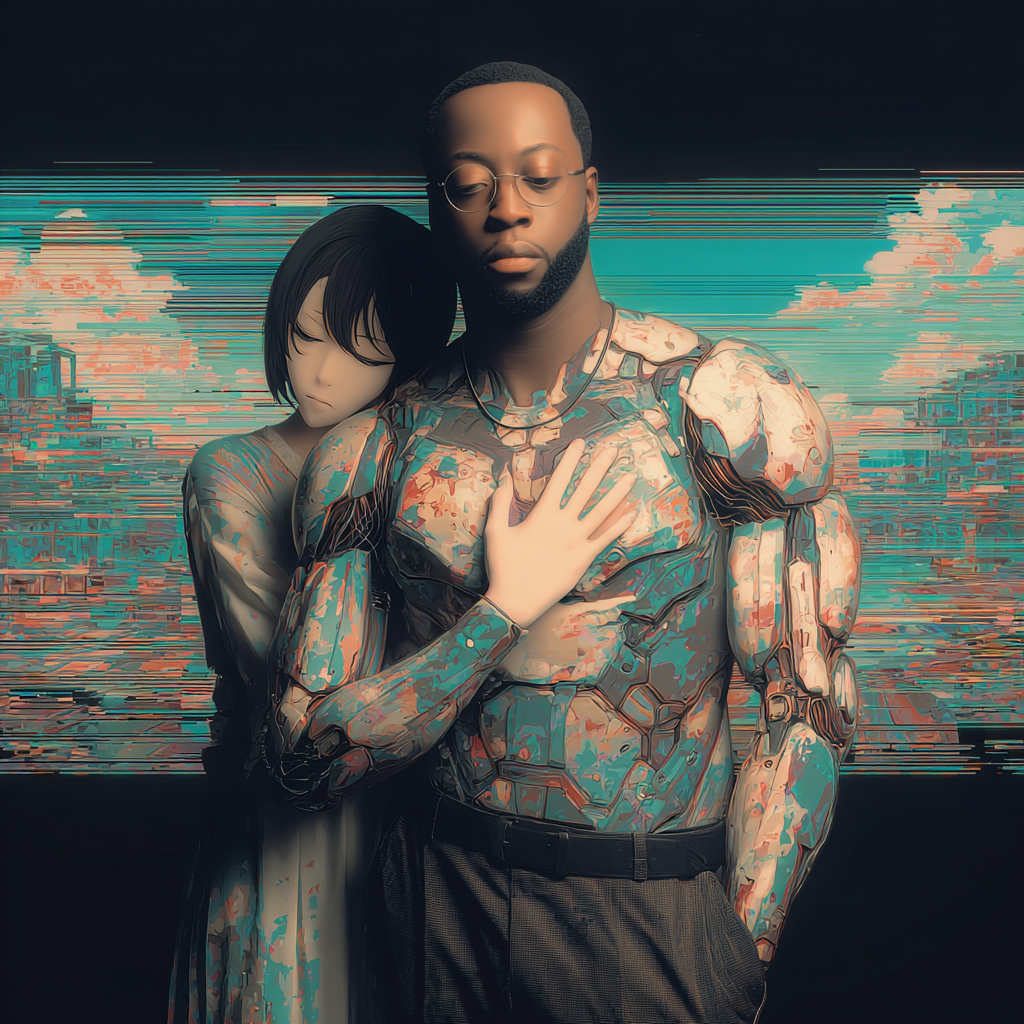
Gatekeeping — The Invisible Walls Around Opportunity
One of the deepest forms of corruption in the art world is gatekeeping: the unseen barriers that determine who gets visibility, who gets showed, and who gets forgotten.
It’s not just about talent. It’s about access.
Some artists are selected for major shows because they’re connected to key curators. Others are elevated not by merit, but by who they know, who funds the institution, who sits on the board. A small circle decides the “canon,” and the rest are left outside the gates.
I’ve written about this phenomenon in y “Gate-Keeping” — how informal power structures decide artistic futures, not audiences or creativity. That piece resonates because it names something everyone senses but few articulate: the art world isn’t a meritocracy — it’s a networked power game.
Gatekeeping isn’t just exclusion — it’s censorship by social architecture.


Exploitation — When Artists Pay the Price of Power
The narrative of the “starving artist” has been romanticized — but romanticization doesn’t make it noble. It makes it exploitable.
Exploitative Contracts
Galleries take 40%–60% of sales. Artists sign contracts giving up rights they don’t understand. They’re promised promotion and instead get invisibility. They’re paid late, credited poorly, or left to shoulder all the risk while institutions take all the prestige.
Emotional and Creative Backup
Artists are often expected to produce work on promises, not payment. They are asked to pour their soul into projects while institutions reap financial and reputational benefits.
This is not passion — it’s economic coercion disguised as opportunity.
In your article “Love and Bondage” I explore how emotional ties, dependency, and systemic power keep individuals trapped — creatively, financially, spiritually. In the art world, this plays out every day: artists bind themselves to institutions because they believe that exposure will free them — when too often it binds them instead.
Corruption here is not loud — it’s intimate.
Authorship, Authenticity, and the Forged Canon
Another battleground is the question of what is real?
Forgeries sell for millions.
Authenticators sometimes refuse validation due to politics over truth.
Museums display questionable works because prestige matters more than verification.
Here, truth is negotiable — unless the price of honesty is too high.
When art’s value depends on who says it’s real, the entire system becomes a house of cards.
BUY MY ART🖤

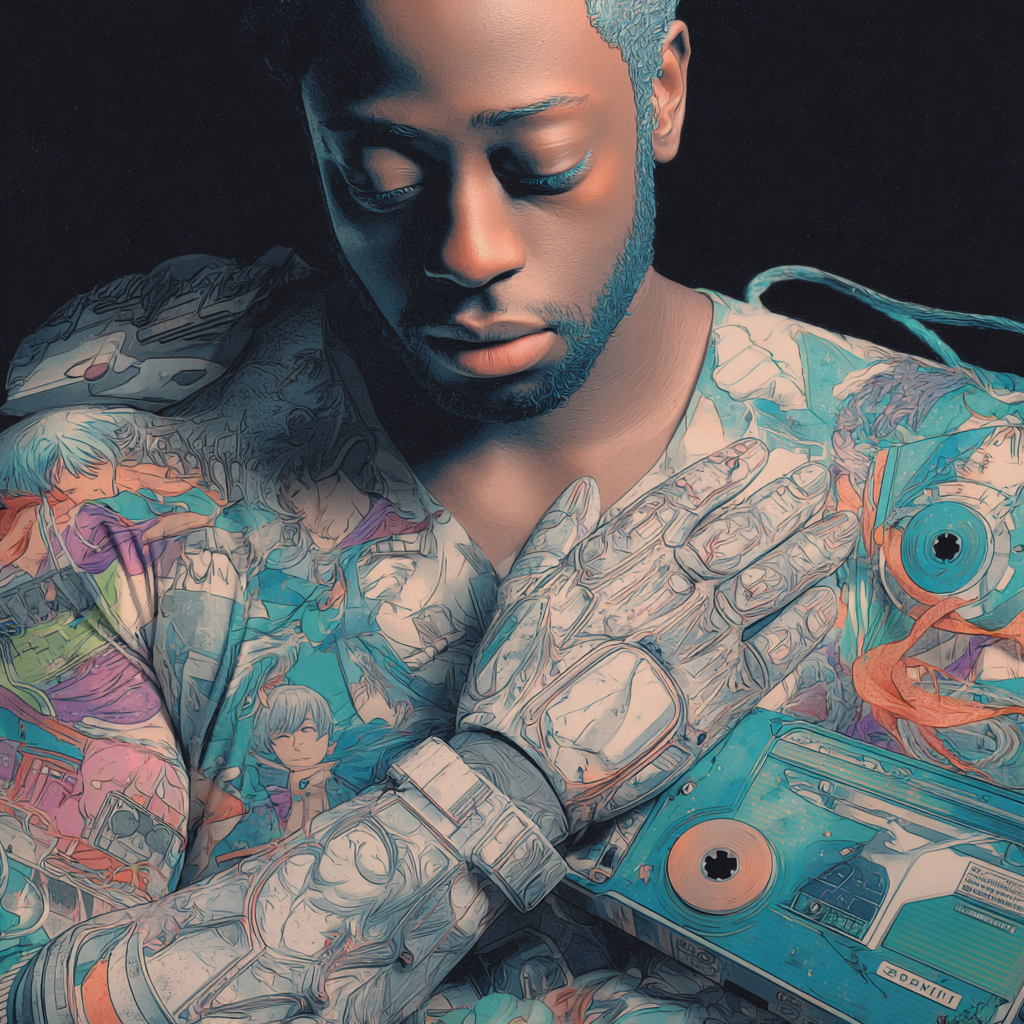
Museums, Money, and Moral Contradictions
Museums — temples of culture — are increasingly engines of influence:
Corporate sponsorships shape exhibitions
Billionaire donors influence curatorial choices
Colonial plunder remains in collections justified by narratives that erase historical suffering
These institutions proclaim enlightenment but operate through power, not principle.
Corruption here is subtle:
It’s not theft — it’s legitimacy laundering.

New Frontiers, Same Shadows — Digital and AI Markets
The digital age promised democratization — but humans brought the same flaws:
NFT wash trading
Pay-to-play visibility algorithms
Influencer pump-and-dump cycles
Platforms trading access like tickets to a club
The medium changes, but the corruption remains — because power and profit travel together.

Renaissance Man - Inspired by Leonardo Da Vinci

Why It Matters — Why We Fight
Corruption in the art world is not an abstract scandal — it has real human consequences:
Emerging voices are silenced
Diverse perspectives are marginalized
Cultural history is rewritten by the wealthy
Creativity becomes a luxury, not a right
For artists, this is not theory — it’s life.
But here’s the truth:
Corruption thrives in secrecy, but it dies in sunlight. The more we call it out, name it, and map it — the more we weaken its grip.
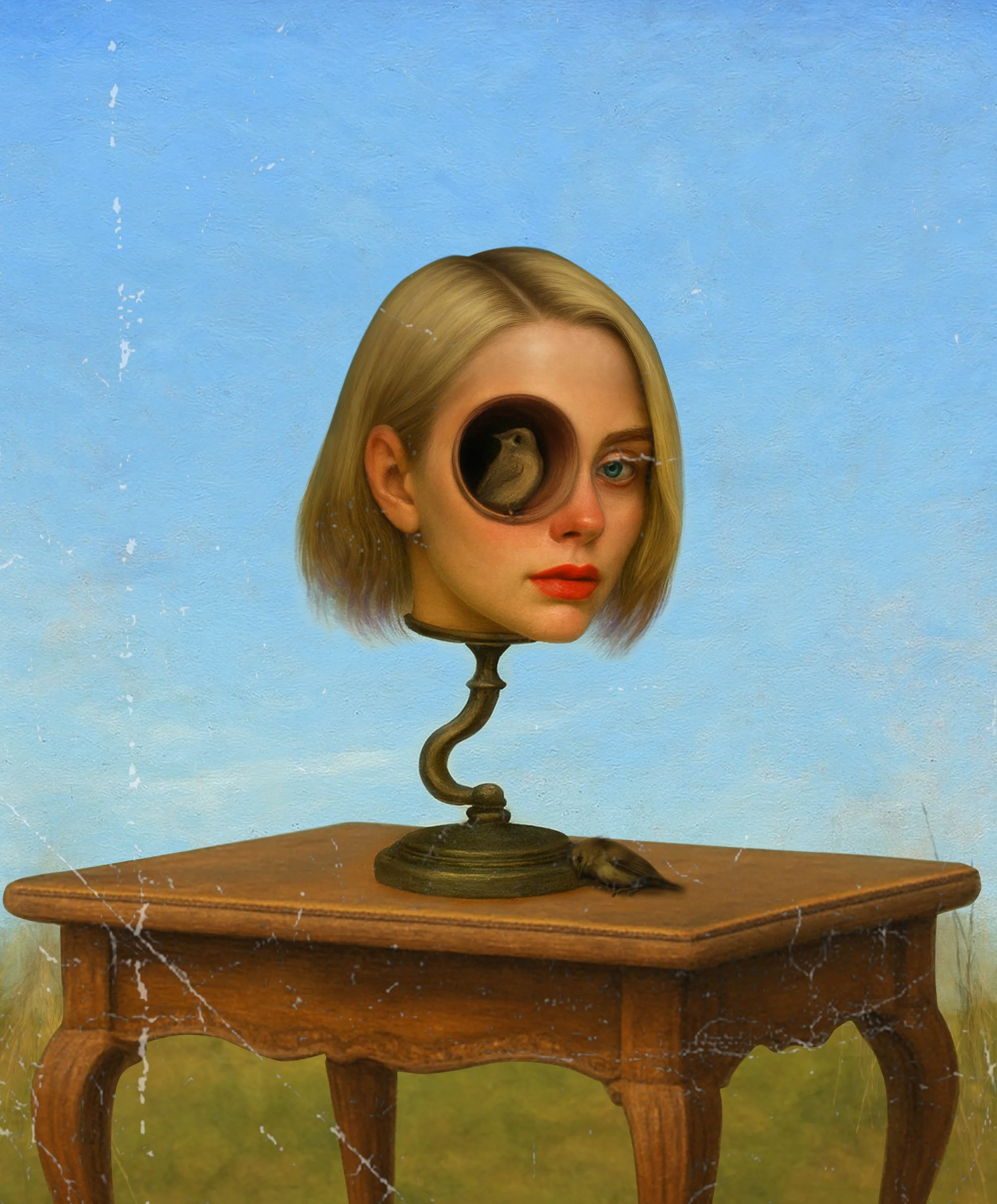
Vosoughi, I Am The Light - 2025
The Path Forward — Resistance as Creation
Fighting corruption doesn’t mean tearing down art itself — it means building new systems of value:
Transparency in transactions
Artists’ unions and collective bargaining
Direct support models (audience-to-artist)
Platforms that prioritize merit and engagement over money
New narratives that uplift historically excluded voices
Corruption is not inevitable — it’s a consequence of concentrated power. And power can be redistributed.
Final Thought for Warriors
Art is not currency. Art is not collateral.
Art is human voice. Art is witness. Art is resistance.
Corruption tries to silence value by monetizing it. But the true value of art lives in the struggle — the pain, the triumph, the soul that refuses to be commodified.
And as always — we fight not just for better art, but for a world where art can breathe freely.
Stay vigilant. Stay creative. Stay untamed.
— Your Brother in Thought and Battle.