
The Fall of a Giant: Sperone Westwater Closes After 50 Years
Another Titan Falls, and the Art World Trembles
Greetings Warriors!
Every empire rises with genius and falls with time.
Every bastion of culture eventually faces its reckoning.
Today, we stand witness to another monumental shift in the ever-changing battlefield of the art world: Sperone Westwater — one of New York’s most legendary galleries — announced it will close its doors after fifty years.
Five decades of influence, innovation, and prestige… gone.
If this feels familiar, it’s because I’ve already warned you, Warriors.
In my article When the Storm Hit the Art Market, I wrote about the seismic waves shaking the gallery world — closures in NYC, collapses across continents, and the end of the white-cube empire style of exhibiting art. That article wasn’t a prophecy.
It was a diagnosis.
And now another patient has flatlined.
But this isn’t just a eulogy for Sperone Westwater.
This is a story about evolution — about destruction and rebirth — and about why, even in the darkest hours of the art economy, beauty and high-value creation still refuse to die.
Let’s go deeper.
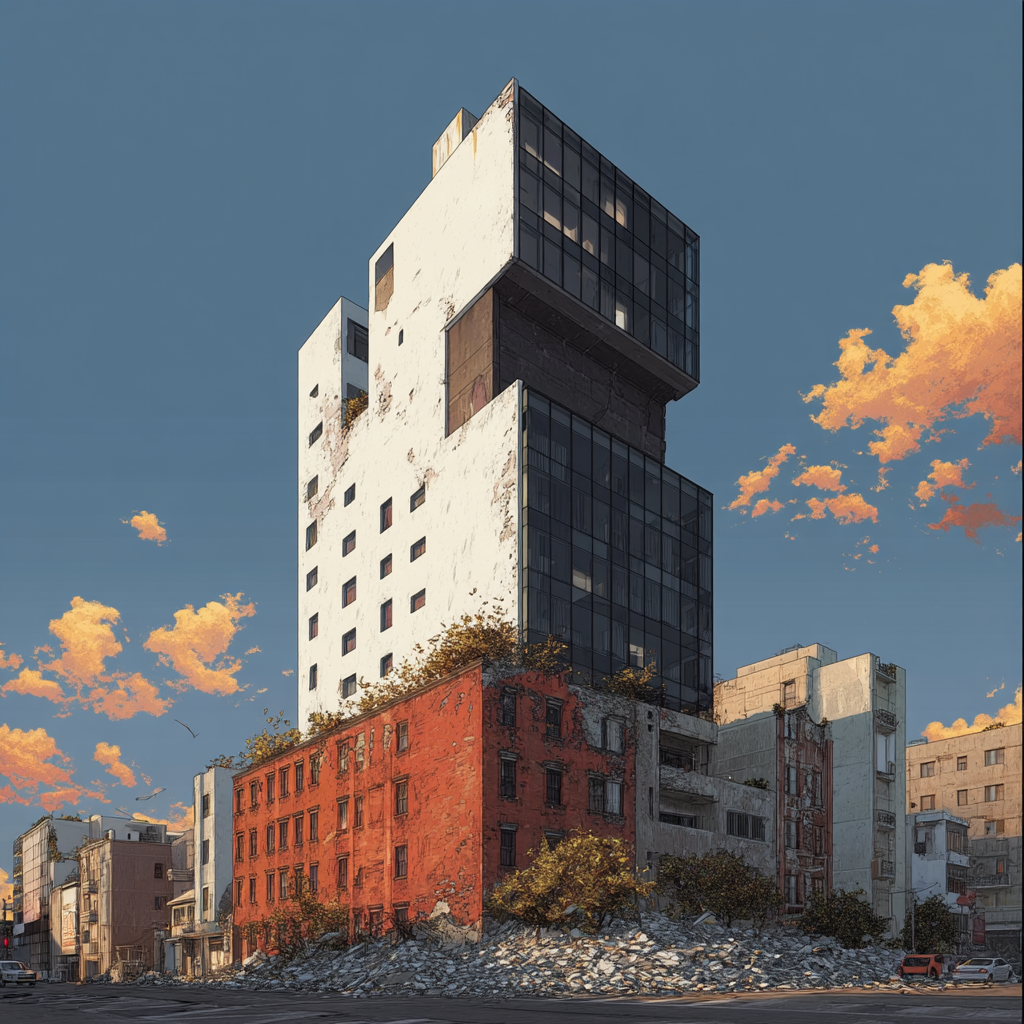
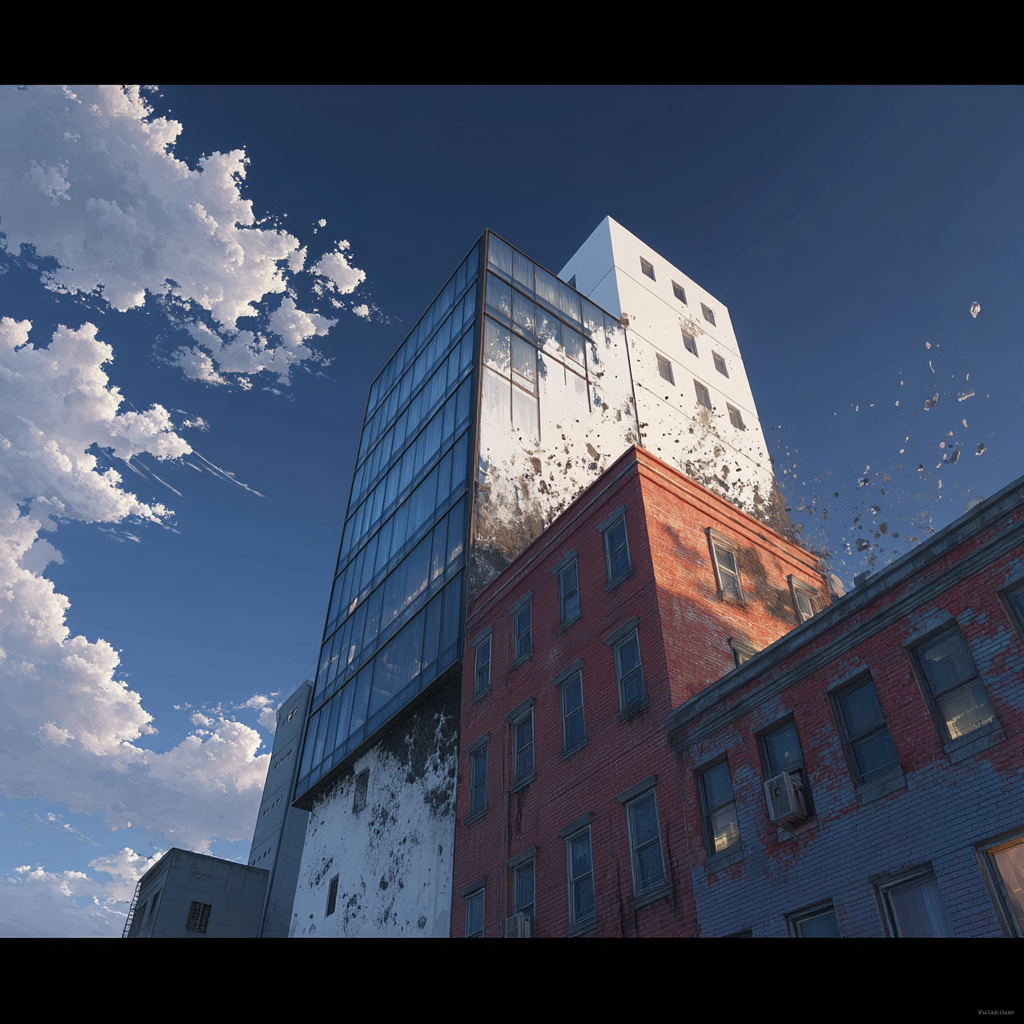
The Fall of a Legend — What Happened to Sperone Westwater?
Sperone Westwater wasn’t just a gallery — it was a cultural monument.
Founded in 1975, it forged the careers of major contemporary artists, from the avant-garde to the experimental. Its Bowery building — designed by the iconic Foster + Partners — stood like a modern cathedral of creativity: clean lines, floating floors, glass, steel, ambition.
For decades, it represented stability in a world of flux.
A safe haven for artists. A lighthouse for collectors.
A museum-like monument disguised as a gallery.
And yet, fifty years later, even this titan couldn’t survive the shifting tides.
The signs were there — declining foot traffic, rising overhead costs, competition from mega-galleries, the crushing pressure of art-fair economics, and a market that no longer supports the middle tier. As one dealer said recently:
“The market is not cyclical anymore — it’s structural.”
Sperone Westwater tried to endure, but the math stopped working.
And when the math dies, legacy can’t protect you.
Get two custom AI Art created by yours "King Romulus" truly every month. Uniquely crafted, with expressive quotes that dive deep into my subconsciousness. One of the art pieces will be posted on my Instagram account as well. Live through art history in the making!
A Global Pattern — The Crumbling of Empire-Style Galleries
This isn’t an isolated story — it’s part of a global shift.
In my previous piece, When the Storm Hit the Art Market, I chronicled the downfall of numerous powerhouses:
Blum
Kasmin
Venus Over Manhattan
Clearing
And dozens of smaller galleries quietly disappearing in the shadows
This isn’t coincidence. It’s the system buckling.
The overhead is brutal.
Rents skyrocket.
Staff costs climb.
Fairs demand impossible investment.
Collectors are buying less.
Speculators have fled to crypto and quick-profit ecosystems.
And in that storm, Sperone Westwater — once untouchable — was still caught in the tidal wave.
The collapse is here.
The question now is not who will fall, but who will adapt.


Why the Giants Fall — The Fault Lines Beneath the Surface
Sperone Westwater’s closure is rooted in deeper issues:
• The middle market is suffocating
Collectors buy either ultra-blue-chip or ultra-emerging. The middle — where most galleries live — is shrinking.
• Overhead is killing the old model
A Bowery architectural masterpiece is beautiful, but it comes with crushing rent.
• The mega-galleries have swallowed the ecosystem
Gagosian, Hauser & Wirth, and Zwirner shape the weather.
Everyone else is just trying to survive in the storms they create.
• Fairs replaced galleries — then drained them
What used to be a choice became a requirement.
A single fair can cost $150K+.
One bad fair = a year ruined.
• Collectors are fatigued
The market is flooded, attention spans thin, and the myth of endless growth has died.
Sperone Westwater wasn’t a failure.
It was a casualty of structural transformation.


What This Means for Artists — A New Era of Uncertainty and Liberation
For the 28 artists and estates represented by Sperone Westwater, the future is unclear — but not hopeless.
Some will be absorbed by mega-galleries.
Some will scatter into smaller spaces.
Some will thrive independently.
This may be heartbreak, but it is also liberation.
The old hierarchy — the empire of white-cube galleries, rigid systems, silent corridors — is collapsing. And in its place, something organic is sprouting:
artist-run spaces
community-rooted exhibitions
pop-up shows
digital galleries
apartment galleries
collaborative ecosystems
global online markets
Art is leaving the fortress and returning to the streets.
Returning to the people.
Returning to the hungry.
Returning to those who create not for compliance — but for survival.
This is the rebirth I wrote about months ago.
The seedlings are growing.
Shameless plug 🤣 My own AI art for sale$$$

But Not All Is Lost — Klimt Proves the Fire Still Burns
Here’s where the hope comes in.
Despite the collapse of traditional structures, the heart of the art world still beats fiercely — especially among the elite collectors who treat masterpieces as cultural immortality.
Just recently, I wrote about the historic record-breaking sale of Gustav Klimt’s painting — a $236 million resurrection that shook the market awake.
(Read: Gustav Klimt’s $236 Million Resurrection)
That sale wasn’t an anomaly — it was a message.
Old money still believes in timeless beauty.
Mastery still matters.
History still seduces.
And genius will always command a price.
Sperone Westwater may fall, mid-tier galleries may crumble, but the top of the market is not dying — it is roaring.
This is not the end of art.
It’s the end of one chapter.

The New Art World — From Empire to Ecosystem
We are entering a decentralized future.
The gallery-as-empire model is fading. But in its ashes, an ecosystem is forming — one that is collaborative, agile, global, and humane.
The new art world looks like:
Living rooms turned into galleries
Rooftops transformed into studios
Pop-up shows in abandoned storefronts
AI-enhanced storytelling
Hybrid digital exhibitions
Artist-to-collector direct sales
Community-driven art hubs
Affordable, intimate spaces replacing cold, towering cubes
This isn’t decline — it’s evolution. It’s not collapse — it’s decentralization.
Sperone Westwater’s closure is not the death of art — it is the death of elitism.
Art is leaving the castle and returning to the village. Returning to where it always belonged: among the people who feel it, need it, and breathe it.
Vosoughi, Be Quiet! - 2025
The Warrior’s Reflection — Towers Fall, but Art Survives
Warriors, this is what we must understand:
Galleries can fall.
Markets can dip.
Collectors can vanish.
Fairs can crumble.
Institutions can fail.
But art survives.
Because art is not a building.
Art is not a checkbook.
Art is not a fair or a gallery or a market report.
Art is a pulse.
Art is a spirit.
Art is a rebellion against silence.
Sperone Westwater may close after fifty magnificent years — but the artists who passed through its doors carry its fire onward.
The collectors who loved its walls will find new places to gather.
The art world is not dying — it is molting.
Shedding old skin.
Becoming something leaner, freer, more honest.
And this Kingdom — The Romulus Kingdom — will continue chronicling every rise, every fall, every moment the art world reshapes itself.
Because storms don’t end us.
Storms reveal who we truly are.
And we, Warriors, are built to rise.