
When Art Triggers Outrage: Vienna & Religion
Greetings Warriors!
Every so often, the art world does what it has always done best — it presses its finger directly onto society’s most sensitive nerve.
This time, the spark came from Vienna, where a museum exhibition featuring contemporary interpretations of religious imagery ignited backlash from religious groups, conservative commentators, and cultural critics. Accusations flew fast: blasphemy, disrespect, provocation for provocation’s sake.
Some demanded removal.
Others demanded apology.
Others demanded silence.
And art, as usual, refused.
If this feels familiar, it should. Because this isn’t really about Vienna. It’s about something much older — and much deeper.
This is about why art and religion have always collided.
Why museums become battlegrounds.
And why artists keep walking straight into cultural lightning storms even when they know the fire is waiting.
Check out my new poem book!
A collection of my most deepest thoughts.
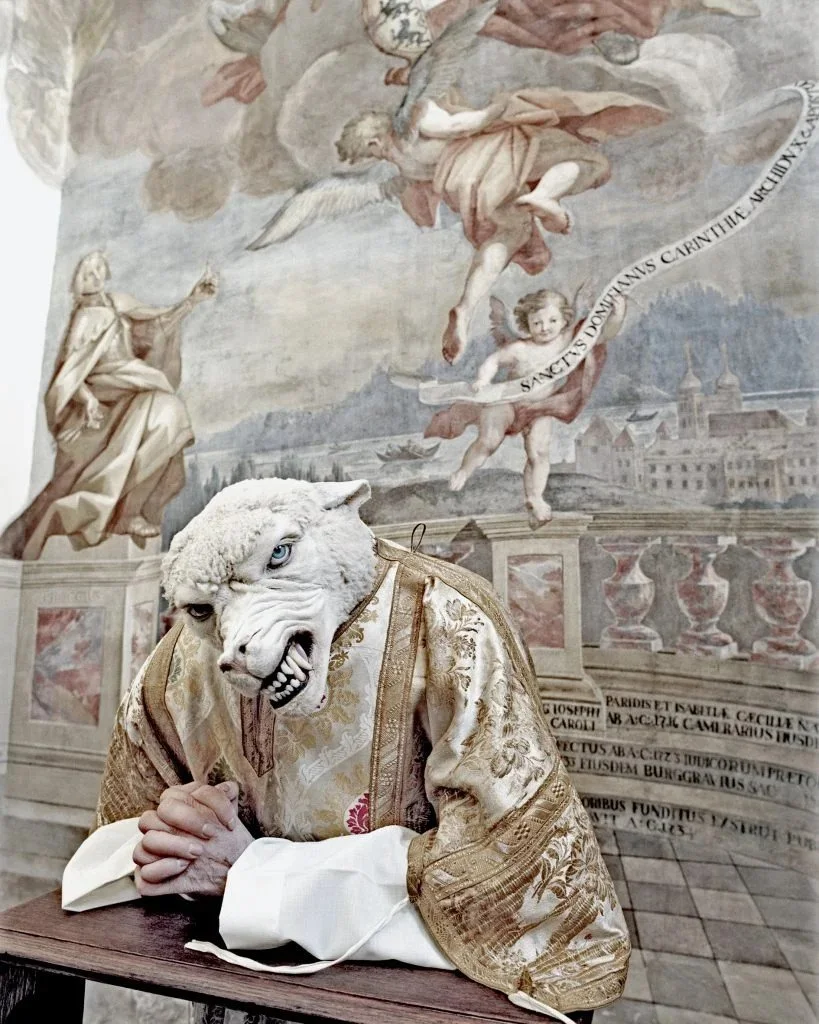
Deborah Sengl, Von Schafen und Wölfen, 2008. Photo: Ingo Pertramer
The Vienna Backlash: What Actually Happened
The Vienna exhibition in question featured artworks that reimagined sacred Christian imagery through a contemporary lens — blending religious symbols with themes of vulnerability, power, identity, and the human body. For some viewers, this was thoughtful critique. For others, it was outright offense.
Religious groups argued the exhibition crossed a moral line — that faith should not be questioned, reinterpreted, or placed in uncomfortable dialogue with modern anxieties. Protest followed. Headlines followed. The familiar cycle resumed.
Museum officials defended the show by pointing to a foundational truth of cultural institutions: museums are not churches. Their role is not to protect belief from discomfort, but to create space for dialogue — even when that dialogue is painful.
The question resurfaced, as it always does:
👉 Where is the line between artistic freedom and respect for faith?
It’s a question without a universal answer — and art keeps asking it anyway.
Get two custom AI Art created by yours "King Romulus" truly every month. Uniquely crafted, with expressive quotes that dive deep into my subconsciousness. One of the art pieces will be posted on my Instagram account as well. Live through art history in the making!
Why Artists Keep Poking the Divine Bear
Let’s be honest.
Artists are not diplomats. They are not public-relations agents for comfort. They are not hired to make belief systems feel safe. Artists are emotional archaeologists — digging where others are afraid to dig.
And religion? Religion is powerful. Sex is powerful. Corruption is powerful. Put them together and you get a nuclear emotional core — the kind that shakes civilizations, not just gallery walls. Art has always chased whatever shakes the soul the hardest.
As I explored in depth in my earlier article, Art, Religion, Lust, and Corruption https://www.theromuluskingdom.com/blog-posts/art-religion-lust-corruption), artists don’t mix sacred imagery with sensuality, desire, or controversy because they “hate faith.” They do it because they’re tired of pretending humans are saints. They do it because institutions demand purity while swimming in politics, money, ego, and control.
Art doesn’t politely raise its hand and whisper. Art slams the table and says:
“Stop lying. Let’s talk about what’s really happening.”


The Body as Battlefield: Shame, Desire, and Sacred Denial
For centuries, religion positioned the human body like a war zone:
Desire is dangerous.
Pleasure is suspicious.
Sex is sinful unless tightly controlled.
And yet — humans are wired with longing.
We feel.
We crave.
We fail.
We repent.
We repeat.
When art merges religious imagery with sensuality or human weakness, it isn’t always saying “faith is garbage.” Often, it’s saying: “Stop pretending holiness erases humanity.” It confronts shame. It questions why natural instincts are demonized while greed, power abuse, and hypocrisy hide safely behind stained glass.
If God created humans with bodies, emotions, vulnerability, and desire — why do institutions treat those truths like sins instead of realities?
Vienna’s backlash is part of this same ancient discomfort: the fear that acknowledging human complexity somehow destroys faith, when in reality, denial is what corrodes it.


When Churches Become Kingdoms — And Power Becomes the God
Let’s speak plainly, Warriors. Faith itself isn’t always the problem.
Institutions built around faith? That’s another story.
History isn’t shy! Church wealth hoarded while believers starve.
Religious leaders preaching humility while living like royalty. Abuse buried beneath silence and holy robes. Scandals protected by hierarchy. Spiritual authority twisted into social control.
When artists use religious imagery to expose corruption, they’re doing what prophets were meant to do: speak truth to power.
When faith stops serving the divine and starts serving itself, art becomes a sword. And institutions hate swords — especially when they cut through illusion.
So artists respond with visual protest. Saints mixed with sin. Altars mixed with human reality. Heaven painted beside exploitation. Holiness standing next to scars. Not to destroy belief. But to demand accountability.
Art doesn’t corrupt religion. Art exposes when religion has already corrupted itself.
Shameless plug 🤣 My own AI art for sale$$$


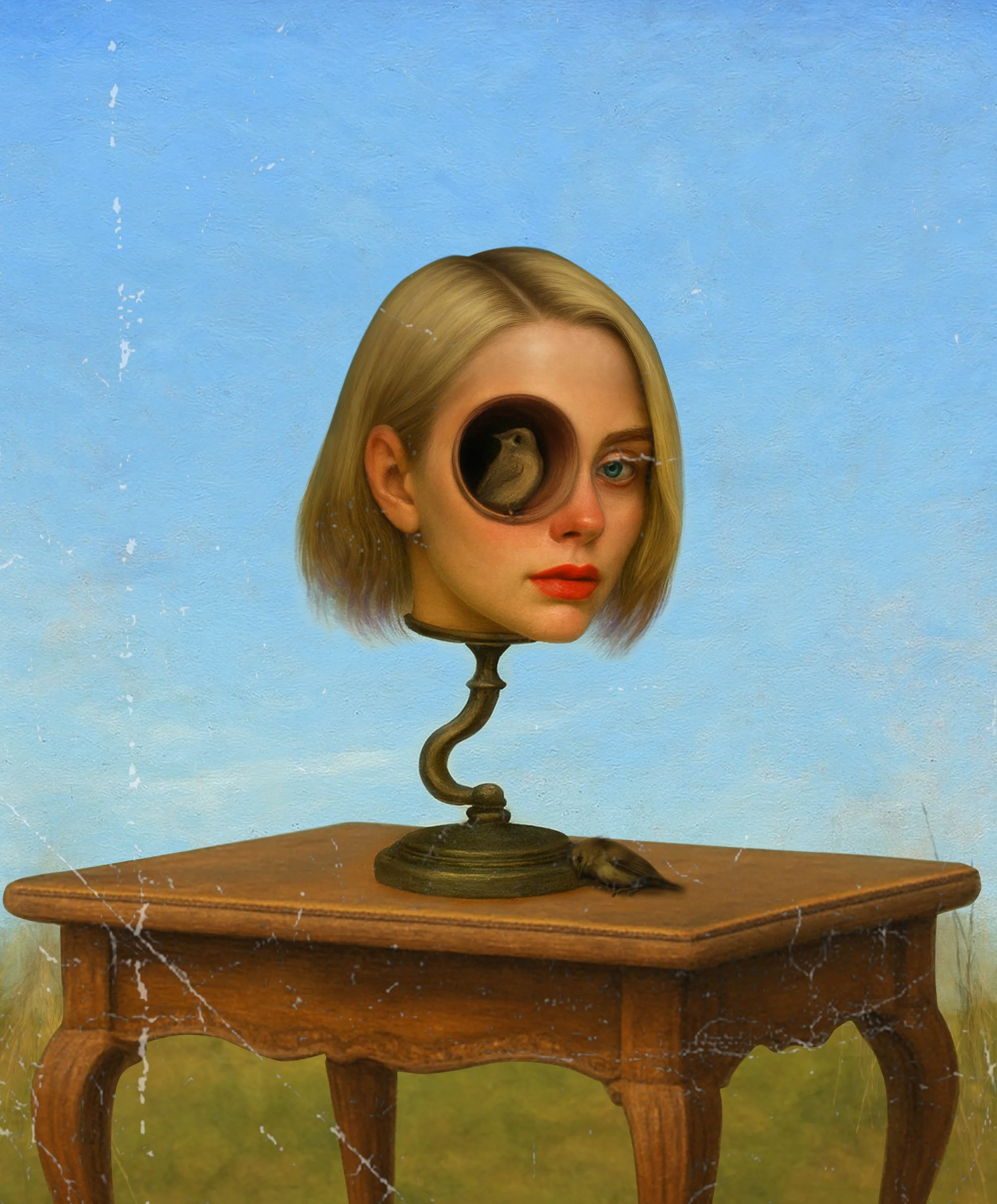
Vosoughi, I Am The Light! - 2025
“Too Spicy for a Museum?” — Why Discomfort Isn’t Decay
Some critics dismiss these works as shock value.
And yes — some artists chase attention. But the ones that last? They’re performing psychological, emotional, and spiritual surgery. Religion promises clarity. Sex represents instinct and vulnerability. Corruption represents betrayal of trust.
Together, they reveal humanity’s contradictions.
We kneel and we sin.
We preach and we fail.
We worship and we exploit.
We speak of love and hurt each other anyway.
Art refuses to sanitize that reality. It doesn’t put halos on perfect people. It puts halos on broken souls — because that’s the human condition. Vienna’s controversy isn’t proof that art has gone too far. It’s proof that art is still doing its job.
Warrior Reflection: Art Is Not the Enemy — Silence Is
So what does this moment really tell us? It tells us that art still matters. That symbols still have power. That faith, when unexamined, becomes fragile. And that truth, when exposed, always makes noise. Museums will continue to face backlash. Artists will continue to provoke. Sacred imagery will continue to be reimagined. And society will continue to argue.
Good.
Because a culture that never argues about meaning is already dead. As warriors, our task is not to demand comfort. Our task is to see clearly. Art is not here to protect belief. Art is here to challenge illusion. And if Vienna reminds us of anything, it’s this:
Faith that cannot survive honest examination was never strong to begin with.