
Consequences OF IRAN USA ISRAEL WAR
Greetings Warriors!
The world is once again flirting with war. Not the kind you read about in history books and shake your head at. No… this one feels closer. Louder. Faster. And like always, the headlines focus on power, territory, strategy—the usual suspects. But there’s something else happening beneath all of that noise. Something quieter. Something most people won’t notice until it’s too late. We’re losing culture in real time. Not metaphorically. Not symbolically. Literally. And the dangerous part? It’s not trending.
Check out my poem book!
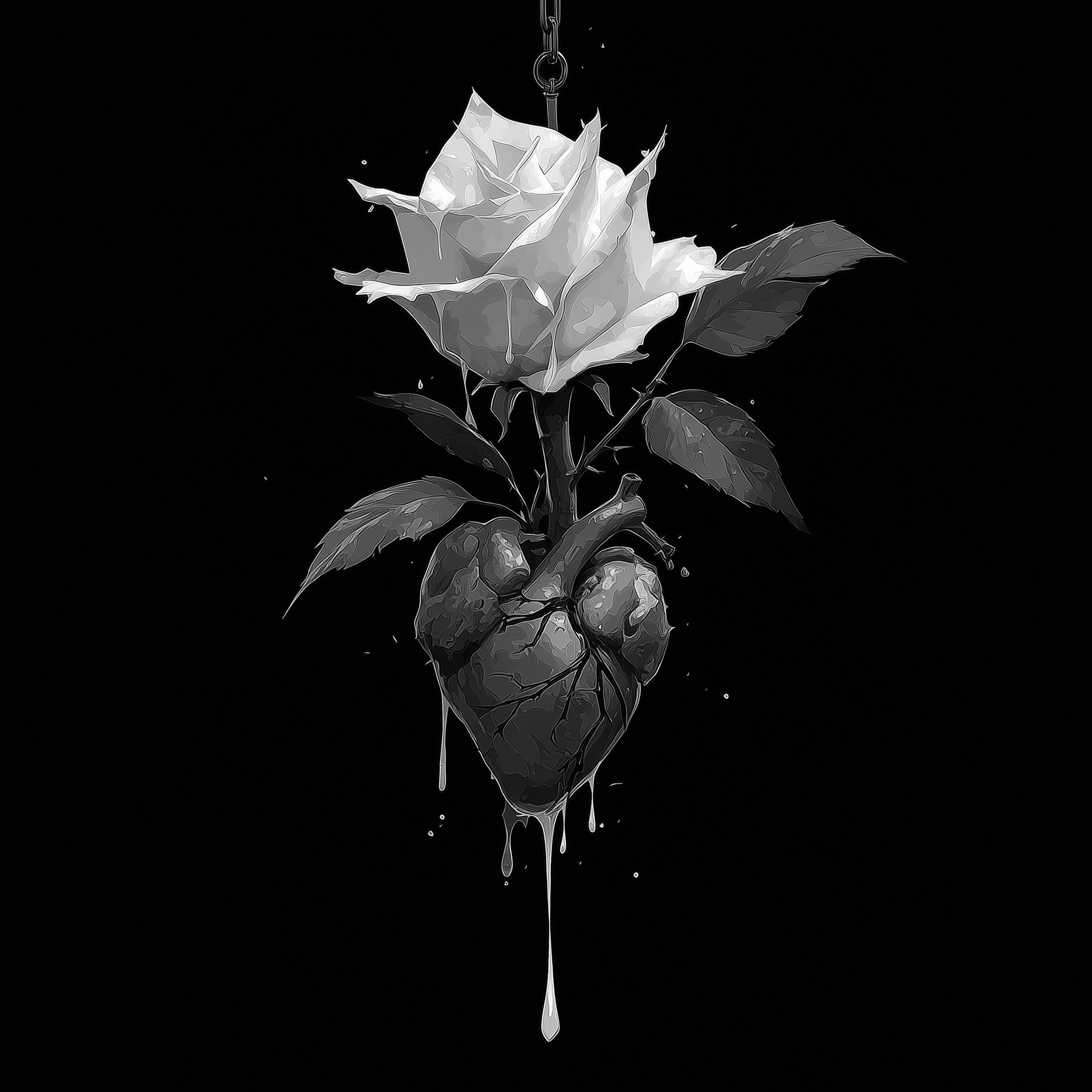
Between the wounds of war and the whispers of love lies the battlefield of the heart. These pages bleed passion, ache with loss, and stand defiant in hope. Step inside, where swords clash with sonnets, and discover that even in chaos, love dares to bloom.
Where love, loss, fear, hope, and memory quietly coexist. Love is not always loud or perfect; sometimes it is heavy, tender, and aching, shaped by time and experience. These words were born from moments of connection and moments of absence, from caring deeply and learning how to let go. Within these pages is an attempt to honor love in all its forms—the kind that holds us together, the kind that breaks us open, and the kind that teaches us how to keep going.
The Silent Casualty No One Talks About
War has always had a talent for destruction. It’s very good at it. Efficient, even. If war had a résumé, “breaking things quickly” would be at the top in bold. But what it destroys isn’t just physical. It erases context.
A building can be rebuilt with enough money and patience. A road can be repaved. Even an economy can crawl back to life if you throw enough policy and caffeine at it.
But culture? That’s a different beast.
Culture isn’t just the object—it’s the meaning wrapped around it. It’s the story behind the brushstroke, the intention behind the sculpture, the moment in time that gave birth to it.
When a cultural site is damaged, you’re not just losing stone or canvas. You’re losing a conversation across centuries. And right now, those conversations are being cut off mid-sentence.
Museums Are Closing — Not for Renovation
Across the Middle East, museums are closing their doors. Not for upgrades. Not for rebranding. Not for one of those “we’re reimagining the visitor experience” emails.
No.
They’re closing because they have to. Collections are being packed up like families during an evacuation. Crated, labeled, and moved into hidden storage, vaults, bunkers—anywhere that might keep them safe from the kind of attention you don’t want falling from the sky.
Think about that for a second.
These institutions were built to share culture. To display it. To invite the world in. Now they’re doing the opposite. They’re hiding it.
And it’s not paranoia—it’s survival.
Students can’t study what they can’t see. Researchers can’t analyze what they can’t access. The public can’t connect with what’s been locked away.
The museum, once a place of curiosity, has become a place of defense.
That shift alone should tell you everything you need to know.


Masterpieces in the Dark
Some of the most important works in human history are no longer on display. They’re sitting in darkness. Carefully wrapped. Carefully stored. Carefully hidden.
We’re talking about works tied to names like Van Gogh and Gustav Klimt—artists who survived their own battles with obscurity, rejection, and time itself… only for their work to now be tucked away to avoid modern destruction.
Alongside them are ancient artifacts—pieces that have endured empires rising and falling, borders shifting, rulers coming and going. These objects made it through centuries.
And now?
They’re hiding from the present. There’s something almost darkly ironic about that. Humanity finally figured out how to preserve art long-term… and then turned around and created weapons that make preservation feel temporary again. Progress, apparently, comes with side effects.
Iran — Where History Meets Shockwaves
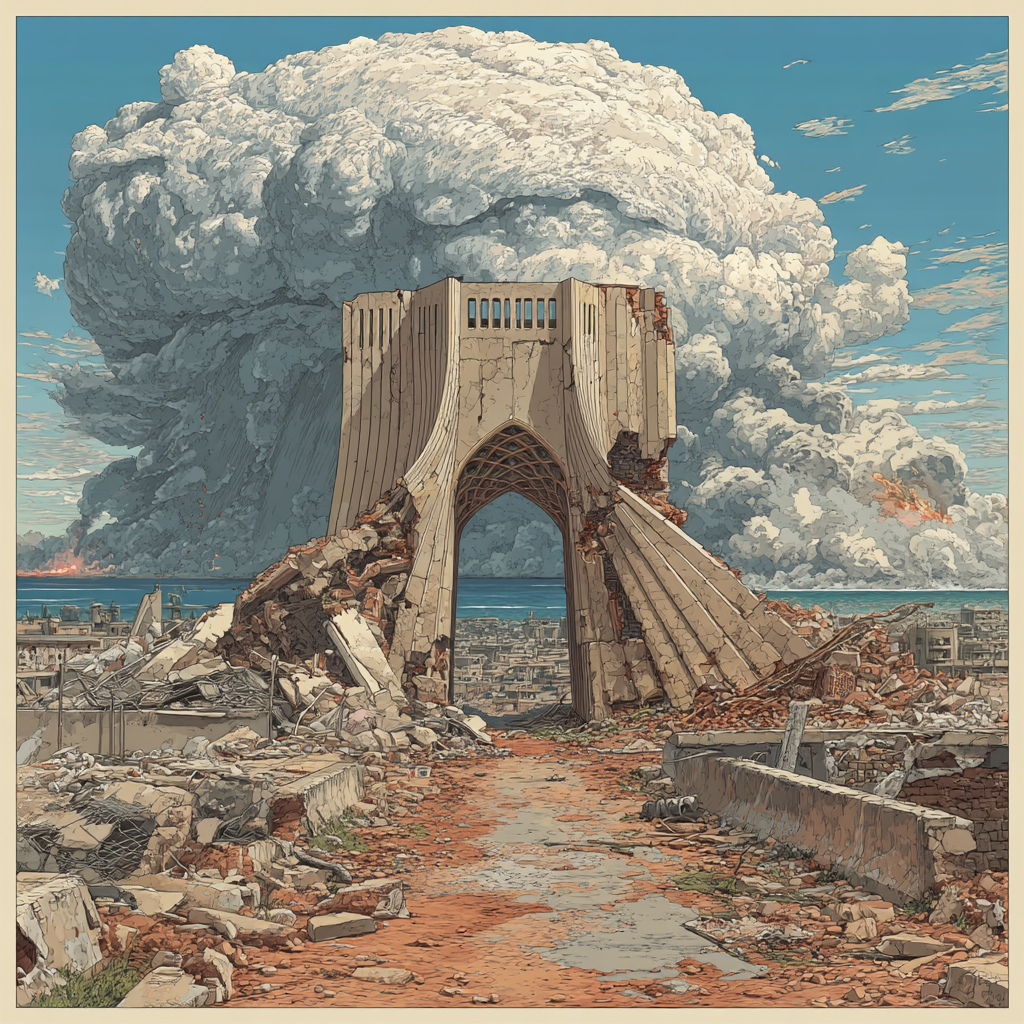
If you want a real-time example of how fragile culture becomes during conflict, look at Iran. Reports confirm damage to dozens of cultural sites. Not minor scratches either—real structural impact. Places that have stood for generations now bearing the marks of modern warfare.
Some estimates go even further, suggesting over a hundred museums and historical locations have been affected. Let’s pause there. We’re not talking about “buildings.” We’re talking about layers of civilization.
Iran isn’t just another country on a map. It’s a crossroads of history—Persian empires, Islamic architecture, centuries of artistic and intellectual development. Damage there doesn’t stay local. It echoes.
Because when something that old is broken, you’re not just damaging a place. You’re damaging continuity. And continuity, once interrupted, is hard to stitch back together cleanly.
BUY MY ART🖤

Cultural Amnesia — The Slow Erasure
Here’s where it gets uncomfortable. The real danger isn’t just what’s destroyed. It’s what’s forgotten. When art disappears, future generations don’t just lose access—they lose reference points. They grow up without seeing what their culture looked like, what it valued, what it created.
And when that happens, something subtle begins:
The past becomes easier to rewrite. Not because people are malicious.
But because there’s nothing left to argue with. No artifacts. No visuals. No physical proof.
Just stories.
And stories, as we all know, can be edited. This is how cultural amnesia works. Not in one dramatic moment—but slowly, quietly, piece by piece.
War and Art — A Very Old Relationship
War and art have always had a complicated relationship.
War destroys art.
War inspires art.
War steals art.
War preserves art (when someone decides to hide it well enough). History is full of examples—libraries burned, sculptures shattered, paintings looted and resurfacing decades later in someone’s private collection like a bad secret. But today feels different. Not because it’s worse than every war before it—but because of how fast everything happens now.
Destruction isn’t isolated. It’s widespread. Immediate. Documented.
We’re not discovering the damage years later. We’re watching it happen.
And yet, somehow, that doesn’t slow anything down.

Renaissance Man - Inspired by Leonardo Da Vinci
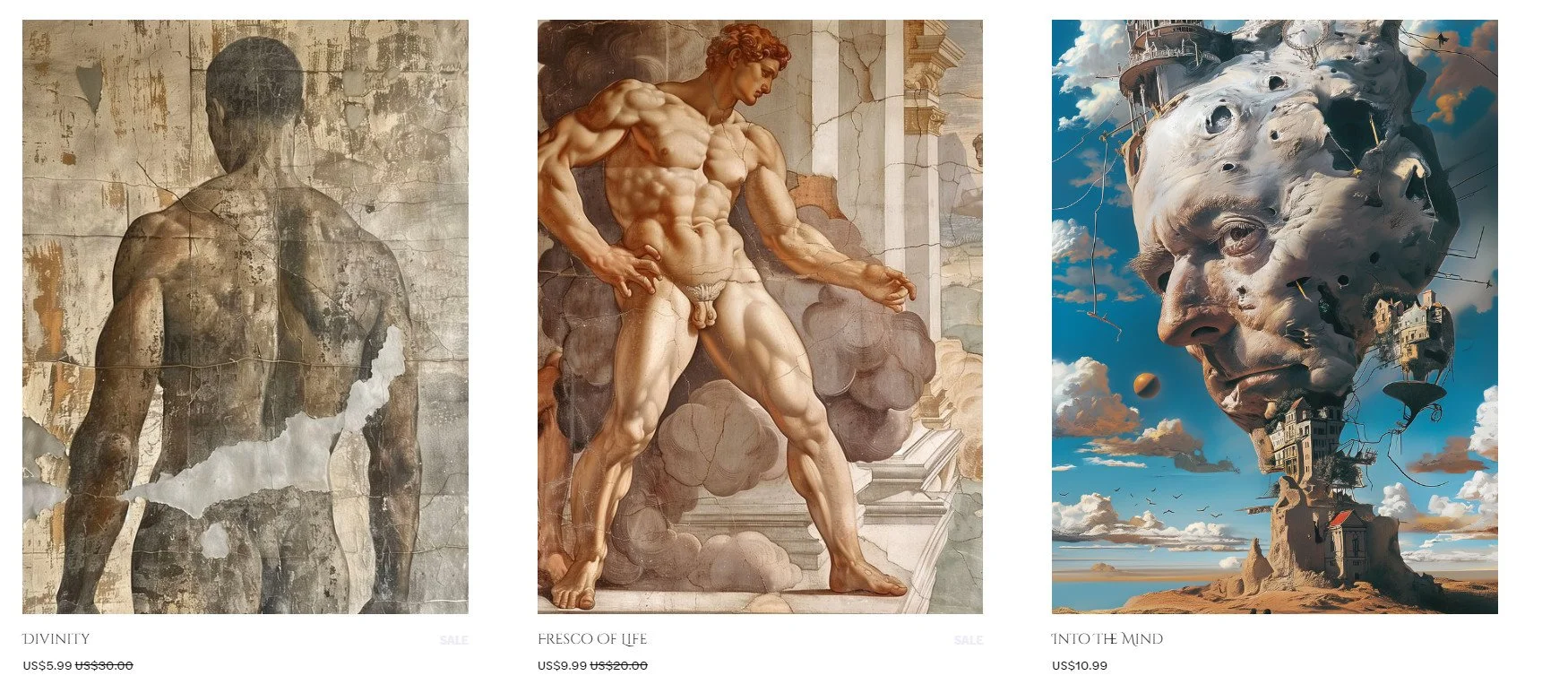
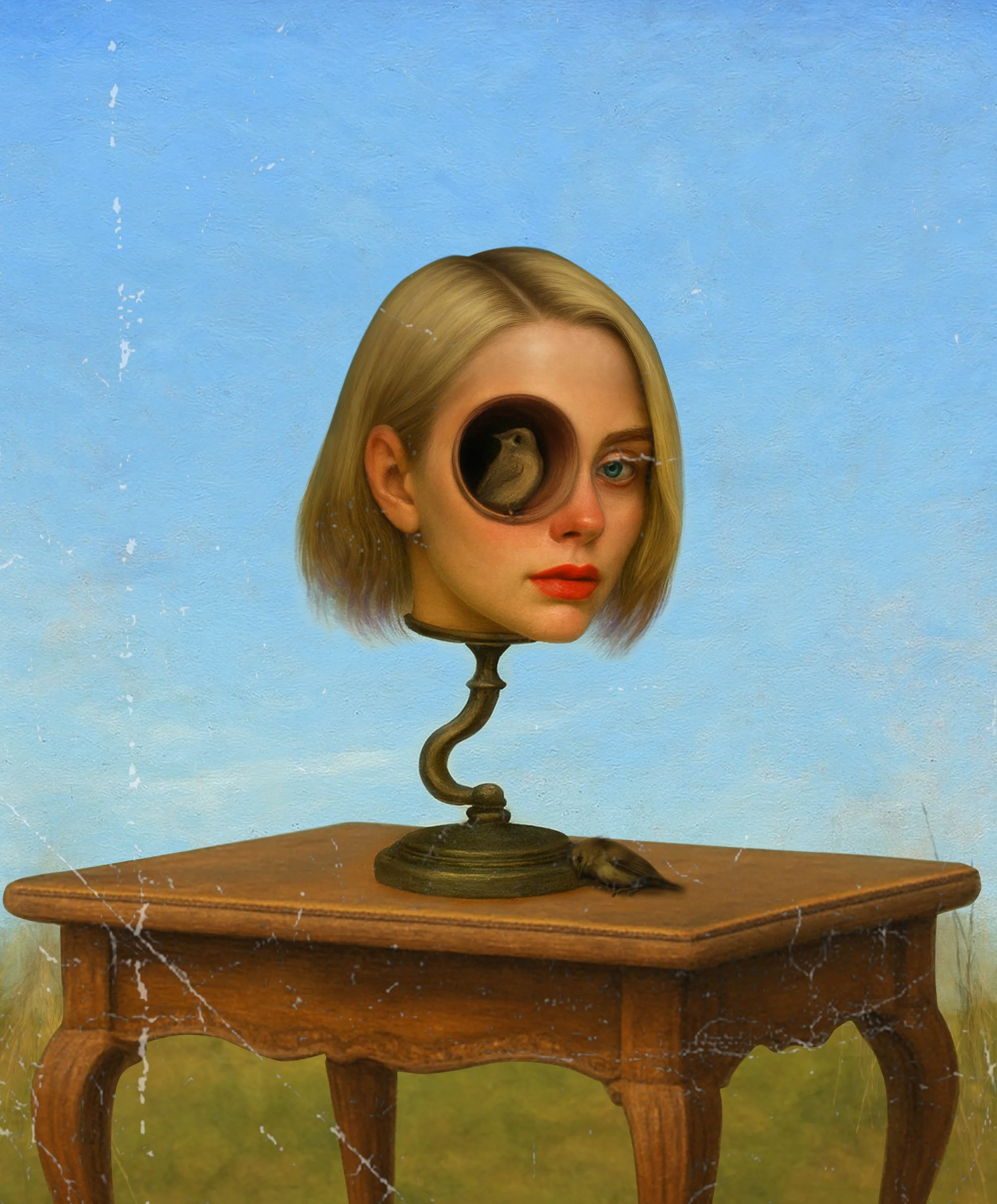
Vosoughi, I Am The Light - 2025
The Market Doesn’t Escape Either
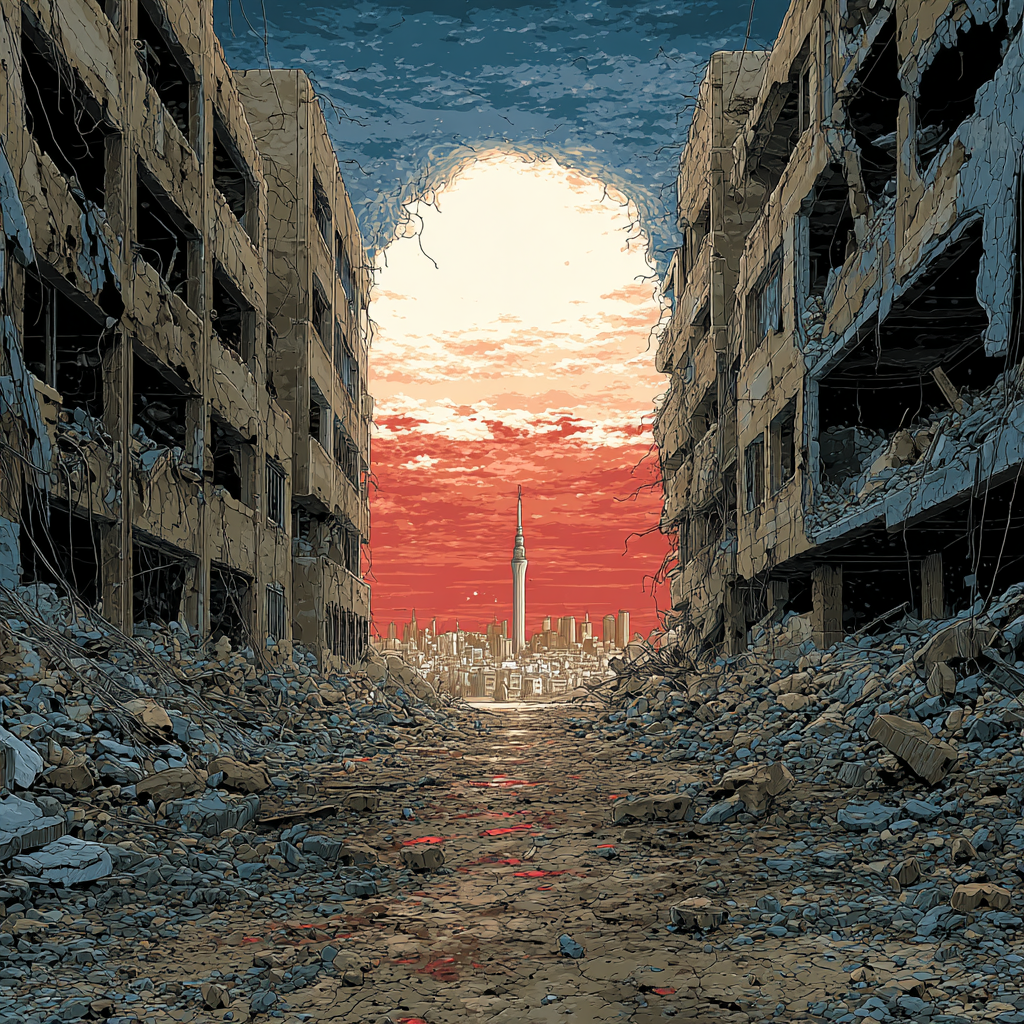
For those who think this is purely emotional or cultural—let’s talk about money. Because the art world always circles back to money eventually. It’s like gravity. The Middle East has been positioning itself as a major art hub in recent years. New museums, growing collections, serious investment.
Momentum was building. And then war enters the room uninvited. Now, everything tightens.
Collectors hesitate. Exhibitions get delayed. Insurance premiums climb like they’re training for a marathon. Deals don’t disappear—but they become quieter. More selective. More cautious. The loud, confident market becomes a whisper. And whispers, as you know, don’t carry as far.
The Strange Timing of Appreciation
Here’s something almost frustratingly human:
People start to value art the most when it’s at risk of disappearing. When everything is stable, art is “nice to have.” Something to visit on a weekend. Something to post on Instagram with a thoughtful caption and a coffee emoji.
But when it’s threatened? Suddenly it matters. Suddenly it becomes identity. Memory. Resistance. It becomes something worth protecting. Which raises an uncomfortable question:
Why does it take destruction for us to recognize value?
A Warrior’s Reflection
You’ve heard me say this before:
A warrior dies twice—once in the flesh, and once when his story is forgotten.
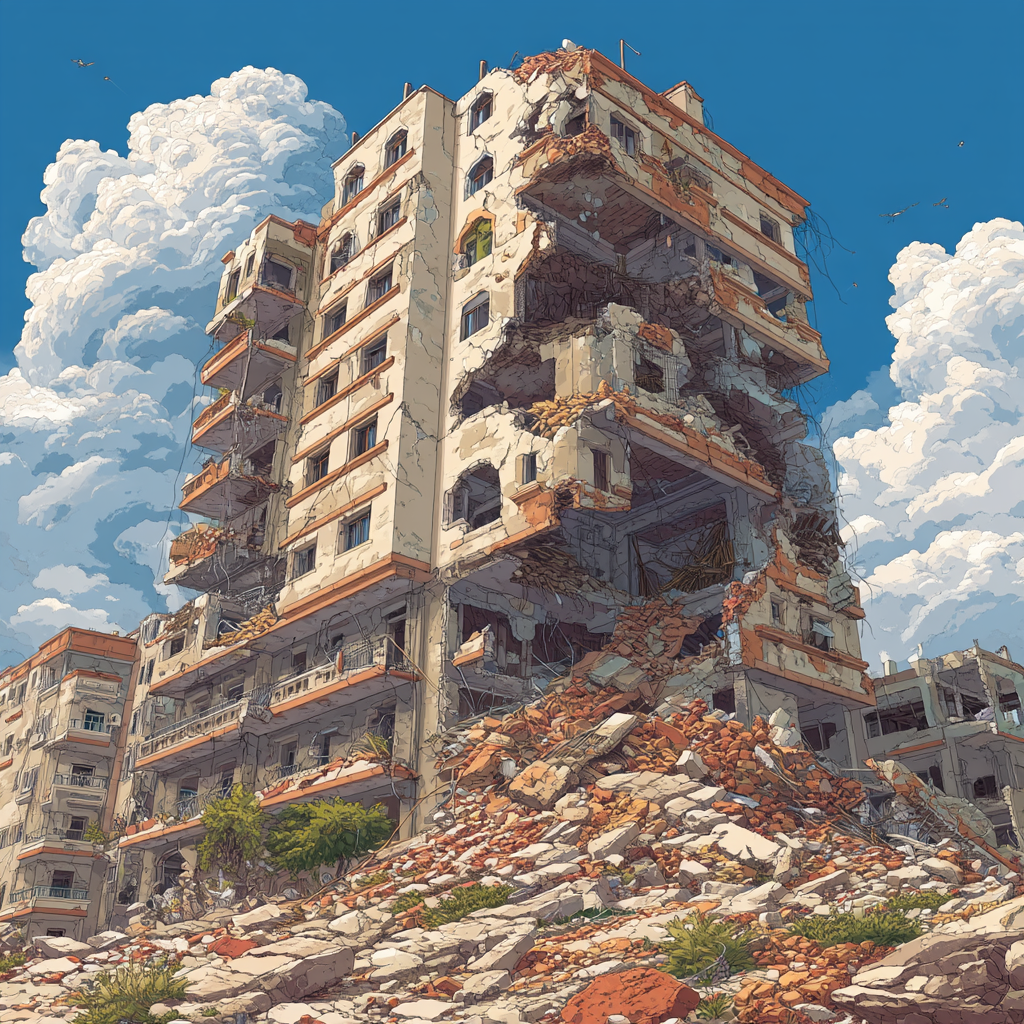
Right now, we’re watching that second death unfold. Not for individuals. For cultures. For histories. For entire narratives that once defined people.
And the scary part?
It doesn’t happen all at once. It happens gradually. Quietly.
Until one day you realize… there’s nothing left to remember from.
Final Thought — What Are We Really Fighting For?
War always comes with justification. It always sounds necessary to someone. Security. Power. Defense. Strategy.
But rarely do we stop and ask:
What are we trading away in the process?
Because when the dust settles—and it always does eventually—the question isn’t just who won.
It’s what’s left.
And if what’s left is a world with fewer stories, fewer artifacts, fewer connections to the past…
Then even victory feels… incomplete.
If you enjoyed this article, you can read more below:
Frida Kahlo Controversy: Why Mexico vs Spain Is Sparking a Cultural Debate