
Greetings Warriors,
For decades the gravitational centers of art were predictable — New York, Paris, London. The temples of culture were built there, the collectors gathered there, and the auctions roared like thunder through those cities.
But now something unexpected is happening.
A new art world is rising from the desert.
The Arabian Gulf — Dubai, Doha, Abu Dhabi, Riyadh — is quietly transforming into one of the most powerful cultural forces on Earth. Museums are being built at staggering scale, art fairs are multiplying, and billions of dollars are flowing into culture.
Yet just as this new art empire begins to rise…
War shadows it.
The current U.S.–Israel war with Iran has sent missiles across the region, closing museums, disrupting travel, and reminding everyone that art, like civilization itself, exists on fragile ground.
And yet — art continues.
Because art has always lived beside war.
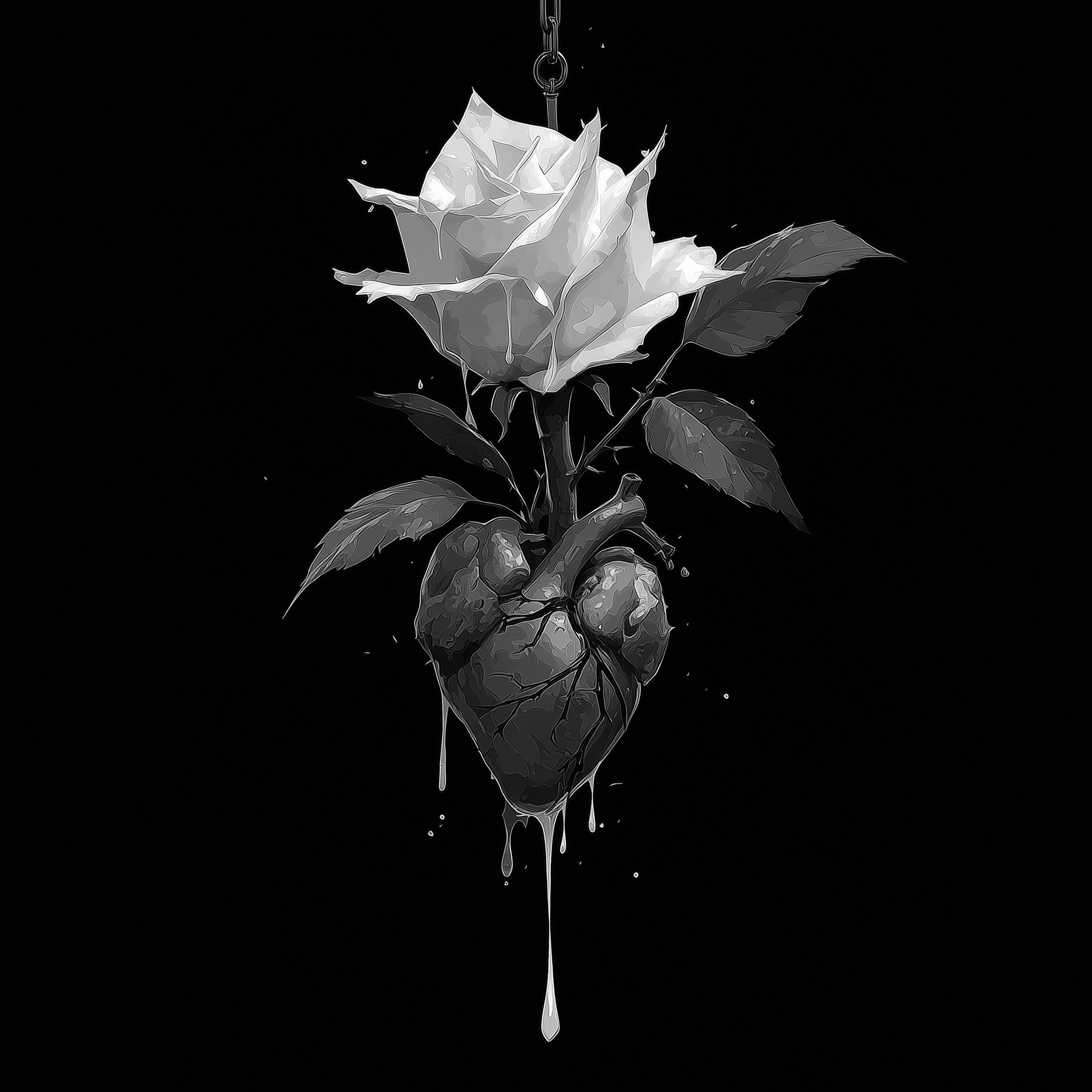
Between the wounds of war and the whispers of love lies the battlefield of the heart. These pages bleed passion, ache with loss, and stand defiant in hope. Step inside, where swords clash with sonnets, and discover that even in chaos, love dares to bloom.
Where love, loss, fear, hope, and memory quietly coexist. Love is not always loud or perfect; sometimes it is heavy, tender, and aching, shaped by time and experience. These words were born from moments of connection and moments of absence, from caring deeply and learning how to let go. Within these pages is an attempt to honor love in all its forms—the kind that holds us together, the kind that breaks us open, and the kind that teaches us how to keep going.
The Gulf’s Cultural Awakening
Twenty years ago the Gulf art scene barely existed on the global stage.
Today it is becoming one of the most ambitious cultural projects in modern history.
Cities like Dubai, Doha, and Abu Dhabi have transformed themselves into international art hubs through massive cultural investments, museums, and global art fairs.
Governments across the region are investing billions in art and culture as part of long-term strategies to diversify their economies beyond oil.
Saudi Arabia alone has invested more than $21 billion in cultural projects since 2016.
These investments include:
massive museum districts
artist residencies
public art installations
international art fairs
cultural festivals
The goal is simple.
Turn the Gulf into the next global art capital.


"Potion Number 9" is an enthralling piece of abstract art that captures the essence of mystery and transformation. The artwork serves as a visual representation of alchemy, blending ethereal forms and vibrant colors to create a potion of visual enchantment.
Museums Rising From the Sand
One of the most extraordinary developments in the art world is the scale of museum construction happening in the Gulf. Some of the most ambitious projects include:
Louvre Abu Dhabi
A stunning cultural partnership between France and the UAE.
Guggenheim Abu Dhabi
Designed by Frank Gehry, it is expected to become the largest Guggenheim museum in the world.
National Museum of Qatar
An architectural masterpiece designed by Jean Nouvel.
And then there are experimental projects that feel almost mythological.
In Saudi Arabia’s desert, massive land-art installations are turning entire landscapes into outdoor museums. At the AlUla Arts Festival, enormous sculptures and installations stretch across ancient desert valleys. Imagine standing in the desert surrounded by art the size of mountains.
That is the scale of ambition unfolding in the Gulf.
Art Basel Comes to the Desert
Perhaps the clearest signal of the Gulf’s rising power came when the world’s most prestigious art fair made a historic move. Art Basel opened a new fair in Qatar. For decades the art fair empire expanded only cautiously — Basel, Miami Beach, Hong Kong. Now the Middle East has entered the map.
The new Art Basel Qatar is designed to connect the Middle East, North Africa, and South Asia with the global art ecosystem. This is more than an art fair. It is a signal. The geography of the art world is changing.

Why the Art World Is Moving to the Gulf
So why are galleries, artists, and collectors suddenly turning toward the Gulf?
Three reasons.
1. Money
The Gulf’s sovereign wealth funds control trillions of dollars.
Governments and royal families are among the most powerful art collectors in the world.
2. Vision
Many Gulf nations are trying to reinvent themselves for a post-oil future.
Culture, tourism, and art are becoming central to that vision.
3. Cultural Identity
For many countries in the region, art is becoming a way to reclaim and tell their own stories. The Gulf is no longer just buying Western art. It is building its own artistic voice.

When War Enters the Gallery
But history rarely allows cultural dreams to unfold peacefully. The current U.S.–Israel conflict with Iran has sent shockwaves through the region.
Missile strikes and military escalation have forced some museums and galleries across the Gulf to temporarily close as a safety precaution.
Flights have been disrupted.
Shipping routes through the Strait of Hormuz, a key cargo corridor, face uncertainty. And the art world is beginning to ask difficult questions.
What happens to the Gulf’s rising art market if the war expands?
Even major art events like Art Dubai are now being watched carefully by galleries and collectors concerned about travel and logistics.
The art market moves slowly.
But eventually war touches everything.

The Fragility of Culture
War does not just threaten economies. It threatens culture itself. Recent attacks across the region have already damaged historical sites and forced museums to protect their collections.
When bombs fall, paintings become fragile things.
Statues crumble.
Libraries burn.
Civilizations lose pieces of their memory.
But this has always been the strange paradox of art. The more chaos the world experiences… The more humanity feels the need to create.

The Future of the Desert Art Empire
Despite the uncertainty, the rise of the Gulf art world is unlikely to stop. Too much infrastructure has been built. Too much money has been invested. Too many artists are now part of the ecosystem.
The Gulf is positioning itself as a cultural bridge between:
Europe
Asia
Africa
And in many ways that geographic position mirrors the deeper role art plays. Art is the bridge between civilizations. Between war and peace. Between destruction and creation.
A Warrior’s Reflection
Warriors, history has shown us something again and again.
Empires rise.
Empires fall.
Cities burn.
But art survives.
The ancient Persians created breathtaking art. The Ottomans built magnificent mosques. The Renaissance rose from the ashes of plague and conflict. Now the deserts of Arabia are building something new.
A cultural empire of museums, artists, and ideas. Whether missiles fly or markets tremble…
The human spirit still paints.
Still builds.
Still dreams.
And that, Warriors, may be the most powerful force on Earth.
If you enjoyed this article, you can read more below:
Frida Kahlo Controversy: Why Mexico vs Spain Is Sparking a Cultural Debate