

The Symphony of War (Iran, Israel, United States)
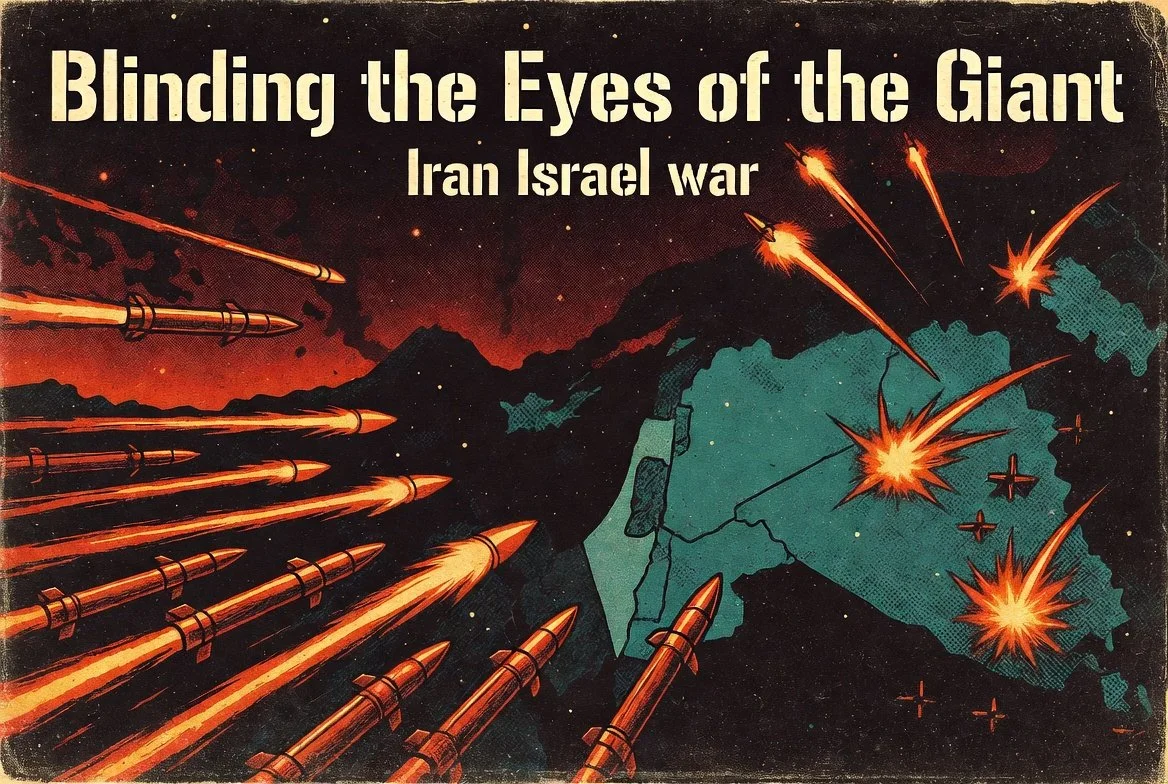
Greetings Warriors,
I want to start this off by saying this isn’t my typical talking point I would usually write. I normally keep things focused on my journey and the NFT space. But right now—watching the unfolding Iran Israel war and the broader US Iran conflict—I felt compelled, almost pulled, to put these thoughts down. Not as a military expert (I’m no strategist or all-knowing wizard), but purely from the viewpoint of how artistic this war has been from a strategy standpoint. It’s like watching a dark, intricate symphony unfold in real time: every note calculated, every movement deliberate. I’m just a guy who respects the art of outthinking a superior opponent in high-stakes environments, and what Iran is orchestrating here is pure strategic genius.
Bear in mind these are my own observations based on what I’ve studied and seen play out in the Iran US Israel war. I’m open to any criticism, corrections, or different viewpoints—drop them in the comments. I’m always here to learn and improve.
Here’s my breakdown of the strategic masterpiece unfolding:

Between the wounds of war and the whispers of love lies the battlefield of the heart. These pages bleed passion, ache with loss, and stand defiant in hope. Step inside, where swords clash with sonnets, and discover that even in chaos, love dares to bloom.
Where love, loss, fear, hope, and memory quietly coexist. Love is not always loud or perfect; sometimes it is heavy, tender, and aching, shaped by time and experience. These words were born from moments of connection and moments of absence, from caring deeply and learning how to let go. Within these pages is an attempt to honor love in all its forms—the kind that holds us together, the kind that breaks us open, and the kind that teaches us how to keep going.
Iran as the Ultimate Underdog in the Iran Israel War
Iran entered this conflict as the clear underdog — facing global superpowers armed with nuclear capabilities, unmatched surveillance technology, and layered missile defense systems that most analysts believed would crush any resistance in days. From the very first hours of the Iran Israel war and the joint US Israel strikes, Iran absorbed what should have been a knockout punch. Yet instead of collapsing, they turned vulnerability into strength. This is where the real symphony begins: an underdog rewriting the rules against overwhelming odds.

"Potion Number 9" is an enthralling piece of abstract art that captures the essence of mystery and transformation. The artwork serves as a visual representation of alchemy, blending ethereal forms and vibrant colors to create a potion of visual enchantment.
The Decapitation Strike That Failed to End the Iran US Conflict
On day one of the intensified US Iran Israel war, a precision decapitation strike wiped out Iran’s top leadership, including the Ayatollah. In any traditional military hierarchy, removing the head would paralyze the body and end the fight quickly. America and Israel have long relied on this “cut off the head” tactic, honed through conflicts in Iraq, Afghanistan, Libya, Syria, and Gaza. But Iran had studied these wars for over thirty years and prepared a radical counter: they chose to become headless by design. What looked like a death blow became the opening movement of their masterpiece.
The History and Genius of the Mosaic Doctrine Iran Strategy
The Mosaic Doctrine (also known as Iran’s decentralized Mosaic Defense) is the heart of this strategic symphony. First outlined in 2005 by Major General Mohammad Ali Jafari while directing the IRGC’s Centre for Strategic Studies, it was fully implemented after he became IRGC Commander-in-Chief in 2007. Drawing lessons from the rapid fall of centralized regimes like Saddam Hussein’s in 2003, Jafari fractured the IRGC into 31 semi-autonomous provincial commands — one for each province plus Tehran. Each “tile” in this living mosaic operates independently with its own intelligence, weapons stockpiles, and pre-set missions. No single point of failure. Even if Tehran is silenced, the pieces keep playing in harmony. This isn’t just survival — it’s asymmetric warfare elevated to an art form.
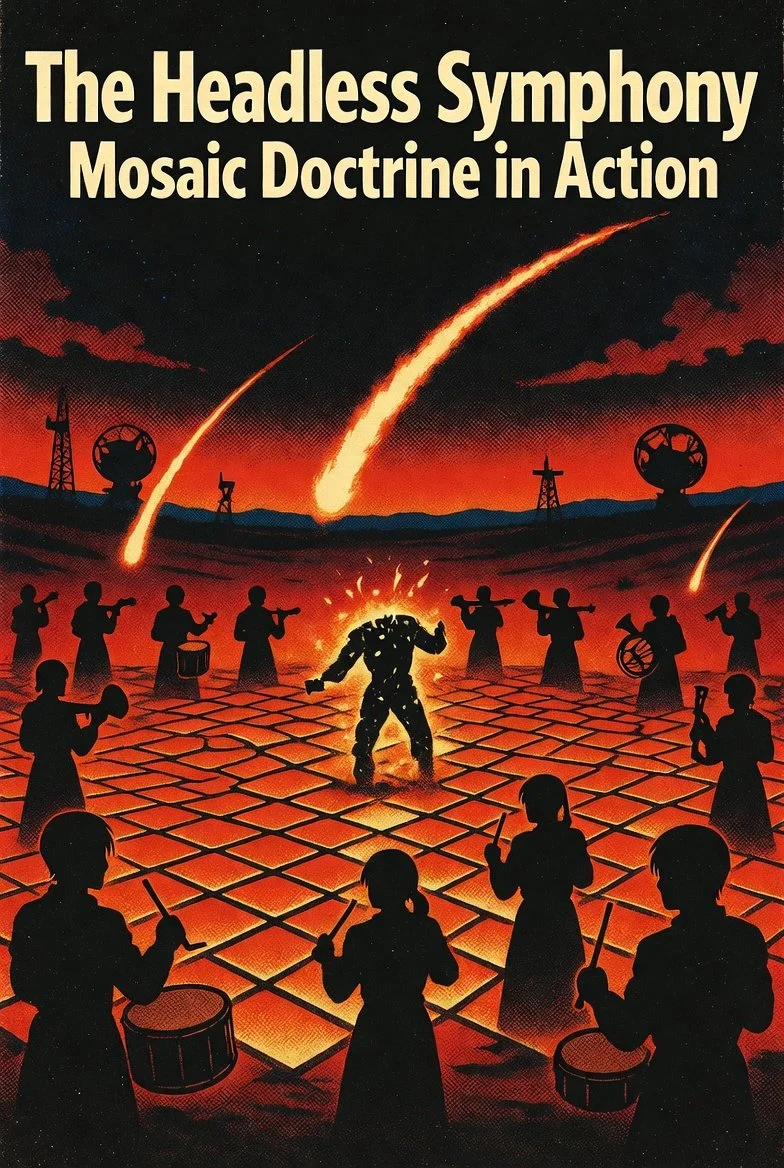
Becoming Headless: How Mosaic Doctrine Allows IRGC to Fight Without Central Command
In the heat of battle, order and direction are everything. The Mosaic Doctrine Iran removes the need for real-time orders from a vulnerable center. Local commanders act instantly based on ground conditions, turning the IRGC into a resilient, decentralized force that can sustain operations even after catastrophic leadership losses. It’s like a symphony where the conductor is removed, yet every musician already knows the full score and continues performing flawlessly. This doctrine has allowed the IRGC to not only survive the initial decapitation but to maintain momentum deep into the Iran US conflict, proving that sometimes the strongest structure is one with no single head to cut off.
Blinding the Enemy: Iran’s Attack on Radar and Air Defenses Across GCC Nations
Iran also mastered America’s greatest strength — its superior surveillance and air defense network. Knowing the power of THAAD systems, Patriot missiles, and Israel’s multi-layered defenses (Iron Dome, David’s Sling, Arrow, Iron Beam), the IRGC moved swiftly to “poke out the eyes” of the coalition. They didn’t limit strikes to Israel. In a bold masterstroke, they targeted radar and air-defense infrastructure across every GCC nation — Saudi Arabia, UAE, Qatar, Kuwait, Bahrain, and Oman. This regional blinding created massive inaccuracies, forcing advanced systems to operate in the dark and waste enormous resources. The enemy’s technological giant suddenly stumbled, setting the stage for the next movement in this symphony of war.
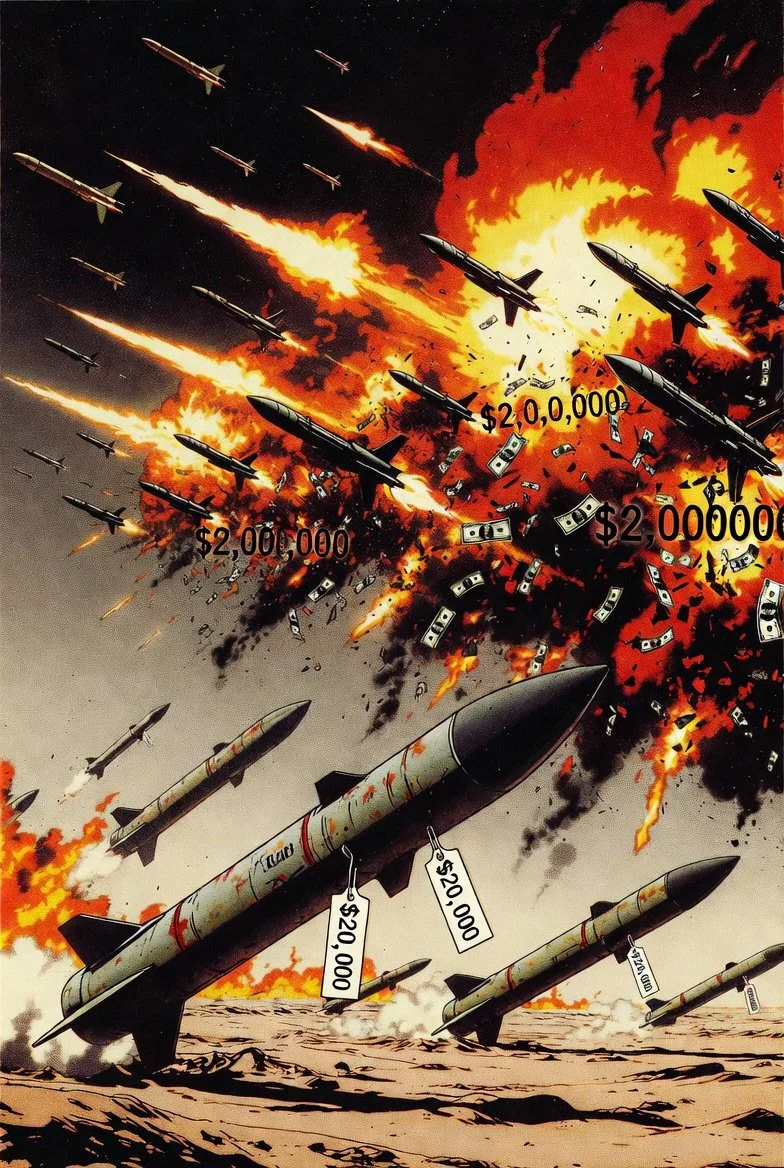
The Economics of Attrition: Cheap Missiles vs Expensive Interceptors in the Iran Israel War
Here the strategy turns brutally efficient. Early in the conflict, Iran unleashed stockpiled missiles from over twenty years ago — weapons costing around $20k each. This forced defenders to fire dozens of multimillion-dollar interceptors (often $2 million per Patriot or equivalent) in response. In many cases, the math favored Iran dramatically: $20k versus $20 million or more. Some old missiles still slipped through, delivering chaos on impact. Drawing from lessons of last year’s 12-day war, Iran calculated that the coalition’s missile reserves would run dry in roughly sixty days. We’re now around day 40, and the depletion is clearly visible. This is economic warfare woven into kinetic strikes — bleeding the superior force through sheer attrition while preserving Iran’s most advanced arsenal for later.

The Grand Finale: Advanced Iranian Missiles and the Harmonic Symphony of War
With defenses stretched thin and in many places broken, Iran has now unleashed its cutting-edge weaponry. We’re witnessing missiles that change trajectory mid-flight, execute sharp 90-degree turns, accelerate with dual solid-fuel engines in the final phase, and deploy clustered munitions that split into 2, 4, or even up to 80 separate warheads. Every element — decentralized Mosaic command, blinded surveillance, depleted interceptors, and precision strikes — plays into the next like instruments in a perfectly timed orchestra. It’s a harmonic symphony of war: dark, complex, and beautifully orchestrated under extreme pressure.
I’m still processing how this underdog has turned the very tactics used against them into a strategic advantage, rewriting modern conflict in real time during the Iran US Israel war.
These are just my random thoughts on the art of strategy I’m seeing unfold. If this resonated with you or you have a different perspective on the Iran Israel United States conflict, drop a comment below. I read every one and welcome the dialogue.
Thank you for reading, Warriors.
Stay strong and keep thinking deeply.
If you enjoyed this article, you can read more below:
Frida Kahlo Controversy: Why Mexico vs Spain Is Sparking a Cultural Debate