
Binance Is Shutting Down Its NFT Marketplace — But It Isn't Giving Up on NFTs
Another one bites the dust. If you have been following the NFT world for the last few years, those words are probably starting to sound painfully familiar. Foundation, Nifty Gateway, Kraken NFT, X2Y2. Platforms that once represented the future of digital ownership have either disappeared, shut down their marketplaces or completely changed direction.
Now we can add another massive name to the changing landscape.
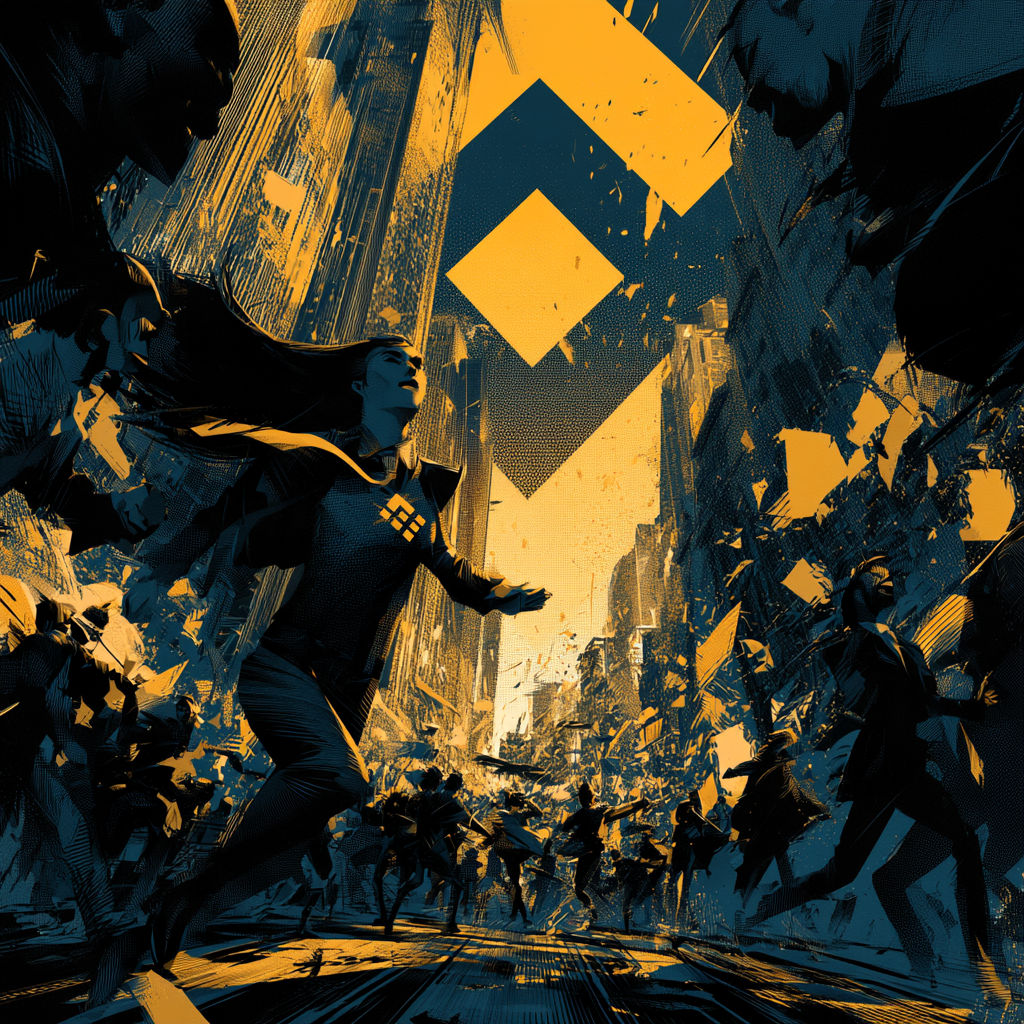
Binance. On June 3, 2026, Binance announced that it would discontinue the NFT service offered through its centralized Binance Exchange. Users holding transferable NFTs were given until July 3, 2026 to withdraw them.
At first glance, this sounds like another nail in the NFT coffin. Another sign that NFTs are dead.
But Warriors…
I don't think that's what is actually happening. Because Binance isn't completely abandoning NFTs. Instead, it is moving them away from its centralized exchange and toward its Web3 wallet ecosystem. And that small distinction tells us something much bigger about where the NFT world may be heading.

While NFT Marketplaces Are Dying, OpenSea Is Becoming Something Else
I have been in the NFT space long enough to know one thing.Nothing stays the same.Platforms come and platforms go. Projects explode overnight and disappear just as quickly. Artists build communities, collectors spend fortunes, marketplaces become giants—and then one morning we wake up and realize the landscape has completely changed.
I have watched it happen over and over again. Foundation shutting down was one of them. I had collected loads of artwork on Foundation. Many believed these platforms would be around for years. We built our portfolios there. We promoted them. In many ways, these marketplaces became part of our identities as NFT artists. Then they disappeared.
Foundation wasn't alone. Nifty Gateway shut down. Other NFT marketplaces disappeared or dramatically changed direction. Companies that once treated NFTs like the future quietly moved on to something else.
The great NFT gold rush was over.
Or at least that version of it was.
Because while much of the NFT world has been shrinking, OpenSea appears to be doing something completely different. Instead of retreating from NFTs, OpenSea is expanding. And its latest move may tell us exactly where the company believes this industry is heading.
Solana NFTs are coming back to OpenSea.
But Warriors, I don't think this story is really about Solana.
I think this story is about OpenSea attempting to become something much bigger than an NFT marketplace.
OpenSea's Mobile App Is About More Than Mobile
The NFT market has been through hell. We've watched marketplaces shut down. We've watched trading volumes collapse. We've watched collectors disappear. We've watched artists struggle to find buyers. We've watched entire business models built around JPEG speculation crumble under their own weight. Yet despite all of this, the builders continue building.
This month, OpenSea announced early access to its new mobile application. At first glance, this may seem like a small piece of news. After all, countless companies release mobile apps every year. Why should anyone care? Because this isn't really a story about a mobile app.
It's a story about where the NFT industry believes its future lies.
The Transformation Of NFT (OpenSea-SuperRare)
There was a time when NFTs felt untouchable. A time when people genuinely believed the blockchain would immortalize everything it touched. A time when artists rushed into digital galleries like prospectors discovering gold hidden beneath pixels and code. A time when platforms like OpenSea stood like towering empires over the new digital frontier, processing billions in volume while collectors screamed “WAGMI” into the void as if optimism itself could bend reality. And for a moment… it worked.
JPEGs sold for millions. Artists became legends overnight. Collectors transformed into cultural gatekeepers. Discords became kingdoms. Profile pictures became status symbols. The blockchain became scripture.
But markets have a cruel way of stripping fantasy down to its bones. Now here we stand years later, staring into the wreckage of collapsed platforms, exhausted collectors, and artists desperately trying to preserve what remains of their digital legacies before another platform quietly shuts its doors overnight.
The NFT casino has changed. And perhaps the clearest sign of this transformation is what OpenSea is becoming. Because OpenSea no longer appears interested in being “just” an NFT marketplace. OpenSea is trying to become something far larger.
Something colder.
Something more institutional.
Something more financially engineered.
The casino is slowly becoming Wall Street.
And that shift tells us everything about where this industry believes the future is heading.

Foundation Of Dreams
I’m not going to dress this one up, this one definitely hurt us. As we are greeted by the “This page is no longer available” from foundation new splash page on Monday 20260427. This one felt personal.
Because when Foundation fell, it didn’t just take a marketplace with it… it shook something far more dangerous.
It shook belief.
The Foundation Has Crumbled
There are moments in this space that hit like a quiet punch to the chest. No explosions. No headlines screaming collapse. Just… silence where something once lived. That’s what this feels like.
The shutdown of Foundation isn’t just another platform going dark—it’s the fading of a battlefield many of us fought on, built on, and believed in. And for those of us who poured our art, our late nights, our hope into that platform… this one cuts deep. I’m not going to sugarcoat it. I’m personally devastated.
SuperRare Shifts: The NFT World Watches
The winds in the NFT world have shifted again. Quietly. Subtly. But for those of us who have been watching the space since the early days, the signal is unmistakable.
SuperRare has reopened artist applications, moving away from the strict invite-only system that defined the platform for years. For many artists in the digital art world, this is a major moment. Not just for SuperRare — but for the entire 1/1 NFT art ecosystem.
Because make no mistake.
The NFT market today is not the NFT market of 2021. And survival now requires something every creative warrior must understand: adaptation.
NFT Market Weekly Recap: Market Tanking, Asian History, AI
This week felt like a battlefield of ideas. Not the loud kind. Not the trending kind. The deeper kind. The kind where we questioned power. Where we examined money, art, control, division, resilience, and survival in a world that never stops shifting beneath our feet.
If you’ve been walking with me inside The Romulus Kingdom this week, you already know — this wasn’t random content.
It was connected.
So let’s step back and look at the bigger picture.
Because warriors don’t just create.
They reflect.
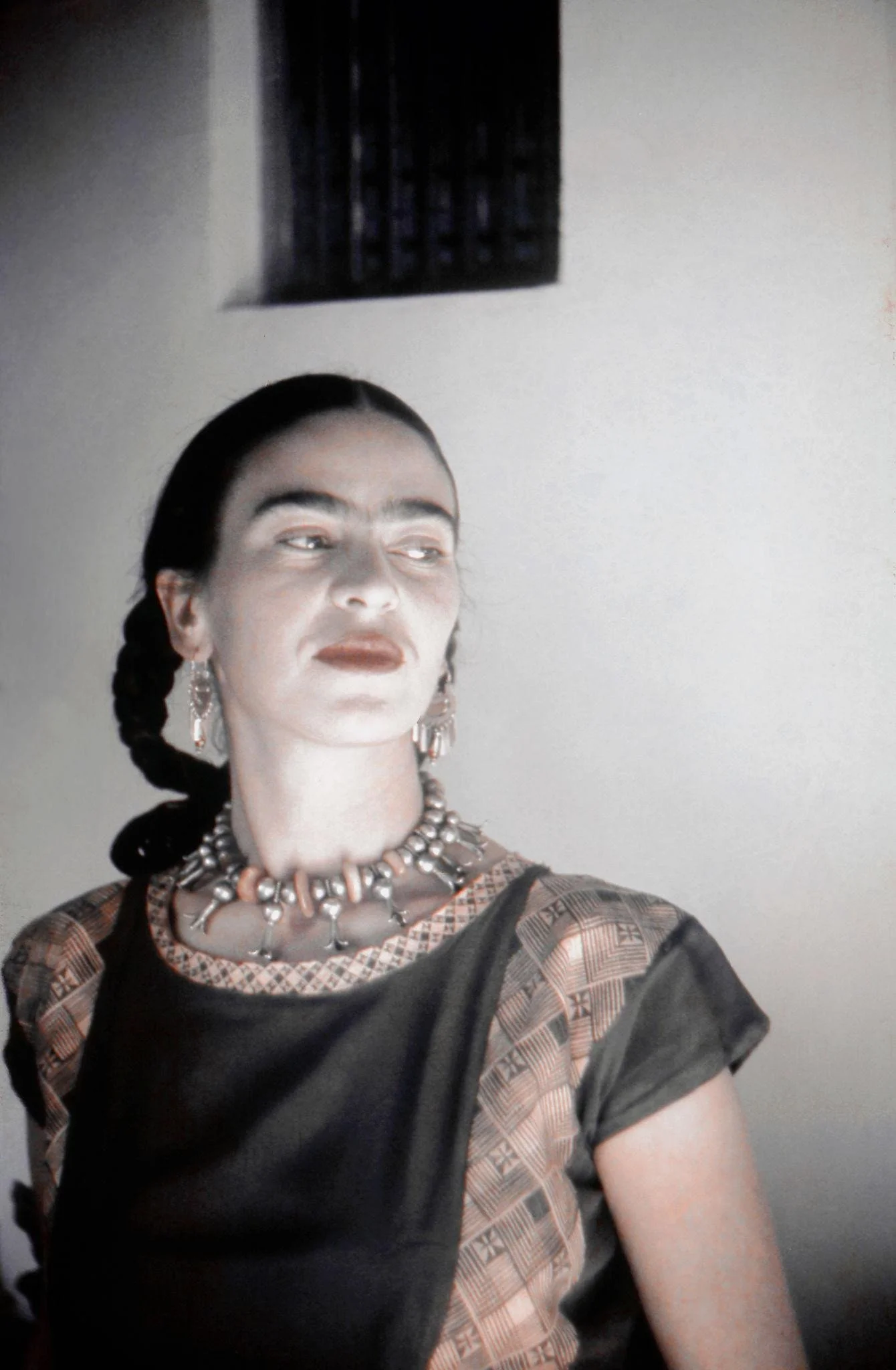
Frida Kahlo Controversy: Why Mexico vs Spain Is Sparking a Cultural Debate
Alright… today we’re stepping into international art drama. Not the petty “he copied my brushstroke” drama. I’m talking about Frida Kahlo, Mexico, Spain, colonial history, museum politics — and a controversy that proves once again art is never just art, it’s identity, it’s power, it’s memory. And sometimes… it’s a diplomatic headache. So grab your metaphorical armor. We’re going in.
NFT Comeback 2026? Why Polymarket and Prediction Markets Are Surging Amid Economic Pressure
I’ve been watching the timeline lately and it feels like we’ve entered a new era of modern survival behavior. Not survival like “hunt mammoth.” Survival like “rent is due, groceries cost a kidney, my group chat is stressed, and now people are trading probabilities on the Super Bowl halftime show.”
And in the middle of that chaos, we’ve got something weirdly fascinating happening:
NFTs are so down bad that people are literally betting on their comeback on platforms like Polymarket.
Prediction markets are exploding in attention and volume—Kalshi reportedly hit about $1B in trading volume on Super Bowl Sunday.
Even Robinhood’s CEO is out here calling it a possible “prediction market supercycle.”
Meanwhile, the global economy is “steady” on paper… but the lived experience is still tight, expensive, and uncertain. The IMF projects ~3.3% global growth in 2026, with inflation easing, but a lot of people still feel squeezed.
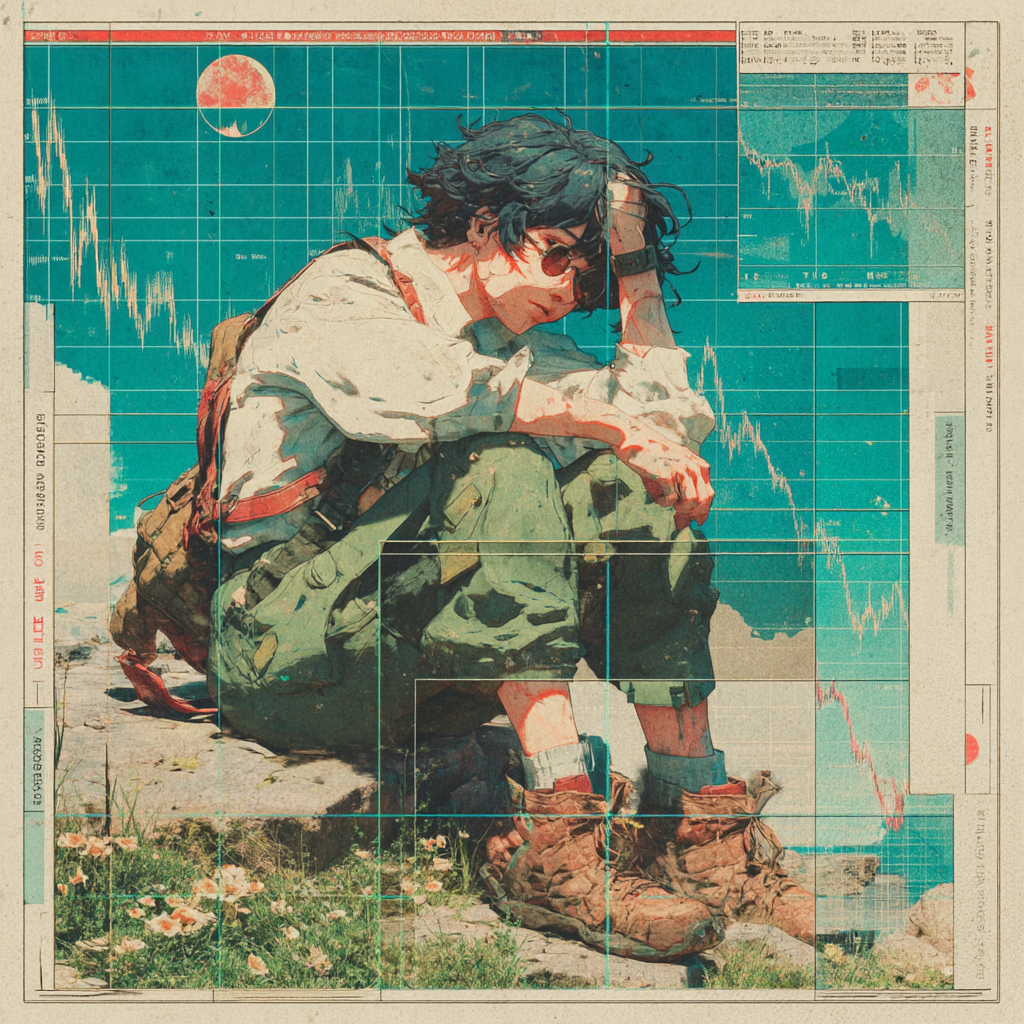
NFT Market Weekly Recap: Platform Shutdowns, Bitcoin NFTs, and the End of Hype
This week in the NFT world felt less like a hype cycle and more like a reckoning.
No champagne-spray announcements. No cartoon apes declaring victory. No “we’re so back” nonsense. Instead, we got something rarer — clarity.
Platforms shut down. Markets consolidated. Old assumptions cracked. New directions quietly took shape. The noise dropped just enough for the signal to come through.
Let’s break down what actually happened — without denial, without doom, and without pretending this space is something it isn’t anymore.
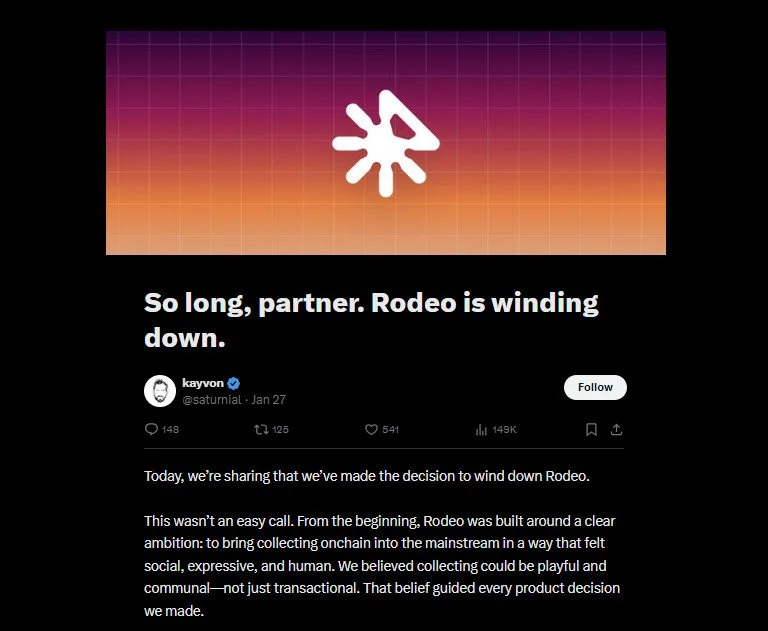
End Of the Rodeo: One More NFT Platform Collapse
We have entered what some are calling the NFT winter, a season of contraction, hardship, and survival tests across the blockchain frontier — and Rodeo is the latest casualty.
In a world that once worshiped NFTs as digital gold, speculative rockets, and cultural badges of honor, the ground beneath many projects has shifted. Rodeo Shuts Down as NFT Platform Closures Accelerate is not just a headline — it’s a signpost in the larger saga of Web3’s evolution.
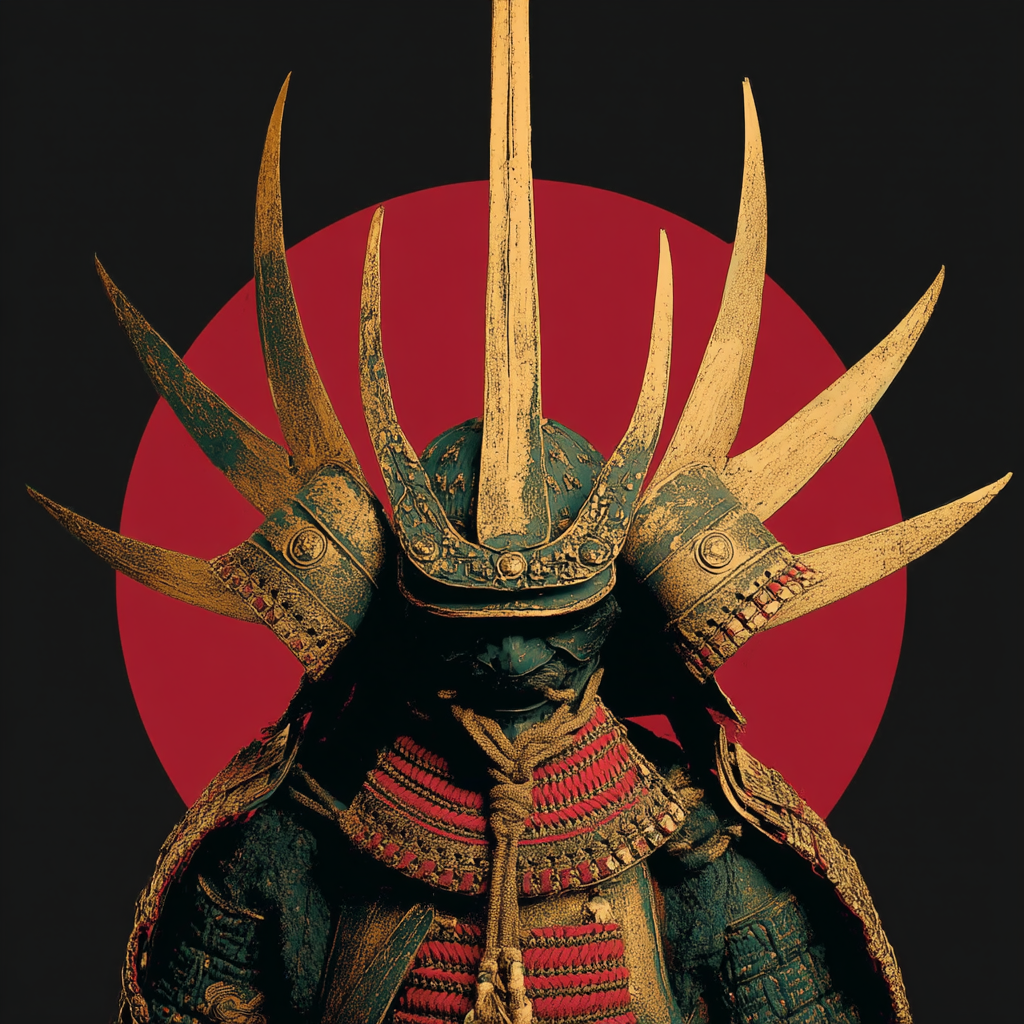
Samurai Erotica Exhibition
This week the art world didn’t whisper — it kicked the door open wearing armor, silk robes, and a scandalous grin.
At the center of the noise? Erotic Samurai art. Ancient Japanese imagery. Warriors with blades in one hand and desire in the other. And suddenly, the internet remembered what it does best: argue, panic, moralize, and misunderstand history in real time.
Let’s talk about it. Not the polite, museum-placard version. The real one.
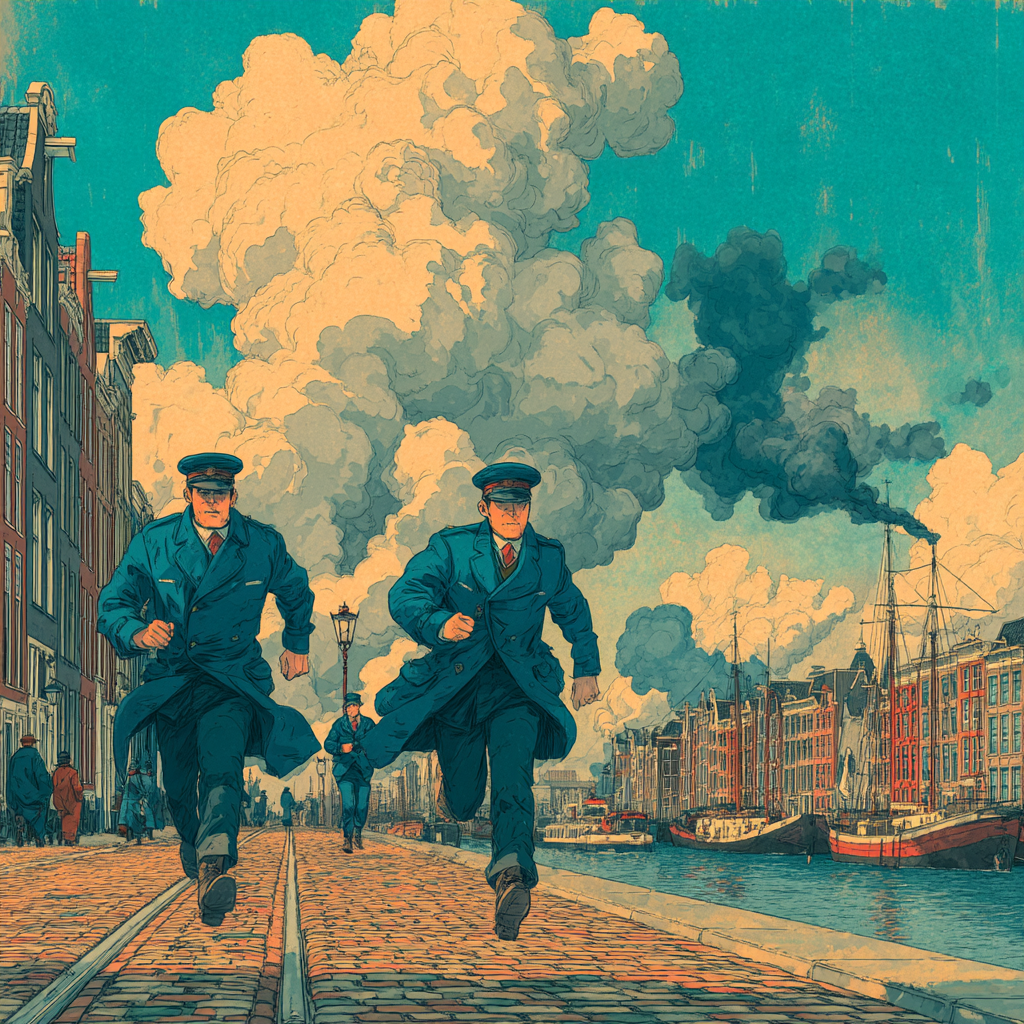
Four arrested following $1.6 million NFT heist in the Netherlands
Another week. Another crack in the glossy illusion of the NFT dream.
This time, the story doesn’t come from Twitter spaces, influencer drama, or a rug-pull Discord vanishing overnight. It comes from the Netherlands, where authorities arrested four individuals connected to a €1.4 million ($1.6 million) NFT theft—a reminder that the digital art world has officially crossed into the same dangerous territory as traditional high-value assets.
NFTs are no longer “just JPEGs.” They are targets.
And that changes everything.
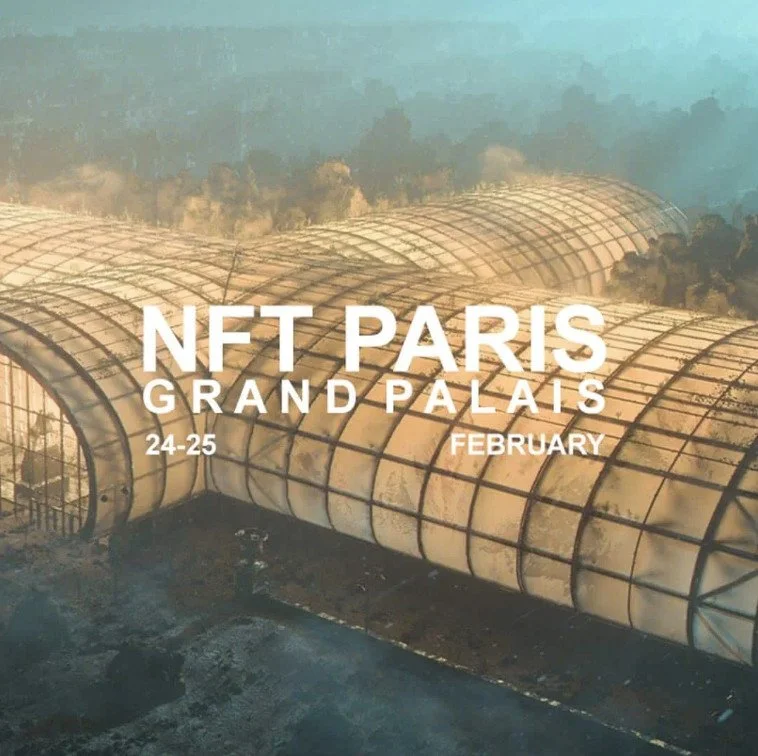
NFT Paris Is Cancelled
Another headline made the rounds in the NFT world, and this one hit quietly. No chaos. No meltdown threads. No panic in the streets. NFT Paris has been cancelled.
For some people, that sentence alone is enough to shout “NFTs are dead.” I don’t see it that way. Not even close. What I see is a market finally being honest with itself.
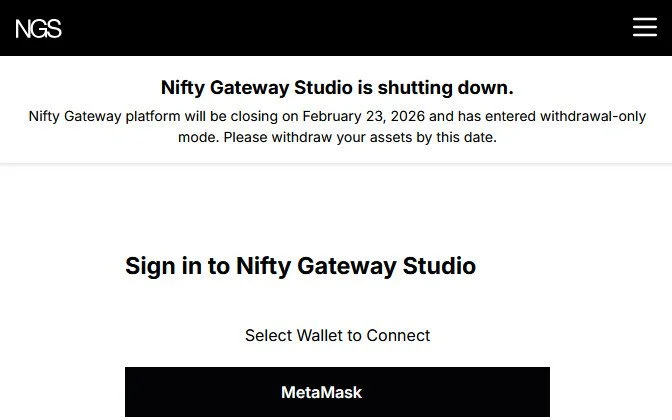
Nifty Gateway Goes Quiet
Another door just closed in the NFT world, not with fireworks, not with a dramatic collapse. But with a quiet announcement that still echoes loud if you’ve been here long enough.
Nifty Gateway — one of the earliest mainstream NFT marketplaces — is shutting down its platform. For many, this is just another crypto headline. For OG collectors and artists, it feels like watching an old battleground fade into memory. Let’s talk about what this really means.

Frida Kahlo Retrospective Opens in Houston
Some artists whisper through history. Others bleed into it.
This year, Houston becomes sacred ground as a major Frida Kahlo retrospective opens at the Museum of Fine Arts Houston—and I’ll say this plainly, from the heart and from the battlefield of art.
I love Frida Kahlo. Not in the polite, academic way. Not in the museum-label way. I love her because she was a warrior, long before Instagram quotes tried to soften that word.
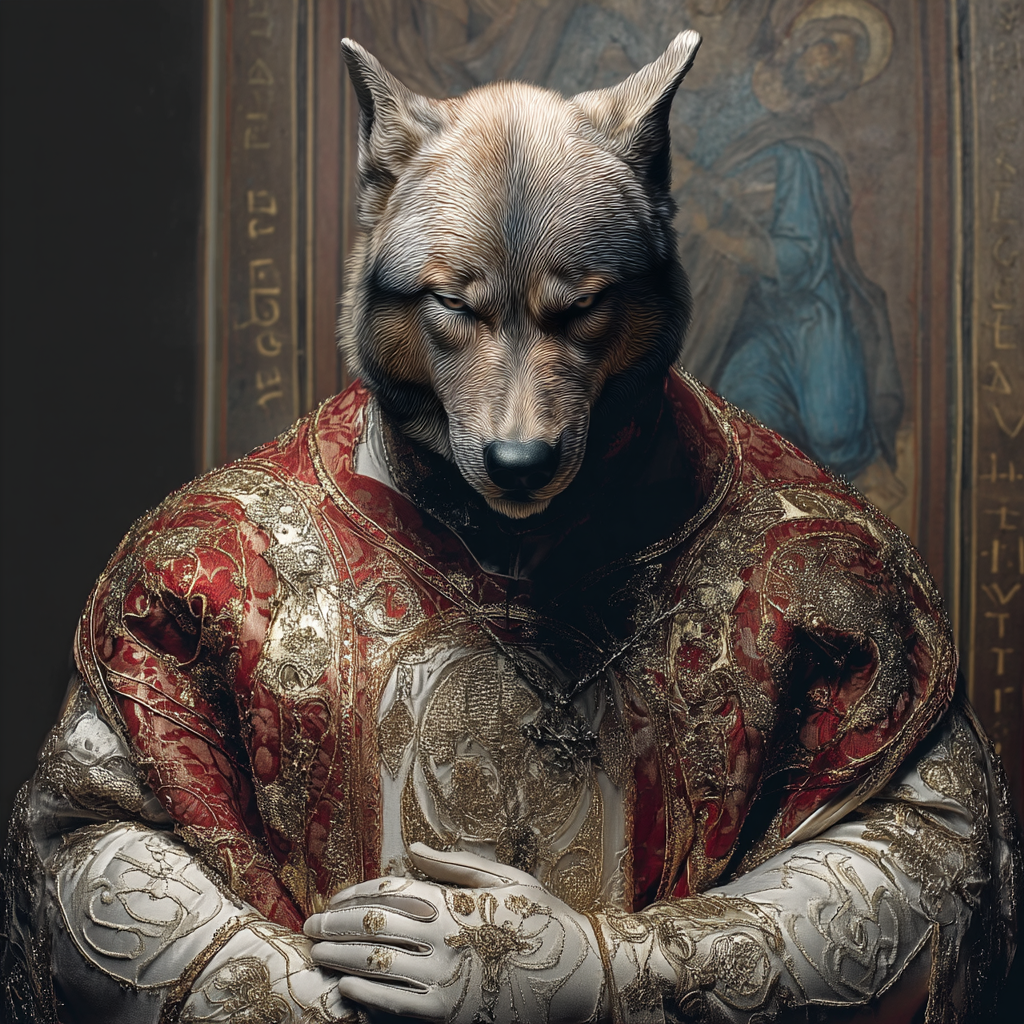
When Art Triggers Outrage: Vienna & Religion
Every so often, the art world does what it has always done best — it presses its finger directly onto society’s most sensitive nerve.
This time, the spark came from Vienna, where a museum exhibition featuring contemporary interpretations of religious imagery ignited backlash from religious groups, conservative commentators, and cultural critics. Accusations flew fast: blasphemy, disrespect, provocation for provocation’s sake.
Some demanded removal.
Others demanded apology.
Others demanded silence.
And art, as usual, refused.
If this feels familiar, it should. Because this isn’t really about Vienna. It’s about something much older — and much deeper.
This is about why art and religion have always collided.
Why museums become battlegrounds.
And why artists keep walking straight into cultural lightning storms even when they know the fire is waiting.
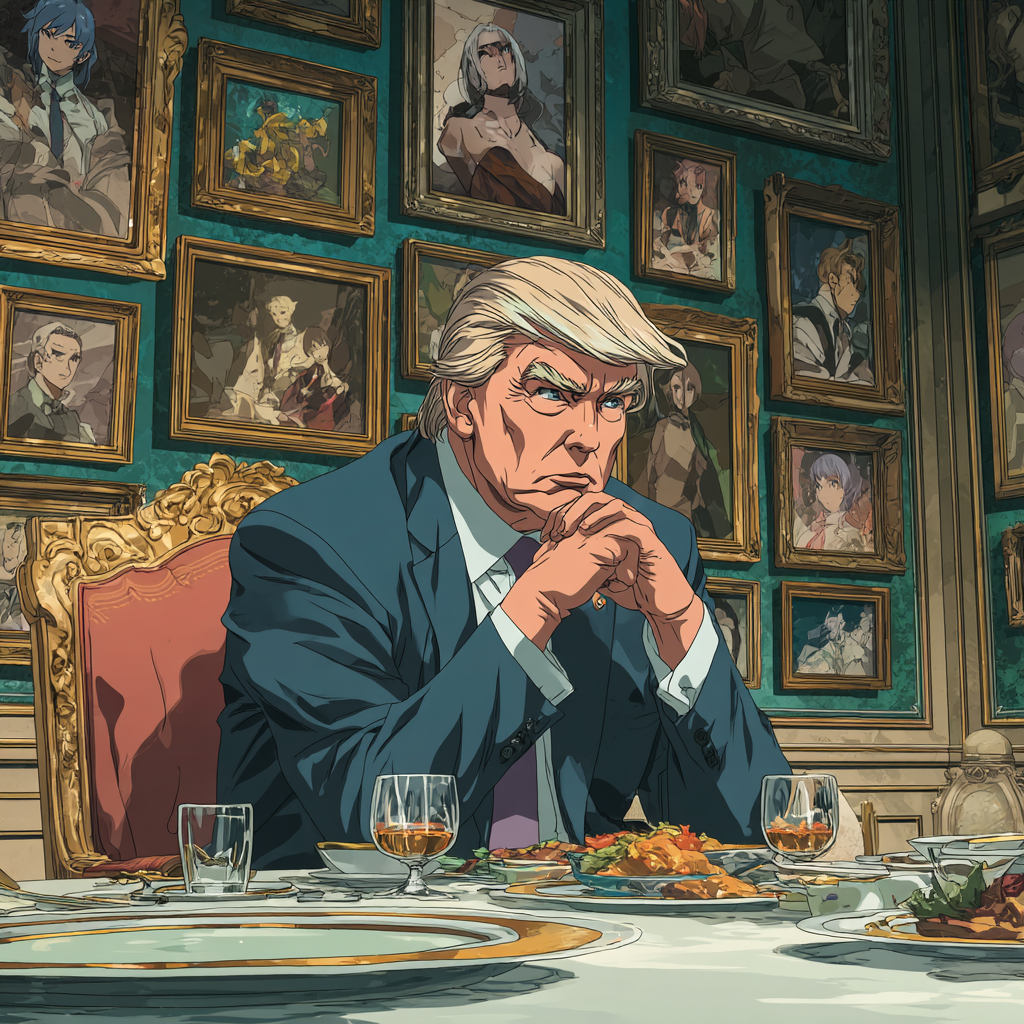
Donald Trump Art Auction
Of course it happened on New Year’s Eve.
Of course it happened at Mar-a-Lago.
And of course it involved Donald Trump, art, religion, money, and controversy — all colliding under crystal chandeliers as champagne glasses clinked and the calendar flipped to 2026.
While most of the world welcomed the new year quietly — reflecting on loss, hope, survival — Trump did what Trump does best: he turned the moment into a spectacle. Not just political. Not just cultural. But symbolic.
At a lavish New Year’s Eve gala hosted at his Mar-a-Lago club in Palm Beach, Florida, Trump presided over a charity auction that would soon ripple through headlines and art circles alike. The centerpiece? A freshly painted, live-created portrait of Jesus Christ, completed in front of the audience and sold for $2.75 million.
This wasn’t just an art sale.
It wasn’t just charity.
It was a mirror held up to our age.
And Warriors — the reflection was uncomfortable.
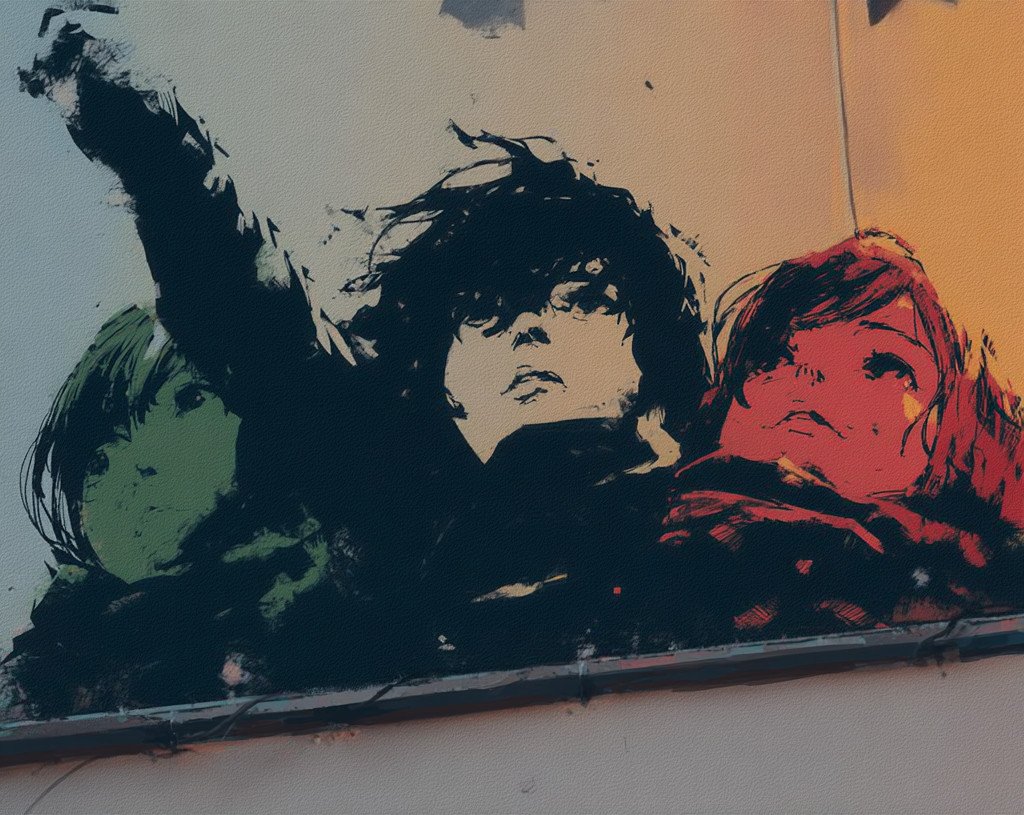
Banksy’s New Drop
Just when you thought 2025 couldn’t get any more Banksy-ish(I’m so funny ), the phantom of street art struck again — right as winter began to whisper its cold secrets across London. The world’s most mysterious artist dropped a new mural so perfectly timed for end-of-year introspection it could’ve been scripted by the North Star itself. Let’s talk about Banksy’s latest London drop, what it might mean, and how it fits into the mythic arc I first dove into in my own piece “A Warrior’s Tale: Banksy”.