
Collector’s Dilemma
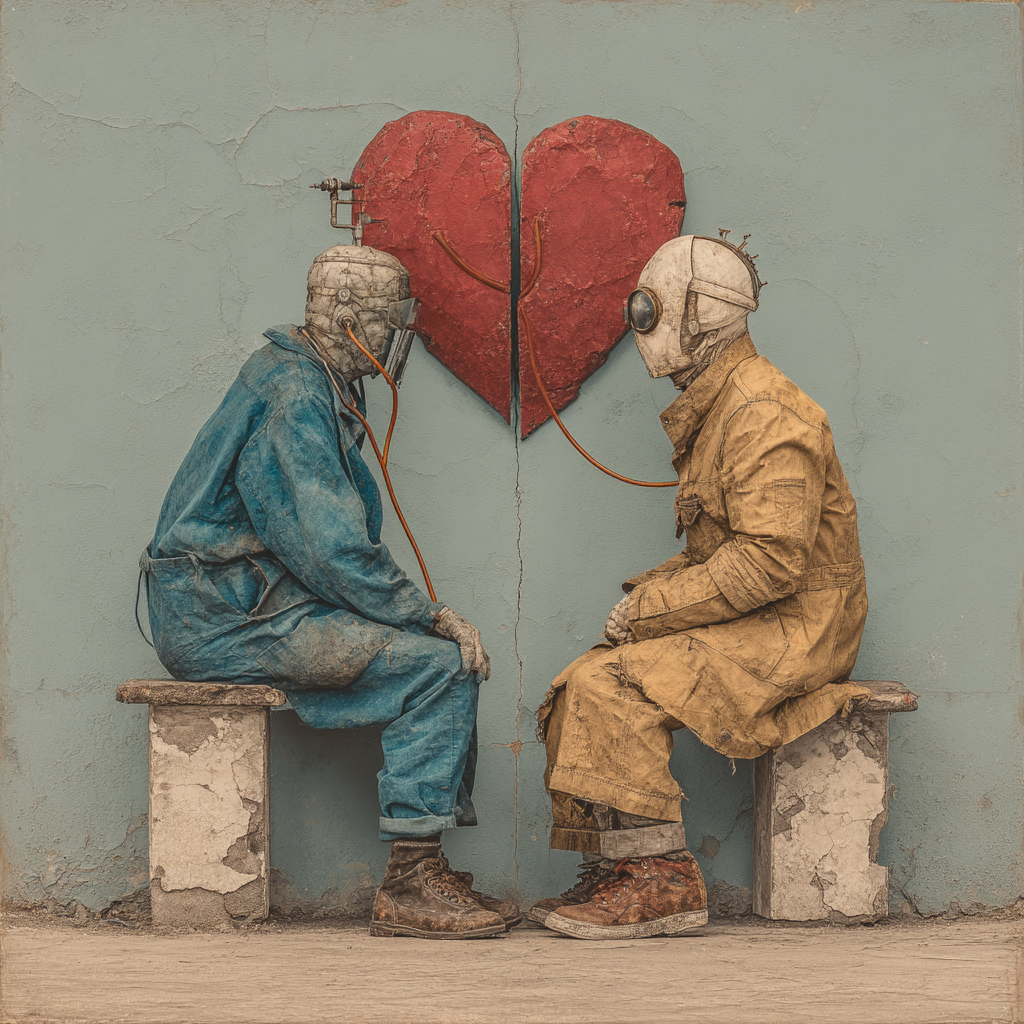
Greetings Warriors!
The art world right now feels… different. Not dead. Not collapsing. Not even quiet. Just… cautious.
You can feel it in the air at fairs, in galleries, in DMs that take a little longer to get answered. The energy hasn’t disappeared—it’s tightened. Like a room where everyone is still talking, but no one is saying exactly what they mean. Because behind every conversation, every viewing, every potential sale… There’s a question sitting quietly in the back of the collector’s mind:
Do I love this… or is this safe?
And that question?
It’s reshaping the entire relationship between artists and collectors in real time.
Check out my poem book!
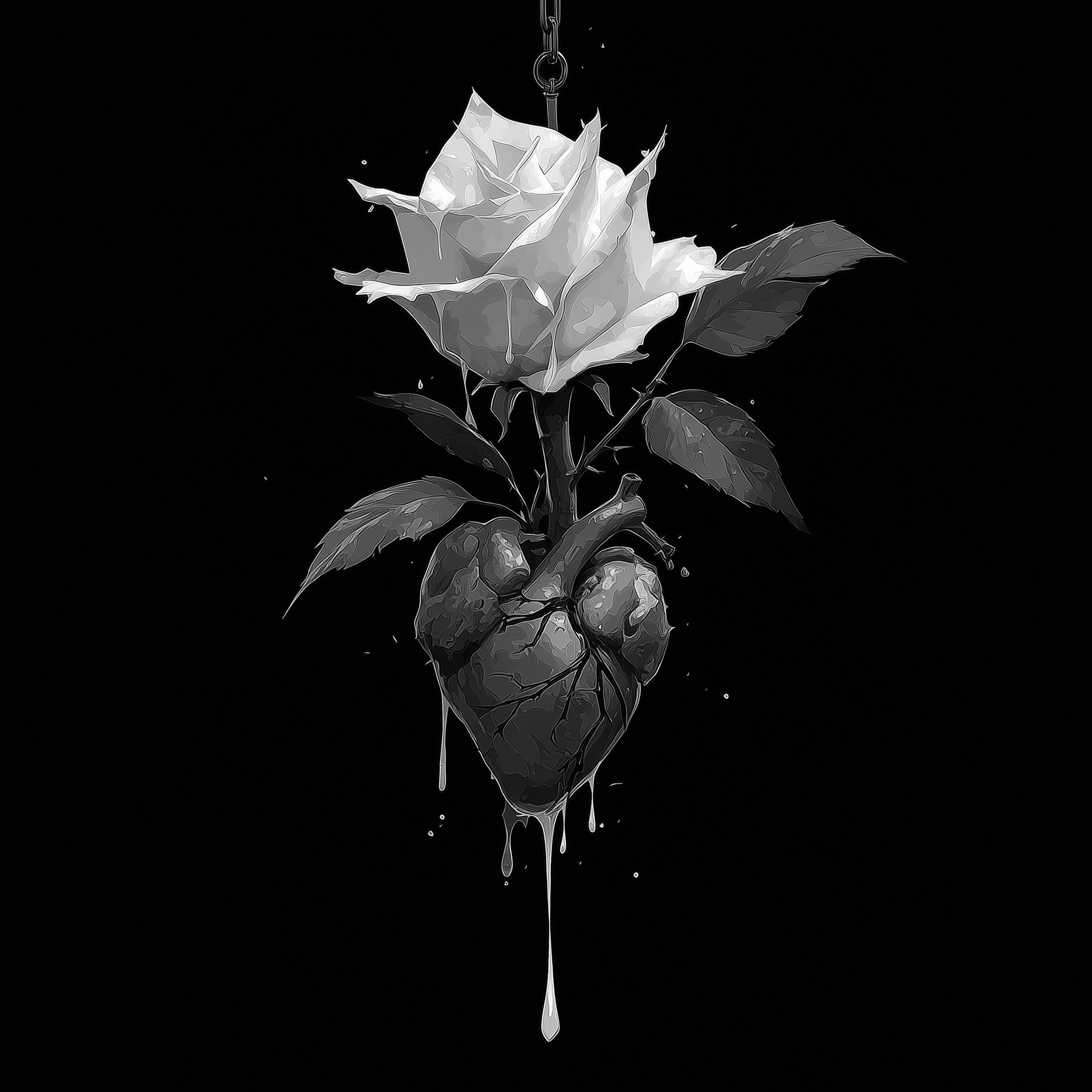
Between the wounds of war and the whispers of love lies the battlefield of the heart. These pages bleed passion, ache with loss, and stand defiant in hope. Step inside, where swords clash with sonnets, and discover that even in chaos, love dares to bloom.
Where love, loss, fear, hope, and memory quietly coexist. Love is not always loud or perfect; sometimes it is heavy, tender, and aching, shaped by time and experience. These words were born from moments of connection and moments of absence, from caring deeply and learning how to let go. Within these pages is an attempt to honor love in all its forms—the kind that holds us together, the kind that breaks us open, and the kind that teaches us how to keep going.
Love vs Safety — The Collector’s Dilemma
In strong markets, collecting feels easy. Almost romantic. You walk into a gallery, see something that hits you in the chest, and think, “I need this in my life”. The decision is emotional, instinctive, driven by connection rather than calculation.
But when the economy tightens, something shifts. Love is no longer enough.
Now the collector is thinking:
Will this hold value?
Is this artist established enough?
What happens if I need to sell this later?
The artwork hasn’t changed. The artist hasn’t changed. But the lens through which it’s being viewed? That’s completely different.
And so the same piece that once would’ve been bought in a heartbeat now sits on the wall a little longer, waiting for someone brave enough—or comfortable enough—to choose love over safety.
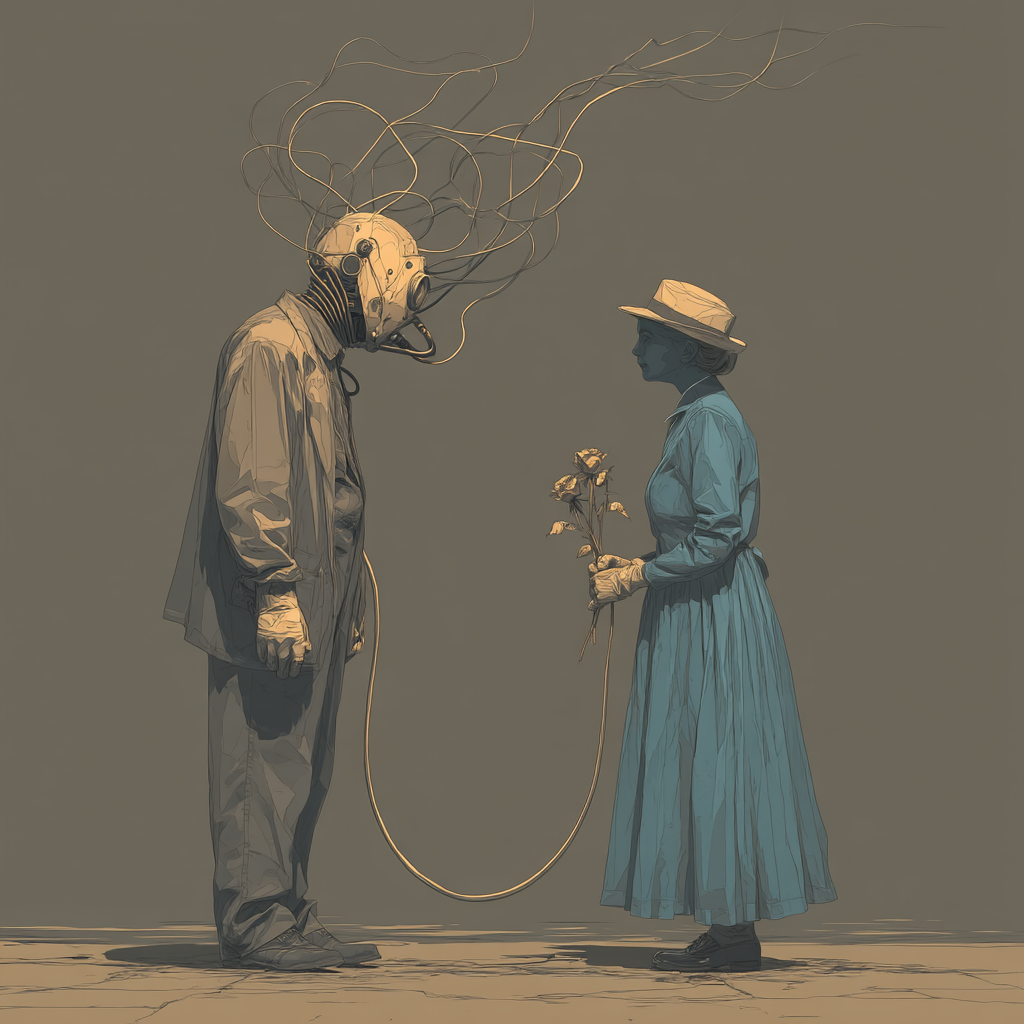
The Artist Feels It First
Artists don’t need market reports to know when things are off.They feel it in slower sales, in fewer inquiries, In conversations that sound interested… but never quite convert.
And here’s the part people don’t talk about enough:
When sales slow down, it doesn’t just impact income. It impacts emotion. Because for an artist, the work isn’t just a product—it’s personal. It’s time, energy, identity, struggle, and sometimes the only thing holding everything together.
So when that work stops moving… It doesn’t feel like a market shift.
It feels like rejection. And that can turn into something heavier.
Frustration.
Doubt.
And yes—sometimes even anger.


When the Pressure Builds
Let’s be honest. Artists are not always calm, balanced philosophers sitting quietly in their studios.
Sometimes they’re tired.
Sometimes they’re broke.
Sometimes they’re watching work they poured their soul into sit untouched while someone else posts nonsense and sells out.
That pressure builds. And when it does, it can spill over. Not always gracefully.
Sometimes it shows up as:
Subtle resentment toward collectors
Public frustration about the market
A feeling that the system is broken
And in some cases… Artists lash out. At collectors. At platforms. At “the art world” as a whole.
Is it always justified? Maybe not.
Is it understandable? Absolutely.
Because when you’ve given everything to your work and the response is silence… Silence can be louder than criticism.
The Pain of Watching Value Drop
Now let’s flip the perspective. Collectors aren’t having a great time either.
Because when markets tighten, something uncomfortable happens; prices start slipping. Works that were once sold at higher prices begin appearing again—sometimes lower, sometimes much lower. And that creates a strange, shared pain.
The artist sees their work selling for less and feels:
undervalued
exposed
misunderstood
The collector sees the same thing and feels:
regret
hesitation
uncertainty about future purchases
It’s one of the few moments where both sides are feeling the same discomfort… just from different angles. And nobody really talks about it openly. Because in the art world, perception is everything.
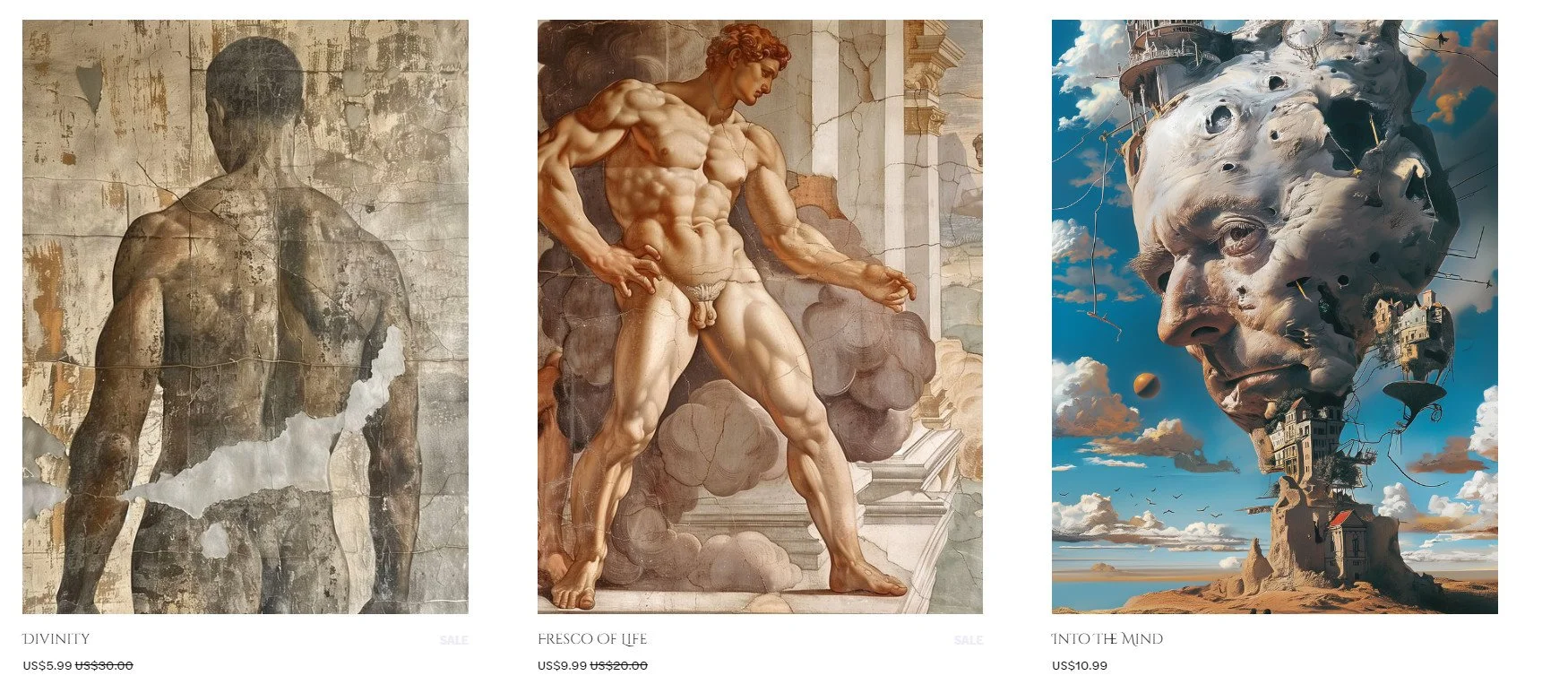
BUY MY ART🖤

From Passion to Transaction
This is where the relationship changes the most. In good times, the artist–collector relationship is fueled by passion. There’s excitement. Curiosity. A sense of discovery.
The collector believes in the artist.
The artist appreciates the collector.
There’s a shared energy.
But when the market tightens… That energy shifts. Slowly, almost invisibly, passion starts to give way to transaction. Collectors analyze more. Artists justify more.
Conversations that once sounded like:
“I love this piece.”
Start to sound like:
“What’s the long-term outlook here?”
And that subtle change? It alters everything. Because once art becomes primarily transactional… The emotional connection weakens. And without that connection, art risks becoming just another asset.
A Relationship Under Pressure
So where does that leave the relationship? Strained—but not broken.
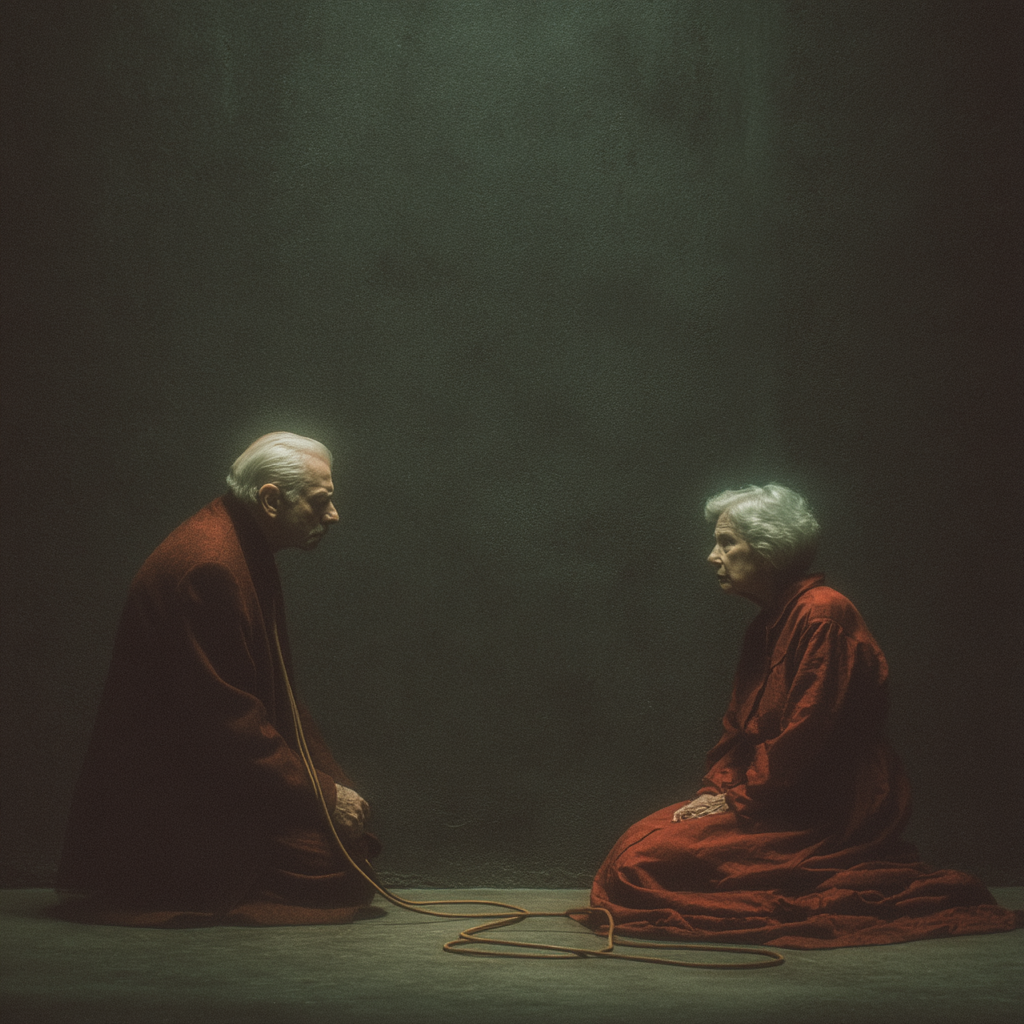
Because here’s the truth, the artist and the collector still need each other.
Always have. Always will.
But moments like this—moments of economic pressure—strip away the illusion. They reveal what’s real. Which collectors are here because they believe in the work… and which ones were just riding momentum.
Which artists can hold their vision under pressure… and which ones bend too quickly to survive. It’s uncomfortable. But it’s also clarifying.

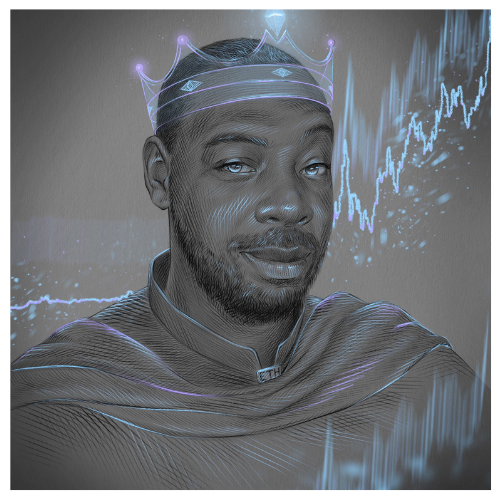
Renaissance Man - Inspired by Leonardo Da Vinci
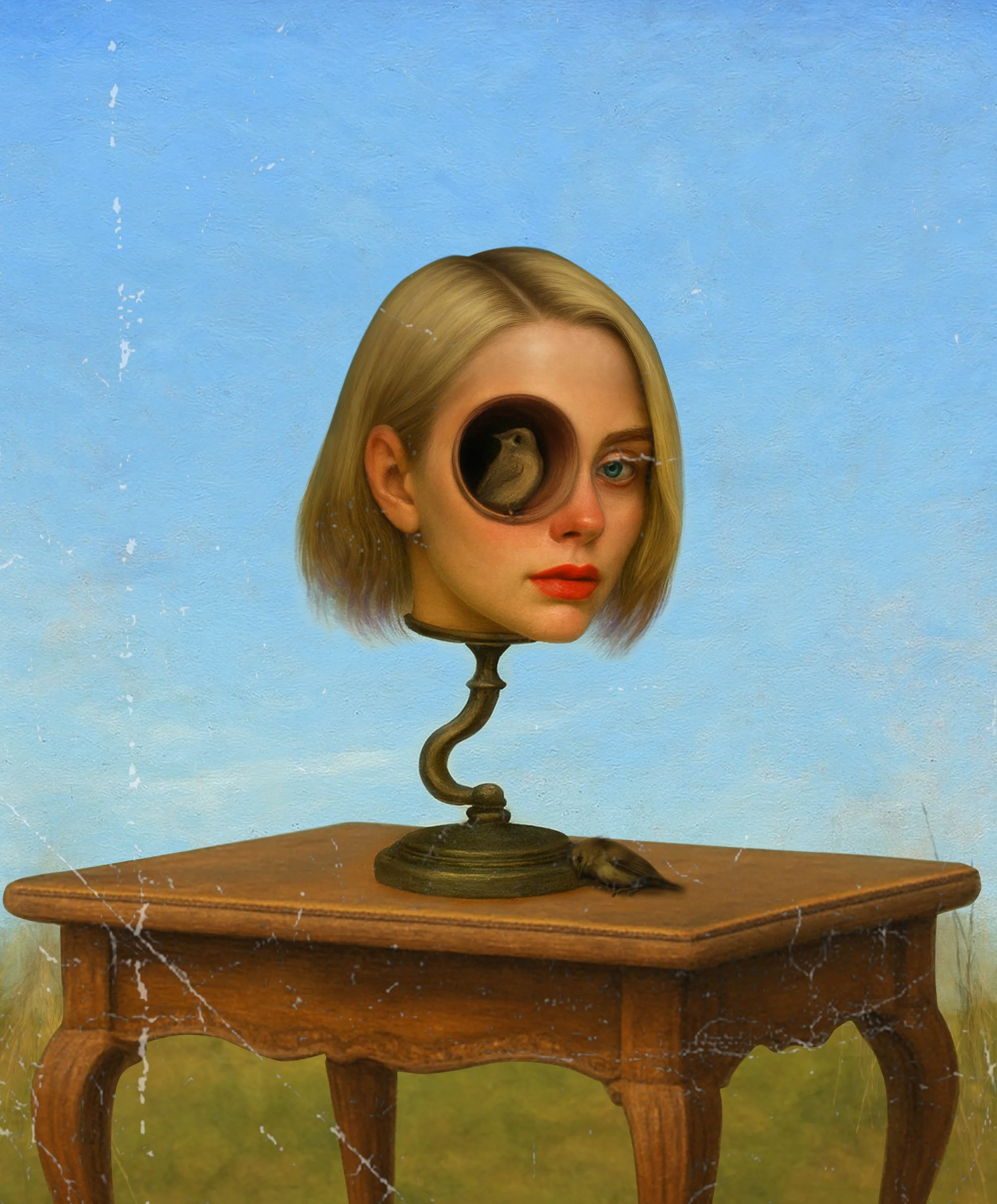
Vosoughi, I Am The Light - 2025
What Survives?
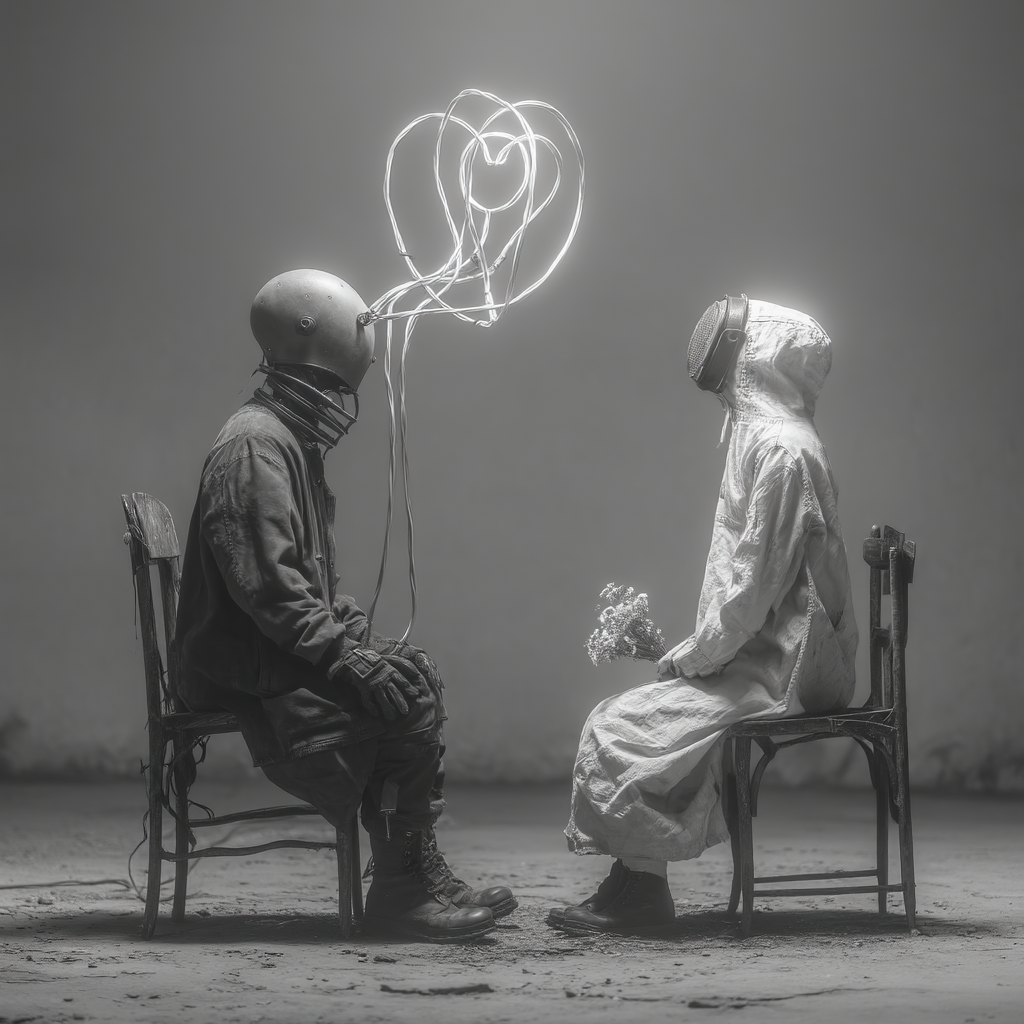
When the noise fades, something interesting happens. The relationship doesn’t disappear, it sharpens. The collectors who stay become more intentional. The artists who endure become more defined.
And the connection between them? It becomes less about hype… and more about trust. Not the loud, celebratory kind of trust.
The quiet kind. The kind that says: “I’m still here.”
Final Thoughts — The Balance Between Love and Risk
At its core, the relationship between artist and collector has always been a balance.
Between:
emotion and logic
belief and caution
love and risk
And right now, that balance is being tested.
Collectors are asking harder questions.
Artists are feeling deeper pressure.
The market is forcing honesty in ways comfort never could.
But maybe that’s not entirely a bad thing.
Because when everything is easy, it’s hard to tell what’s real.
When it’s not? You find out quickly.
Call to Action — Choose What Matters
So here’s the question for both sides:
Collectors—
Are you buying what feels safe… or what you truly connect with?
Artists—
Are you creating for the market… or for something deeper?
Because at the end of the day, the art world doesn’t survive on transactions alone.
It survives on belief.
And belief—real belief—has never been the safest investment.
If you enjoyed this article, you can read more below:
Frida Kahlo Controversy: Why Mexico vs Spain Is Sparking a Cultural Debate