
Winter Art Nostalgia
Greetings Warriors!
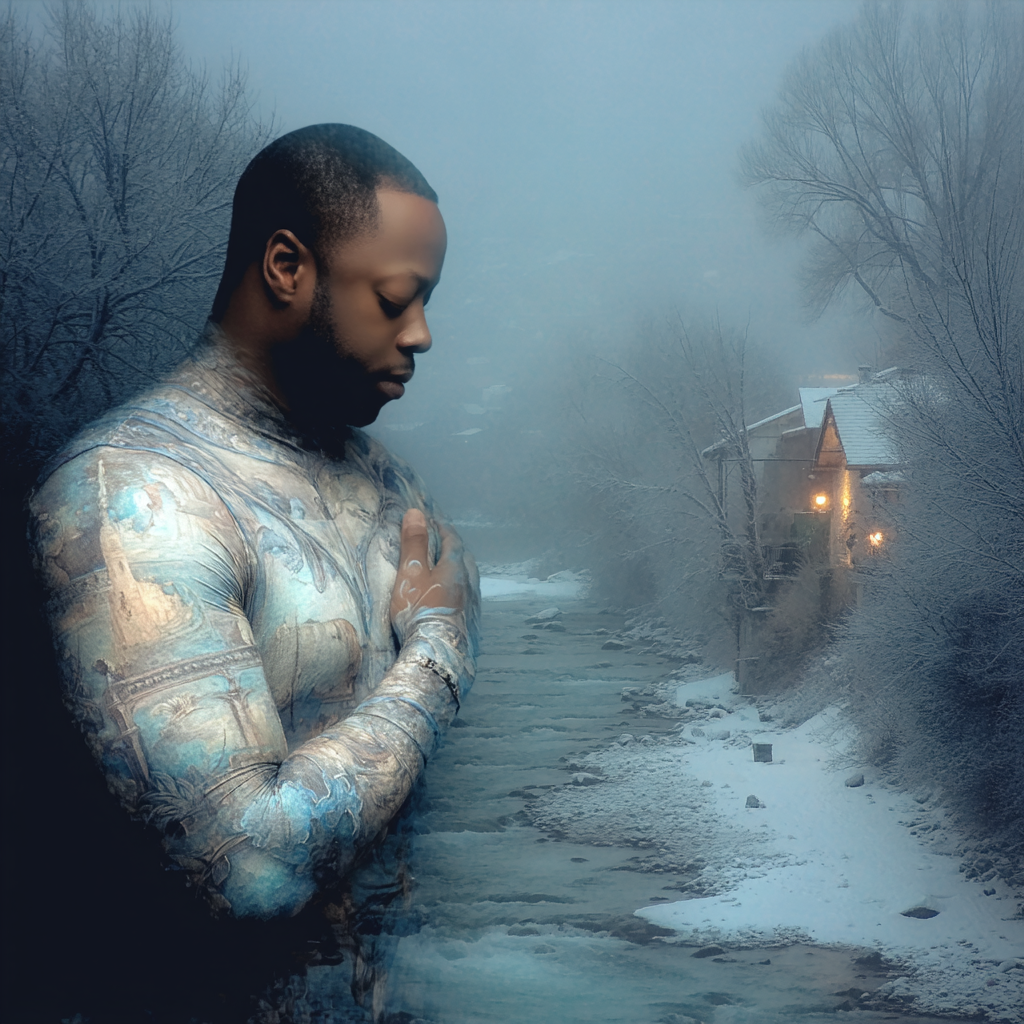
Winter has a way of touching the soul differently than any other season. It slows the world. It hushes the noise. It pulls us inward. And when artists place snow on canvas, film, or screen, it doesn’t just look like frozen water — it feels like memory, healing, stillness, and cinematic poetry. Snow scenes are never just about weather. They are about emotion.
Today, let’s journey into why snow scenes feel nostalgic, peaceful, and cinematic…
why the emotional psychology of winter colors — blues, whites, and silvers — affects our hearts…
and why winter art becomes a form of escape and emotional therapy when life becomes loud and overwhelming.
This is where art meets human psychology, memory, and survival of the spirit.
BUY MY ART🖤

Why Snow Scenes Feel Nostalgic, Peaceful, and Cinematic
Snow is silence made visible.
When snow falls, it wraps the world in quiet. Cars slow. Voices soften. Streets empty. Time almost pauses. That emotional stillness translates powerfully into art. A snow-covered landscape pulls you back into childhood — snow days off from school, steaming breath in cold air, the crunch of boots, the strange magic of the world turning white overnight.
Snow turns chaos into calm.
It removes distractions.
It reduces the world to essentials.
That is why snow scenes often feel cinematic. In film, winter visuals heighten emotion — think of the reflective loneliness of snowy city streets at night, lovers walking beneath softly falling flakes, or a lone warrior in a frozen landscape. Snow brings drama without noise. It turns simple moments into visual poetry. Directors know this. Painters knew it centuries before film existed. Snow gives emotion space to breathe.
Snow also carries memory.
It reminds us of loss and love.
Of childhood and innocence.
Of moments that slipped away too fast.
A snowy painting or scene can make us nostalgic for times we lived and times we never did. It creates a bridge between the past and present. It reminds us of our vulnerability, our softness, and the fragile beauty of being alive.
Snow scenes feel peaceful because they strip life down to silence, and in that silence… we find ourselves.
Emotional Psychology of Winter Colors — Blues, Whites, and Silvers
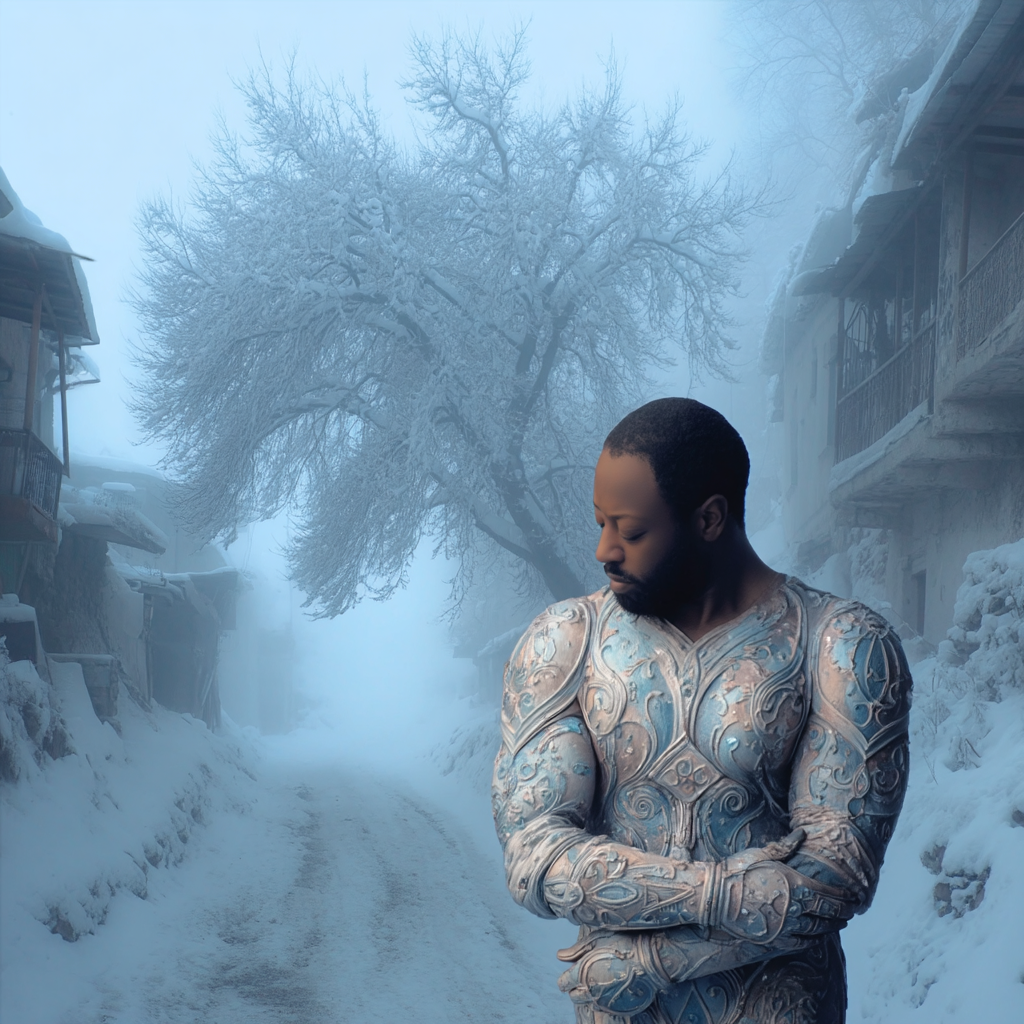
Winter has a color language — and it speaks directly to the human nervous system.
White — Purity, Reset, Emotional Renewal.
White is the color of beginnings. It symbolizes a blank page, a fresh start, cleansing of emotional weight. In winter art, white snow gives the eye rest. It softens harsh edges. It erases chaos. Psychologically, white clears space in the mind, offering calm and renewal.
That’s why winter can feel spiritual. The world is simplified. Purified. Reset.
Blue — Calm, Reflection, Depth of Feeling.
Blue is the heartbeat of winter emotion. Blues in snow shadows, winter skies, icy lakes — they slow the heart rate. Blue reduces anxiety. It invites introspection. It carries both peace and melancholy, reminding us that calm doesn’t always come without weight. Blue is serenity… but also honesty. It asks us to reflect rather than run. And Warriors, sometimes peace isn’t loud joy. Sometimes peace is simply the absence of chaos — a deep breath after a storm.
Silver — Magic, Beauty, and Subtle Power. Silver symbolizes moonlight, frost, and quiet strength. Silver shines without shouting. It’s elegant. Noble. Resilient. It represents endurance in the cold. In winter art, silver highlights bring life to icy landscapes. They shimmer like hope in darkness.
When painters and filmmakers infuse these colors together — cold whites, emotional blues, shimmering silvers — they tap directly into human psychology. We don’t just see winter art. We feel it.
These colors whisper:
Pause.
Reflect.
Heal.
Feel something real.
And our spirits respond.


Winter Art as Escape + Emotional Therapy
In a loud world that never stops, winter art gives us a rare gift: stillness.
Snow scenes allow us to mentally step out of reality. They provide an escape that isn’t about running away — it’s about resting. Winter art becomes emotional therapy because it mirrors what our souls crave: silence, softness, clarity, and emotional honesty.
When life feels heavy, winter imagery tells us:
You’re allowed to slow down.
You’re allowed to breathe.
You’re allowed to just exist for a moment.
Winter art holds space for grief, nostalgia, peace, and hope at the same time. It’s a season that acknowledges pain but doesn’t collapse under it. Instead, it reminds us that even in the coldest moments of life… there is beauty. There is dignity. There is resilience.
Winter teaches Warriors something profound:
Strength isn’t always fire and fury. Sometimes strength is quiet endurance. Sometimes strength is simply standing in the cold… and not giving up.
That is why winter landscapes feel therapeutic. They don’t demand anything from us. They embrace us with calm.
And sometimes, that’s exactly what a Warrior needs.
Winter, Art, and the Warrior Spirit
Winter is the season of truth.
It strips the world of decoration. Leaves fall. Flowers vanish. Only what is strong survives. That applies to humans too. Winter forces honesty. It asks who you are without distractions. That’s why winter scenes resonate deeply with Warriors — because winter reflects resilience.
When artists paint snow, they are not just capturing weather. They are painting endurance. Silence. Reflection. Hope buried beneath cold. They are painting the human soul under pressure… and the light that still glows inside.
BUY MY ART🖤

Final Thoughts — Why We Return to Winter Art Again and Again
We return to winter art because it feels like home — not a loud home, not a chaotic one — but a quiet sanctuary inside the heart. Snow scenes are peaceful, nostalgic, emotional, and beautifully cinematic because they remind us of life’s softer moments… even when life has been hard.
They allow us to sit with memory.
To reconnect with emotion.
To feel safe in stillness.
Winter art whispers to us: Heal. Rest. Remember who you are.
And like true Warriors… rise again when the thaw returns. And we do.
Because even in the deepest snow… there is always light.
Always.
— King Romulus / The Warrior’s Pen

Renaissance Man - Inspired by Leonardo Da Vinci
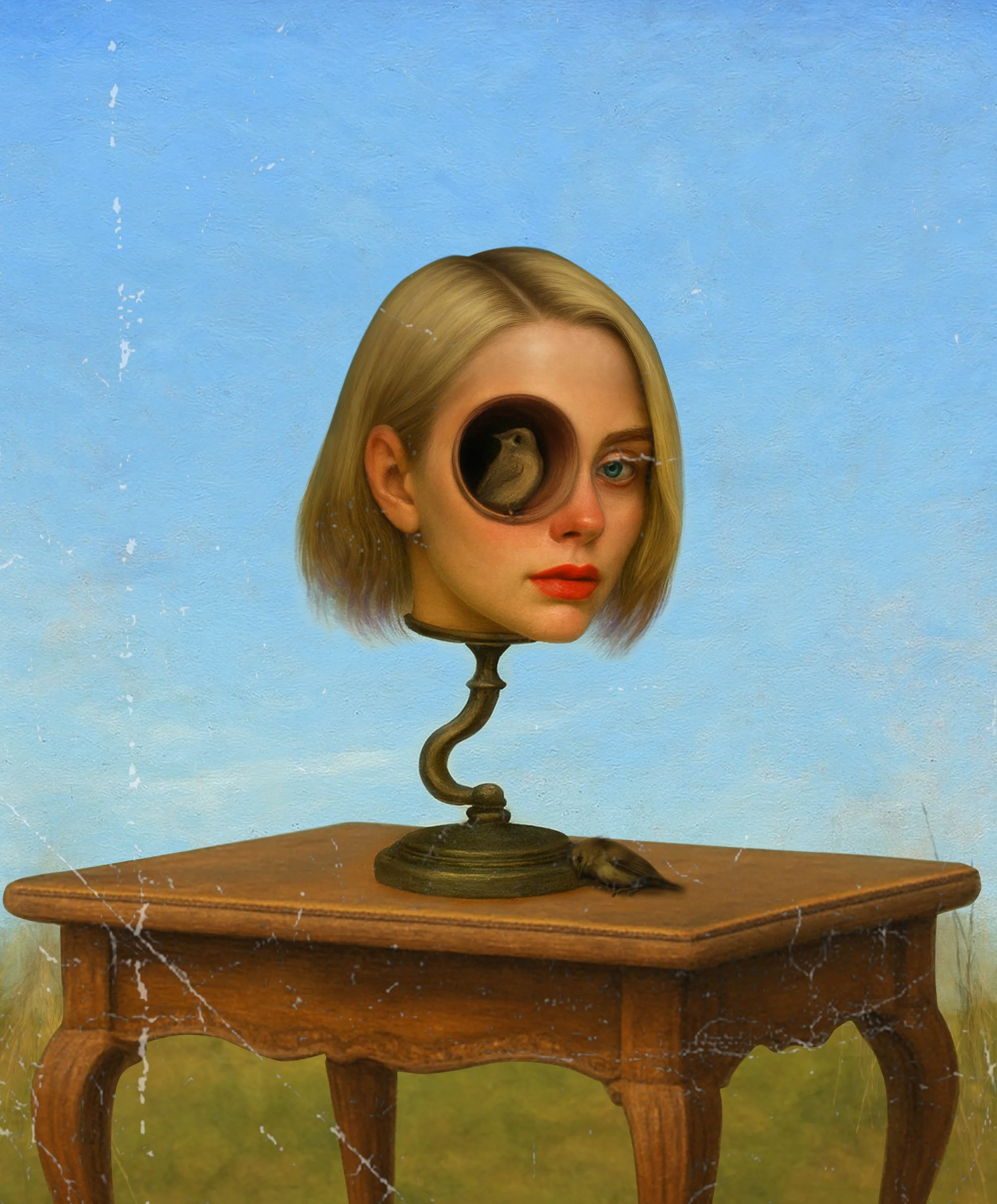
Vosoughi, I Am The Light - 2025