
The History of Easter and Its Timeless Influence on Art
Greetings Warriors,
I felt compelled—almost pulled—to write about the history of Easter and how this powerful story has inspired some of the most beautiful art the world has ever seen. I’m no historian or art expert, just a guy who respects the warrior mindset of turning darkness into light and who sees art as a way to capture hope, resilience, and triumph. Easter’s message of resurrection hits different when you’ve faced your own battles. So here we go—my breakdown of Easter’s history and its deep connection to art.
Where love, loss, fear, hope, and memory quietly coexist. Love is not always loud or perfect; sometimes it is heavy, tender, and aching, shaped by time and experience. These words were born from moments of connection and moments of absence, from caring deeply and learning how to let go. Within these pages is an attempt to honor love in all its forms—the kind that holds us together, the kind that breaks us open, and the kind that teaches us how to keep going.
Why Easter and Art Deeply Resonate With Me
Easter represents the ultimate underdog victory—death defeated, hope rising from the darkest moment. As someone who came from tough beginnings and learned that where there is a will there’s a way, this story of resurrection speaks straight to my warrior heart. Art has always been the way humans process big emotions, and Easter has given us some of the most moving examples across centuries. Whether it’s a painting, a decorated egg, or a modern digital piece, the theme of new life after sacrifice feels timeless. I see parallels in the NFT world where creators pour their soul into 1/1 art that inspires and connects people. This article is my way of sharing that appreciation.

The Ancient Roots of Easter: From Passover to Christian Resurrection
The history of Easter goes back to the Jewish festival of Passover, or Pesach. Jesus’ crucifixion and resurrection happened during Passover week around 30–33 AD. Early Christians, many of them Jewish, saw Jesus as the ultimate Paschal Lamb whose sacrifice brought spiritual freedom. They called the celebration Pascha, linking it directly to Passover. By the 2nd century, Christians were marking the resurrection annually. Debates about the exact date led to the First Council of Nicaea in 325 AD, which set Easter as the first Sunday after the first full moon following the spring equinox. This unified the church while keeping the lunar tie to Passover. The core message has always been hope rising from sacrifice—the ultimate comeback story.
The Mystery of the Name "Easter" and Cultural Evolution
In most languages Easter is still called some form of Pascha, directly tying it to Passover. But in English and German it became “Easter,” possibly from the Old English month Ēastre, named after a spring goddess mentioned by the Venerable Bede in the 8th century. Historians debate how much pagan influence there really was—there’s no strong evidence of a full-blown pre-Christian festival being “stolen.” Instead, as Christianity spread, missionaries often adapted local spring customs of renewal to make the faith relatable. The name may simply reflect the season of new life. Either way, the heart of Easter remains the resurrection, not any ancient goddess.
Easter Traditions and Symbols That Inspired Artistic Expression
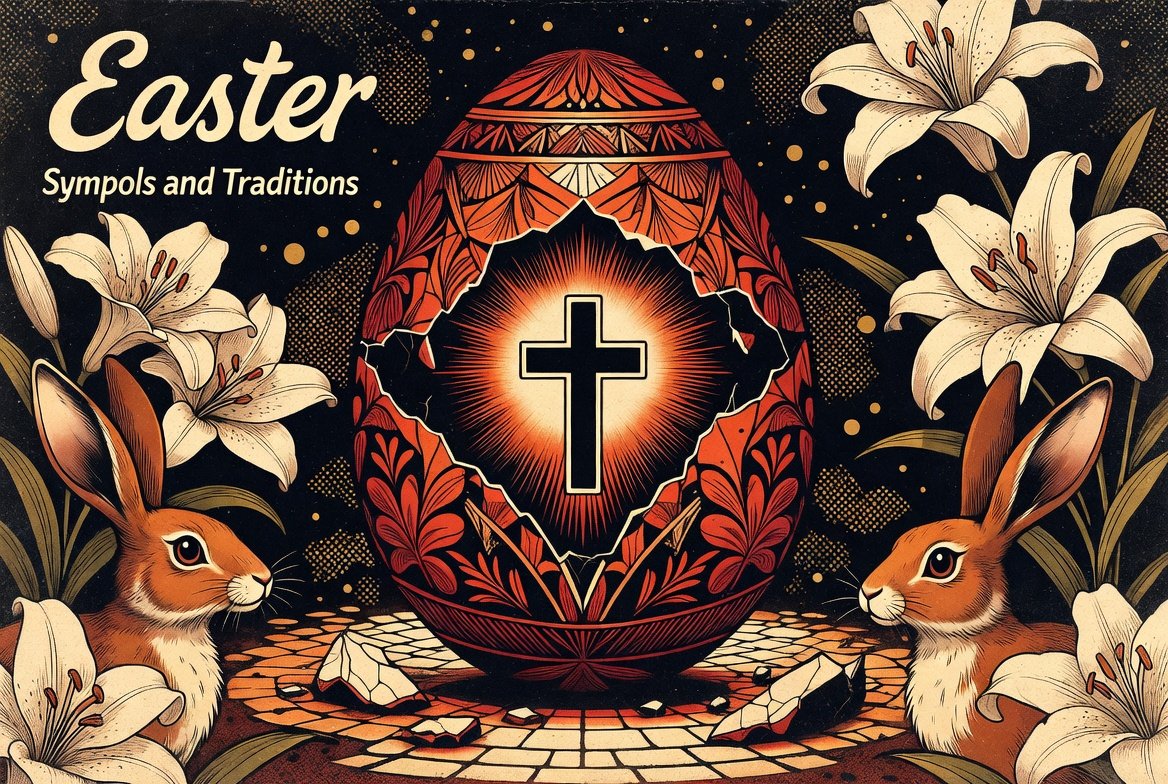
Easter eggs, the bunny, hot cross buns—these traditions carry deep meaning and have inspired countless artists. In early Christianity, red-dyed eggs symbolized Christ’s blood and the empty tomb. Ukrainian pysanky eggs use wax-resist techniques to create intricate patterns representing eternity, the Trinity, and protection. The Easter hare and egg hunts evolved in German folklore and spread worldwide. These symbols became rich subjects for art because they perfectly capture the idea of new life bursting forth. From medieval illuminated manuscripts to modern digital pieces, artists have turned these traditions into visual poetry.
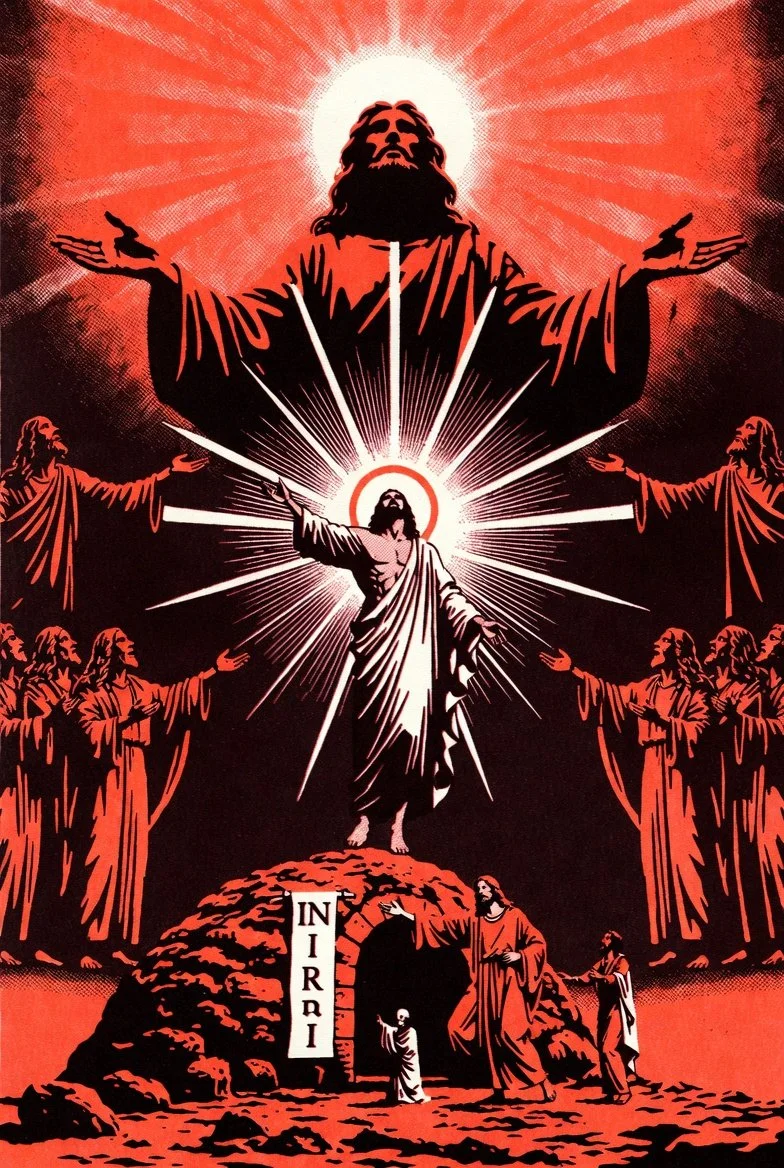
Famous Easter Art Masterpieces: The Resurrection in Painting
Easter has inspired some of the greatest paintings ever created. Piero della Francesca’s serene The Resurrection (c. 1463) shows Christ stepping triumphantly from the tomb. Raphael’s glowing Resurrection of Christ (c. 1499–1502) captures divine energy. Carl Heinrich Bloch’s 1881 version with arms raised in victory is still reproduced in churches worldwide. El Greco and Giovanni Bellini added ethereal drama. Other iconic works include Leonardo da Vinci’s The Last Supper, Michelangelo’s Pietà, and Titian’s Noli Me Tangere. These masterpieces use light, composition, and emotion to make the resurrection feel alive.

How Christianity and Religion Have Inspired Thousands of Beautiful Artworks
Christianity has inspired thousands of the world’s most beautiful and iconic artworks—literally tens of thousands of masterpieces across two thousand years. From Renaissance altarpieces to Baroque drama, from medieval manuscripts to contemporary installations, religion (especially Christianity) remains one of the greatest muses in human history. Churches and cathedrals became living galleries. Artists like Michelangelo, Leonardo, Raphael, Rembrandt, and Rubens poured their genius into telling the Easter story. Even today, faith continues to fuel creators in every medium, including digital art and NFTs. The themes of sacrifice, hope, and renewal are universal and timeless.
Easter Art in Today's World: Finding Light, Hope, and Strength
In our fast-paced world, Easter art still brings comfort and inspiration. Whether it’s a classic painting hanging in a museum, a hand-decorated egg passed down in families, or a fresh digital 1/1 piece, the message stays the same: light overcomes darkness. For me, it ties perfectly into the warrior mindset—anything is possible, kindness and resilience can change everything. I see the same spirit in the NFT community where artists create from the heart and build real connections. Easter reminds us that even after the toughest battles, new life and beauty can emerge.
These are just my random thoughts on the history of Easter and its beautiful relationship with art. I’m still here learning and appreciating how faith and creativity intersect. If this resonated with you or you have your own take on Easter art, drop a comment below—I read every one.
Thank you for reading, Warriors.
Stay strong, keep creating, and never forget that hope always rises.
If you enjoyed this article, you can read more below:
Frida Kahlo Controversy: Why Mexico vs Spain Is Sparking a Cultural Debate