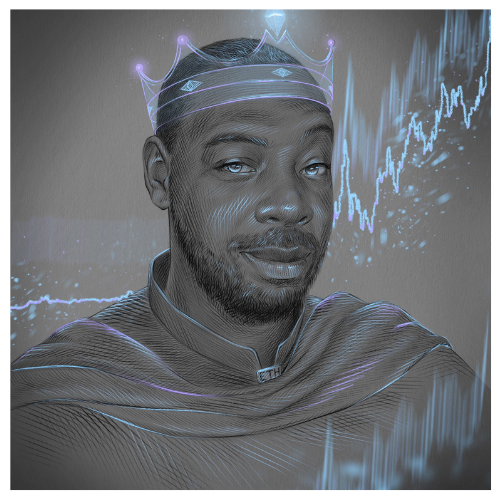

Warrior’s Tale: Who Is Beeple?
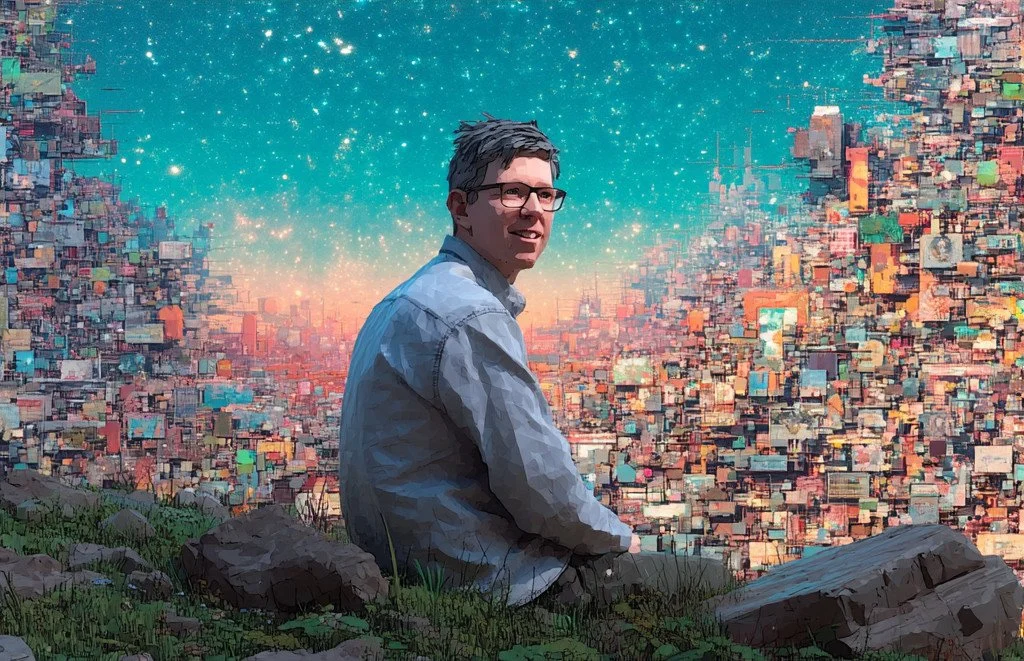
Greetings Warriors!
I didn’t wake up one morning thinking I’d write about a guy who sells JPEGs for the price of a small country’s GDP. And yet—here we are. Because if you care about art, power, money, gatekeepers, or how the internet keeps embarrassing old institutions, you can’t ignore Beeple.
Love him or hate him, Beeple didn’t politely knock on the art world’s door. He kicked it in, tracked digital mud all over the white marble floors, and then charged admission.
This is not a hype piece. This is not a takedown either. This is a warrior’s examination of how discipline, obsession, timing, and the internet collided to permanently alter art history.
Check out my poem book!
Where love, loss, fear, hope, and memory quietly coexist. Love is not always loud or perfect; sometimes it is heavy, tender, and aching, shaped by time and experience. These words were born from moments of connection and moments of absence, from caring deeply and learning how to let go. Within these pages is an attempt to honor love in all its forms—the kind that holds us together, the kind that breaks us open, and the kind that teaches us how to keep going.
Who Beeple Really Is (Before the Millions)
Before the headlines. Before Christie’s. Before the think pieces. Beeple was just Mike Winkelmann, a graphic designer from Wisconsin. No silver spoon. No art-world lineage. No secret cabal of collectors grooming him for greatness. Just a man, a computer, and an idea that sounded insane at the time: make one piece of digital art every single day.
Every day.
No breaks. No vacations. No “I’m not feeling inspired today.”
He started this daily practice in 2007. At that point, social media barely existed in its modern form. Instagram wasn’t a thing. NFTs weren’t even a thought experiment. The art world still smelled like oil paint and gatekeeping. And Beeple kept going. Day after day. Year after year. This part matters more than the money ever will.
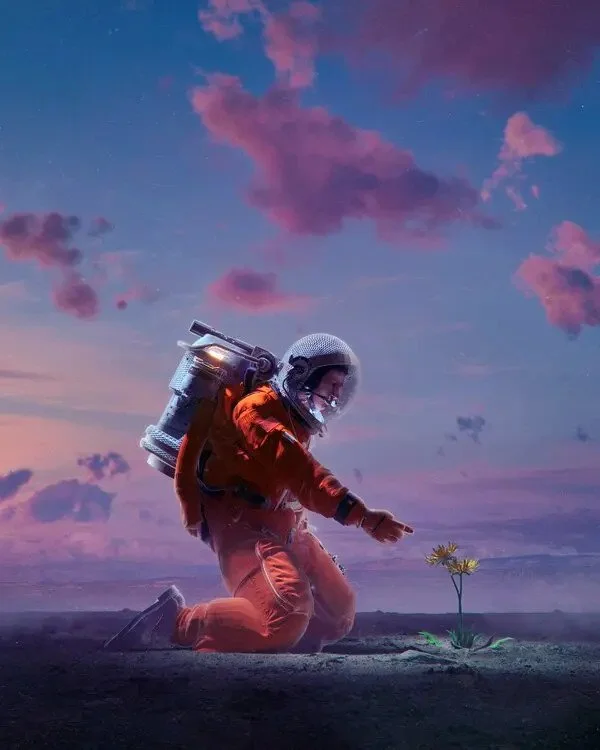
The Power of Showing Up (When Nobody Is Watching)
Here’s the part that never gets enough attention: Beeple spent over a decade making art that most of the “serious” art world ignored. No museum validation. No critics fawning. No gallery dinners. Just the grind.
This is where the warrior lesson lives. While everyone else was waiting for permission, Beeple was stacking reps. While others debated whether digital art was “real,” he was improving. That daily practice did something dangerous: it removed fear from the process.
When you’ve already made 3,000 imperfect works, the idea of making a bad one stops scaring you. Perfectionism dies. Output wins. The art world hates this idea, by the way.


Enter the Internet (The Great Equalizer)
Beeple didn’t need galleries. He had the internet. He posted relentlessly. He shared his process. He didn’t pretend to be mysterious. He didn’t wear black turtlenecks or speak in riddles. He just… showed the work. Slowly, the audience grew. Designers. Gamers. Tech people. Internet weirdos. Not the usual museum crowd. This was art built for screens, not pedestals. And whether critics liked it or not, screens were becoming the dominant way humans experience reality. The gatekeepers didn’t see the wave coming.
The $69 Million Earthquake
Then came 2021. Christie’s auctions Beeple’s collage Everydays: The First 5000 Days. Final price: $69.3 million.
Cue the collective choking sound from the art establishment. Suddenly, the same people who dismissed digital art were scrambling to explain it. Museums rushed statements. Critics rushed essays. Everyone pretended they’d always known this was inevitable. They hadn’t. This wasn’t just a sale. It was a humiliation ritual. A reminder that the art world does not control culture anymore.
BUY MY ART🖤

Why That Sale Made Everyone Uncomfortable
Let’s be honest. The money wasn’t the real problem. The problem was this: Beeple didn’t come up through their system.
No elite MFA pipeline. No gallery grooming. No slow climb through approved institutions. He bypassed it all. That terrifies gatekeepers more than any abstract canvas ever could. Because if Beeple could do it, others could too.

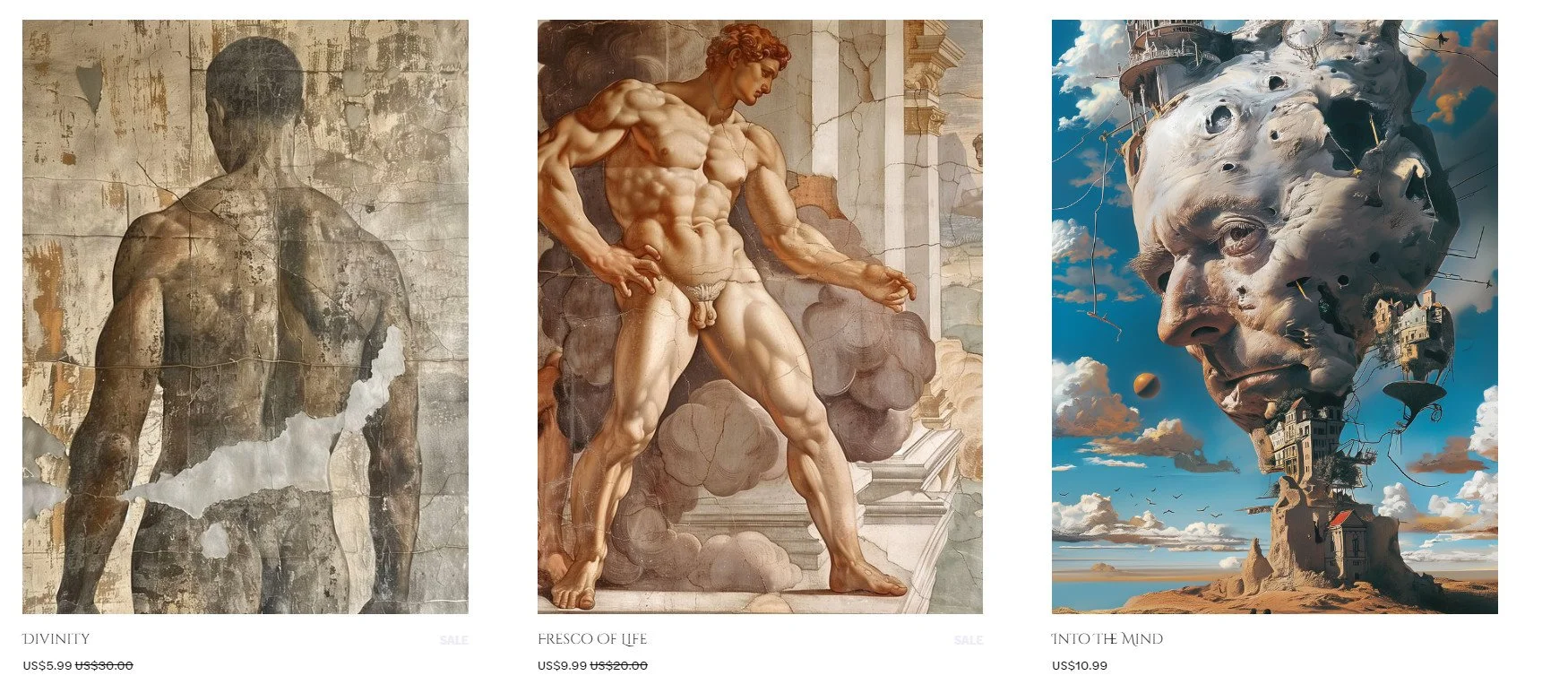
Renaissance Man - Inspired by Leonardo Da Vinci
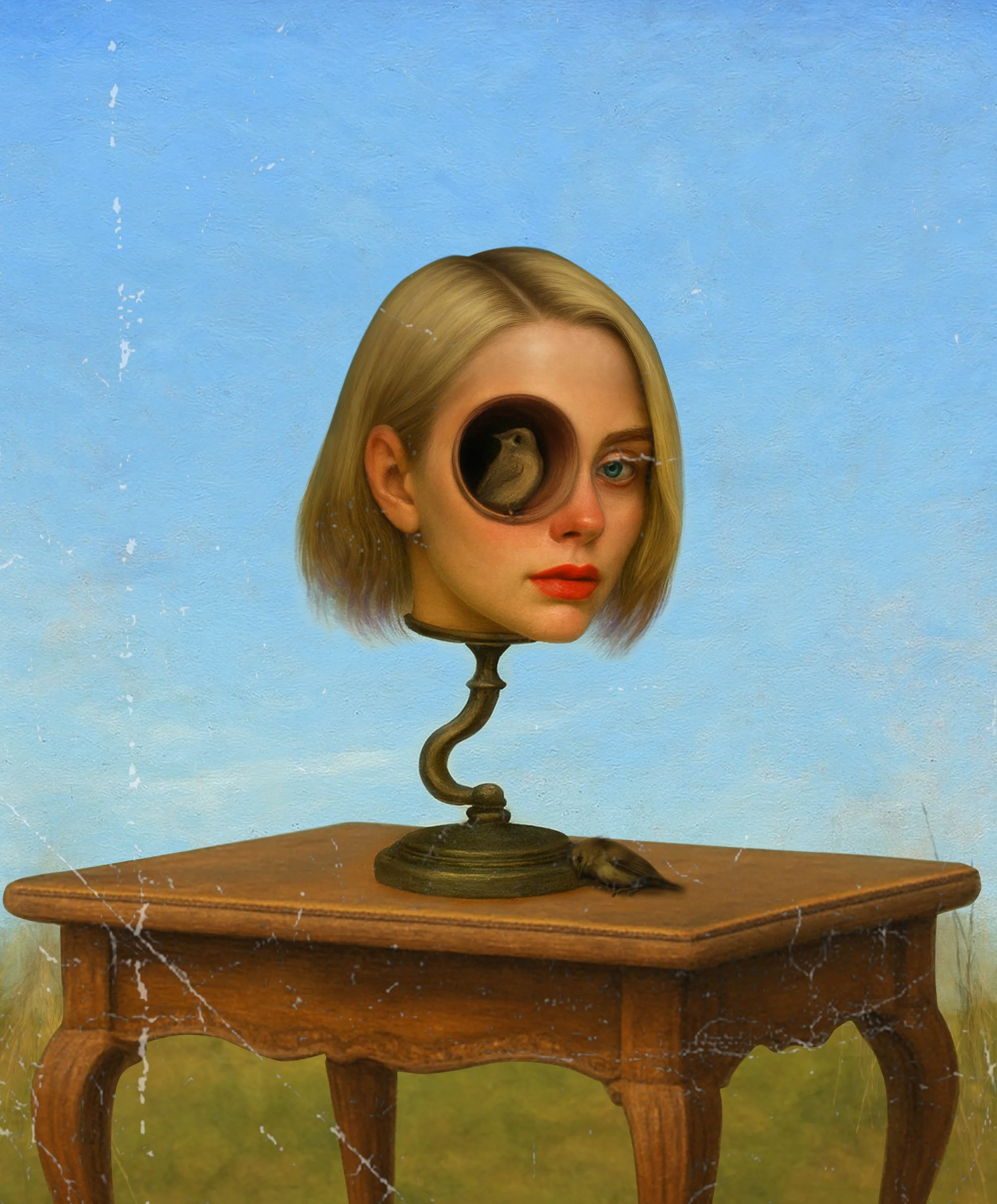
Vosoughi, I Am The Light - 2025
Is Beeple a Genius or Just a Product of Hype?
This is the favorite argument. Critics love to say the prices were “just hype.” As if hype appears out of nowhere like a weather event. Here’s the uncomfortable truth. Hype follows momentum, and momentum follows consistency. Beeple didn’t become relevant because of NFTs. NFTs became relevant because they collided with creators who already had massive audiences. That’s not luck. That’s leverage.
The Art Itself (Let’s Talk About It)
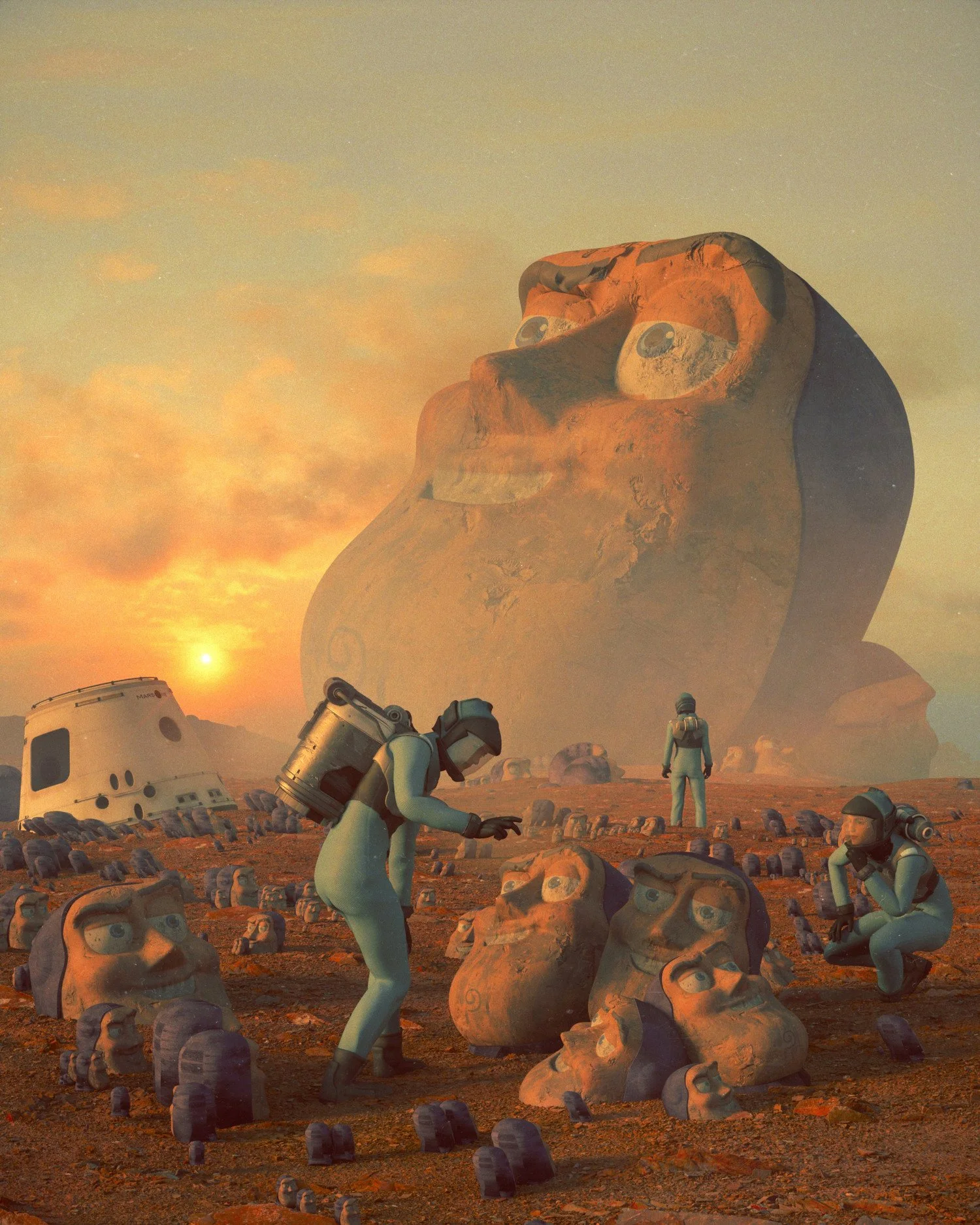
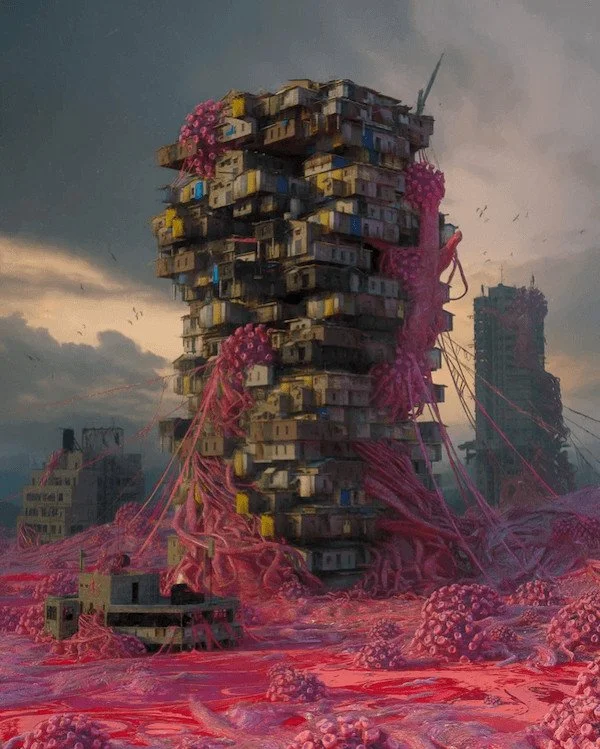
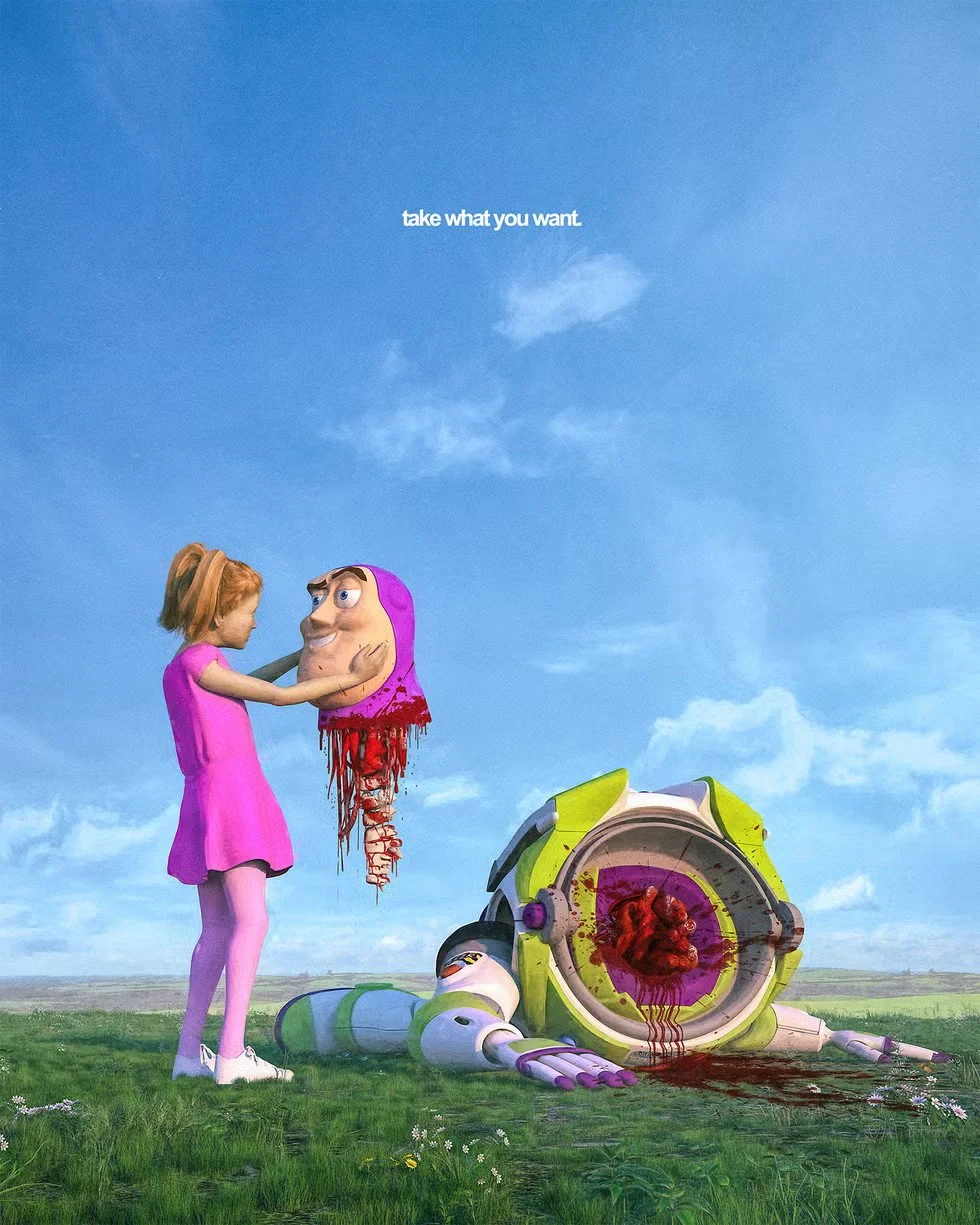
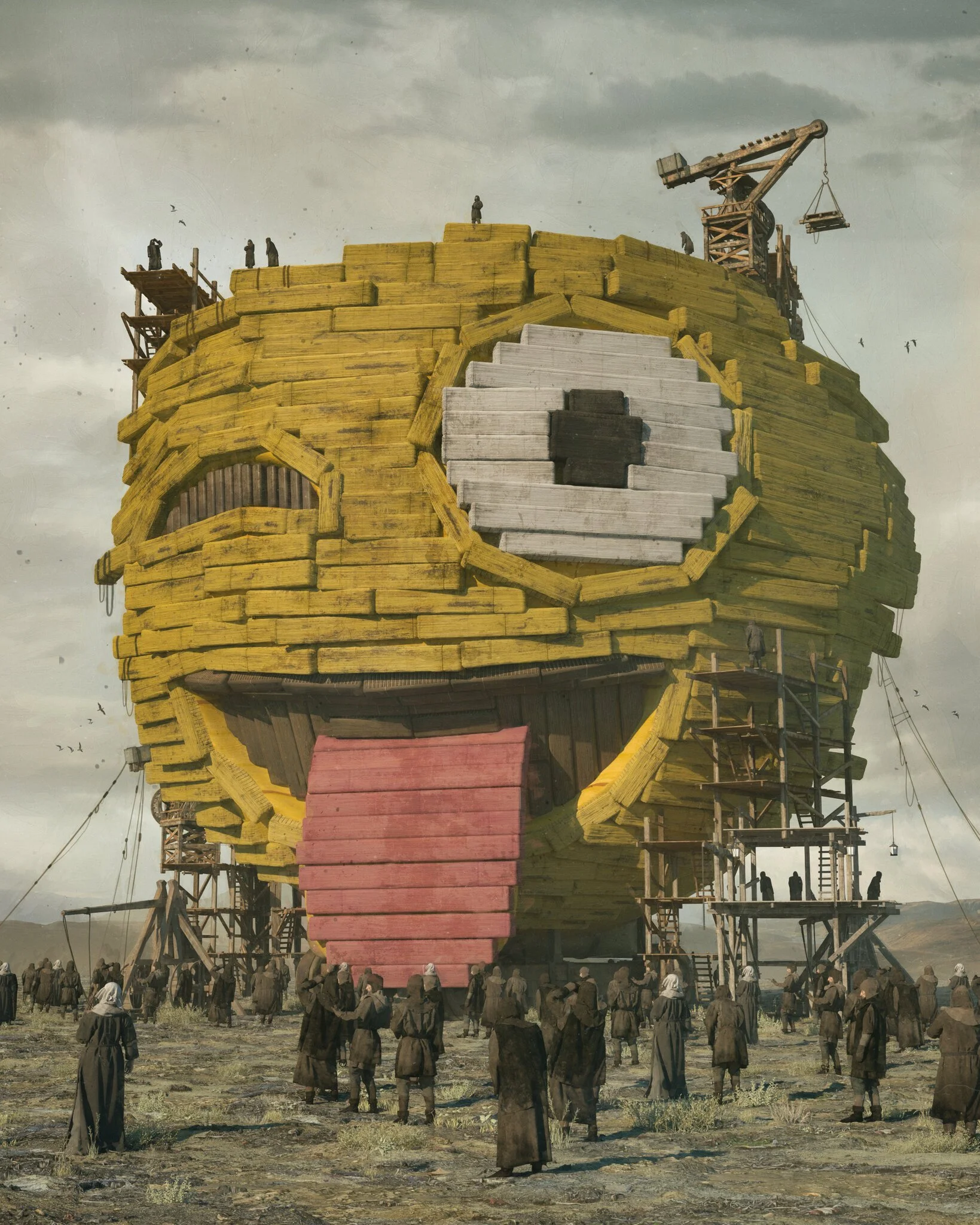
Beeple’s work is loud. Grotesque. Satirical. Obsessively detailed. It reflects modern anxiety perfectly: politics as spectacle, technology as god, capitalism as both savior and parasite.
Is it subtle? No.
Is it polite? Absolutely not.
But subtlety has never been a requirement for relevance.
The internet rewards clarity and impact. Beeple understood that instinctively.
The NFT Crash (And Why Beeple Survived It)
When the NFT market collapsed, many predicted Beeple would fade into irrelevance. He didn’t. Because here’s the difference between opportunists and builders: builders adapt.
Beeple shifted focus toward large-scale digital installations and physical exhibition spaces. He built Beeple Studios. He thought long-term.
Most people chase peaks. Warriors build foundations.
What Beeple Exposed About the Art World
Beeple didn’t destroy art. He exposed it. He revealed how much of the art market is narrative-driven. How value is often assigned by proximity to power, not craftsmanship. How exclusion masquerades as taste.
That doesn’t mean everything digital is good. It means the old filters were never neutral.
Why Beeple Still Matters Today
Even after the hype cooled, Beeple remains relevant because he represents a shift that cannot be undone. Artists no longer need permission. They need discipline. They need distribution. They need resilience. The tools have changed. The power structure is still fighting to catch up.
The Warrior Takeaway
Beeple’s story isn’t about NFTs. It’s about what happens when someone commits to the work long before the reward. It’s about ignoring laughter, skepticism, and silence. It’s about understanding that culture moves faster than institutions. And most importantly, it’s about realizing this:
The future doesn’t ask for permission.
It arrives.
Whether the gatekeepers like it or not.
Stay sharp, Warriors.