
A Tale Of Chinese History
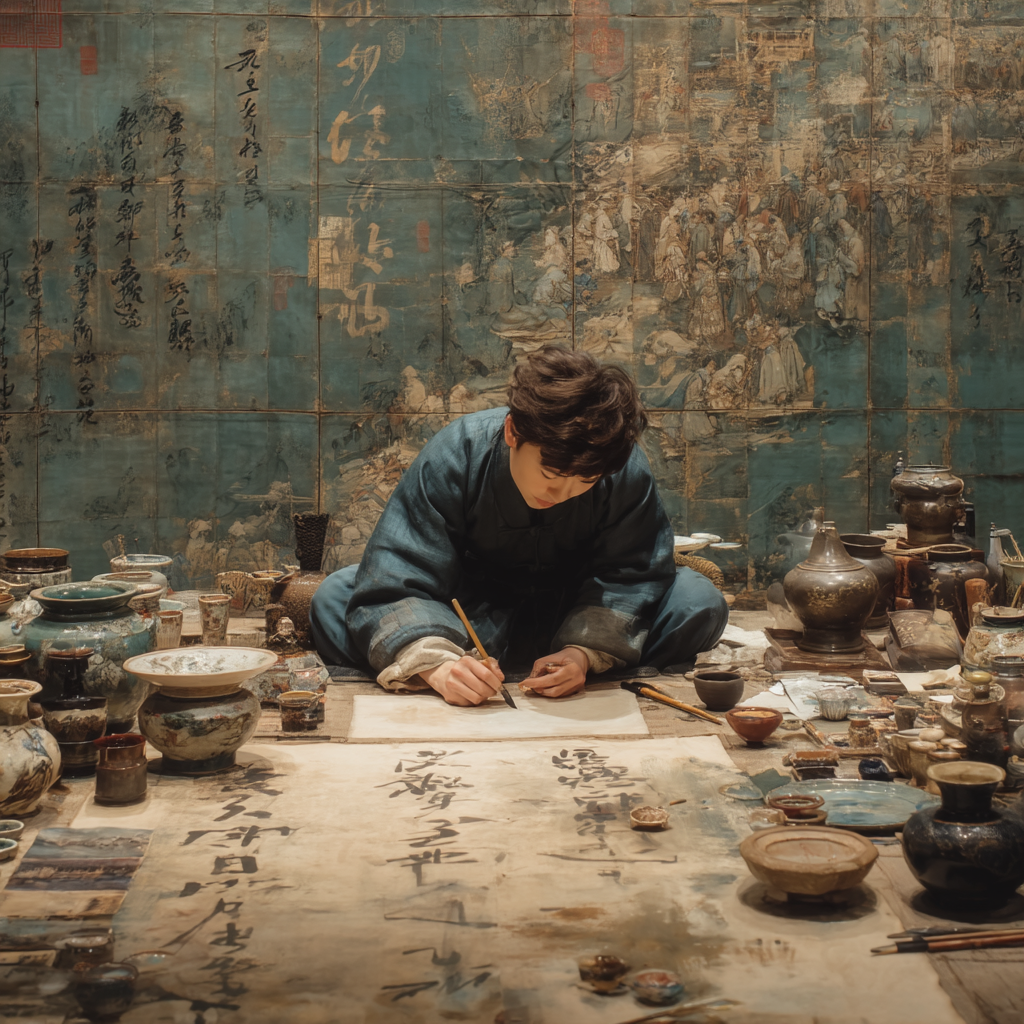
Greetings Warriors!
History likes to pretend it is written by the victors, but art remembers differently. Art keeps receipts. Art remembers who burned, who looted, who silenced—and who survived anyway.
Today, we talk about Chinese art. Not as a museum footnote. Not as porcelain behind glass. But as a living, wounded, resilient force that has endured conquest, humiliation, destruction, and rebirth—and still continues to innovate in the modern world.
This is not a gentle story. It’s a warrior’s one.
Check out my poem book!
A collection of my most deepest thoughts.
Art Older Than Empires
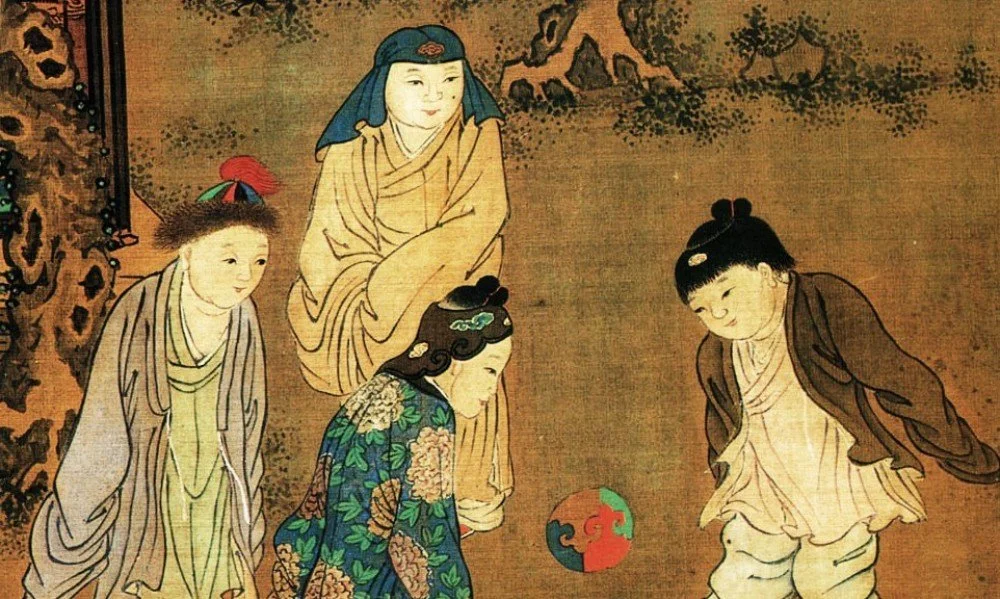
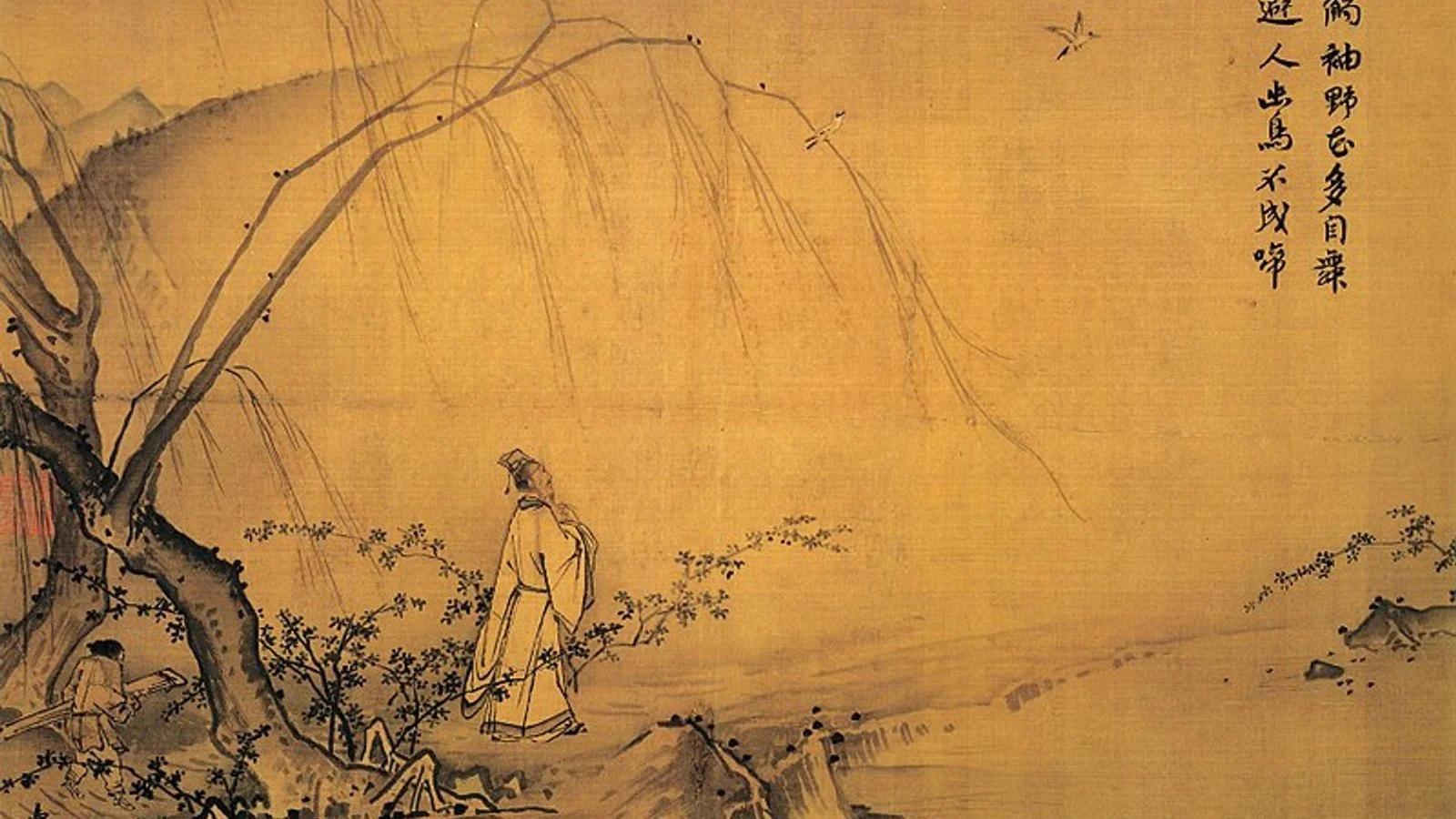
Chinese art stretches back more than 5,000 years, making it one of the longest continuous artistic traditions in human history. Before Europe built cathedrals, China was carving jade that symbolized moral purity. Before oil painting dominated the West, Chinese scholars were mastering ink, brush, and negative space—turning silence into meaning.
Art in China was never just decoration.
It was philosophy made visible.
Calligraphy revealed character
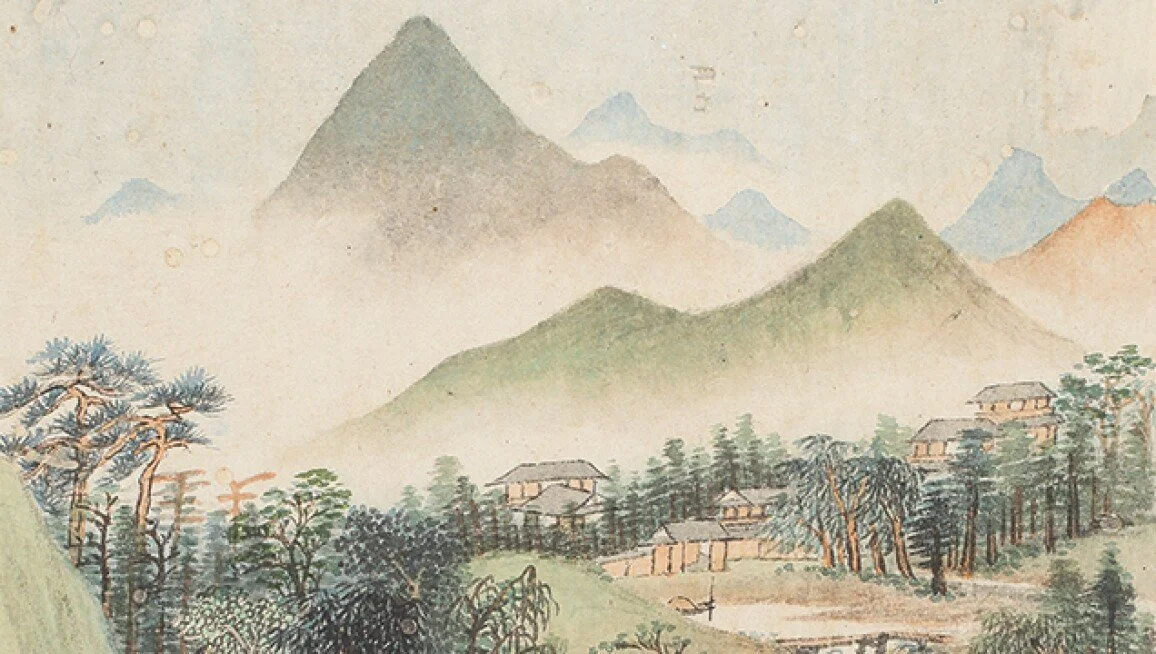
Landscape painting expressed harmony with nature
Porcelain embodied discipline, precision, and balance
To harm Chinese art was never just to destroy objects—it was to attack identity.
And that is exactly what happened.
Colonization and Cultural Violence
During the 19th century, China faced a brutal collision with Western imperial powers, most notably during the First (1839–1842) and Second Opium Wars (1856–1860). These wars were not about trade fairness or diplomacy. They were about forcing narcotics, extracting wealth, and breaking sovereignty.
Art paid the price.
The Destruction Numbers (What We Know)
There is no single, clean number—because looting was chaotic, undocumented, and intentionally obscured. But historians broadly agree on these realities:
Tens of thousands of Chinese artworks were destroyed, burned, or looted during the Opium Wars
The most infamous loss occurred in 1860, when Anglo-French troops burned the Old Summer Palace (Yuanmingyuan) near Beijing
The palace complex contained over one million objects—paintings, scrolls, jade, bronzes, manuscripts, clocks, and ceremonial works
Most of it was either:
Burned to ash
Smashed during pillaging
Or stolen and shipped to Europe
To this day, thousands of Chinese artworks remain in Western museums and private collections, taken during this era under what can only honestly be called colonial theft.
This was not collateral damage. This was cultural warfare.


Why Art Was Targeted
Colonizers understood something dangerous:
If you destroy a people’s art, you fracture their memory.
Chinese art carried:
Moral systems (Confucian ethics)
Cosmic order (Daoist harmony)
Spiritual continuity (Buddhist influence)
By burning palaces and looting artifacts, Western powers weren’t just stealing wealth—they were attempting to humiliate an entire civilization.
And for a moment in history, it worked.
Survival Through Silence
Despite devastation, Chinese art did not die. It went underground. It went inward. It adapted. Artists continued painting in ink when oil was pushed as “modern.”
Scholars preserved calligraphy traditions in private circles. Craftsmen passed techniques hand to hand, not institution to institution. Art survived not because it was protected—but because the people protected it.
This is resilience not taught in textbooks.
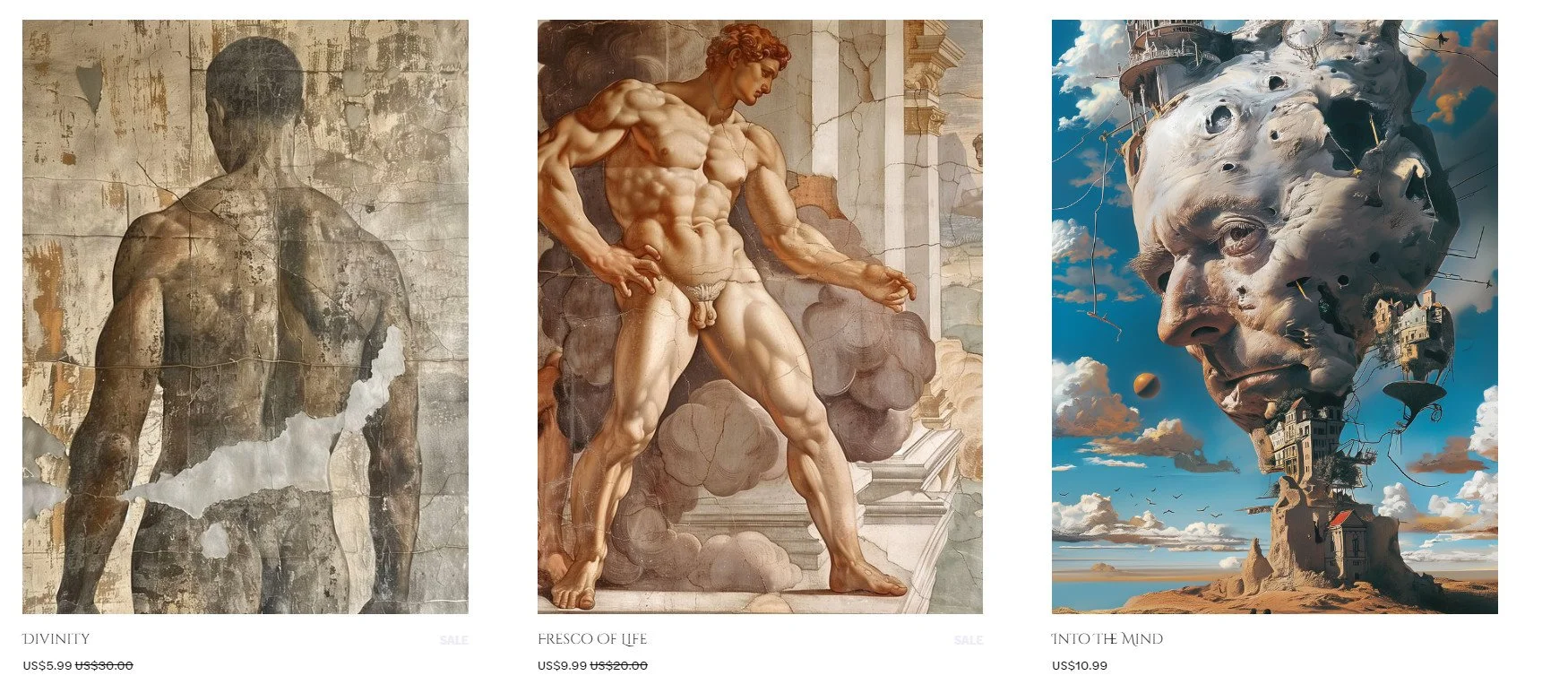
BUY MY ART🖤

The 20th Century: Pressure From All Sides
China’s artists didn’t just face Western colonial pressure. They later faced internal suppression, especially during the Cultural Revolution (1966–1976).
Traditional art was labeled “feudal”
Ancient works were destroyed by revolutionary mobs
Artists were silenced, imprisoned, or forced into propaganda
Again—art was attacked.
And again—it survived.
Because Chinese art had learned a hard truth:
Survival sometimes means bending without breaking.

Renaissance Man - Inspired by Leonardo Da Vinci
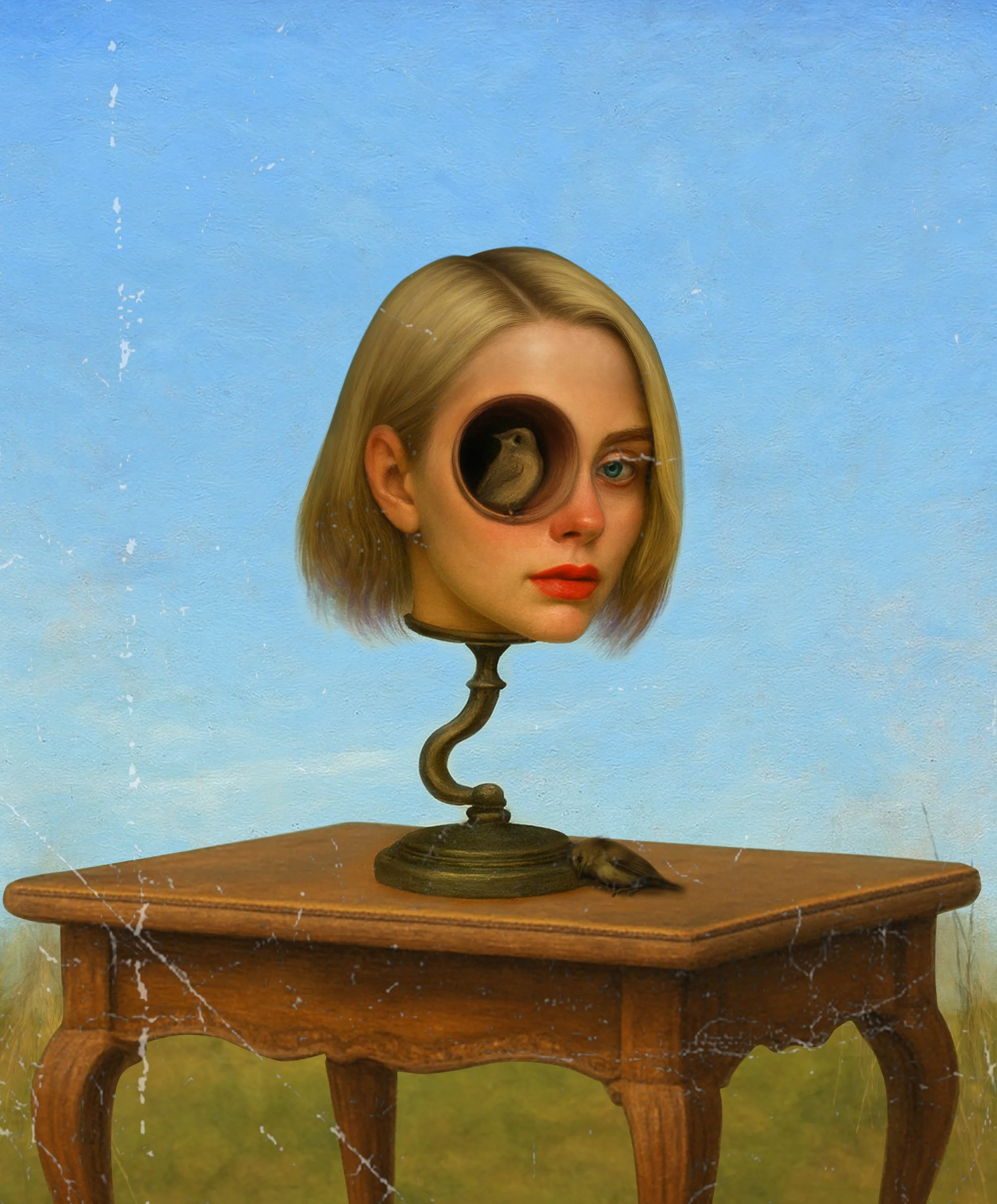
Vosoughi, I Am The Light - 2025
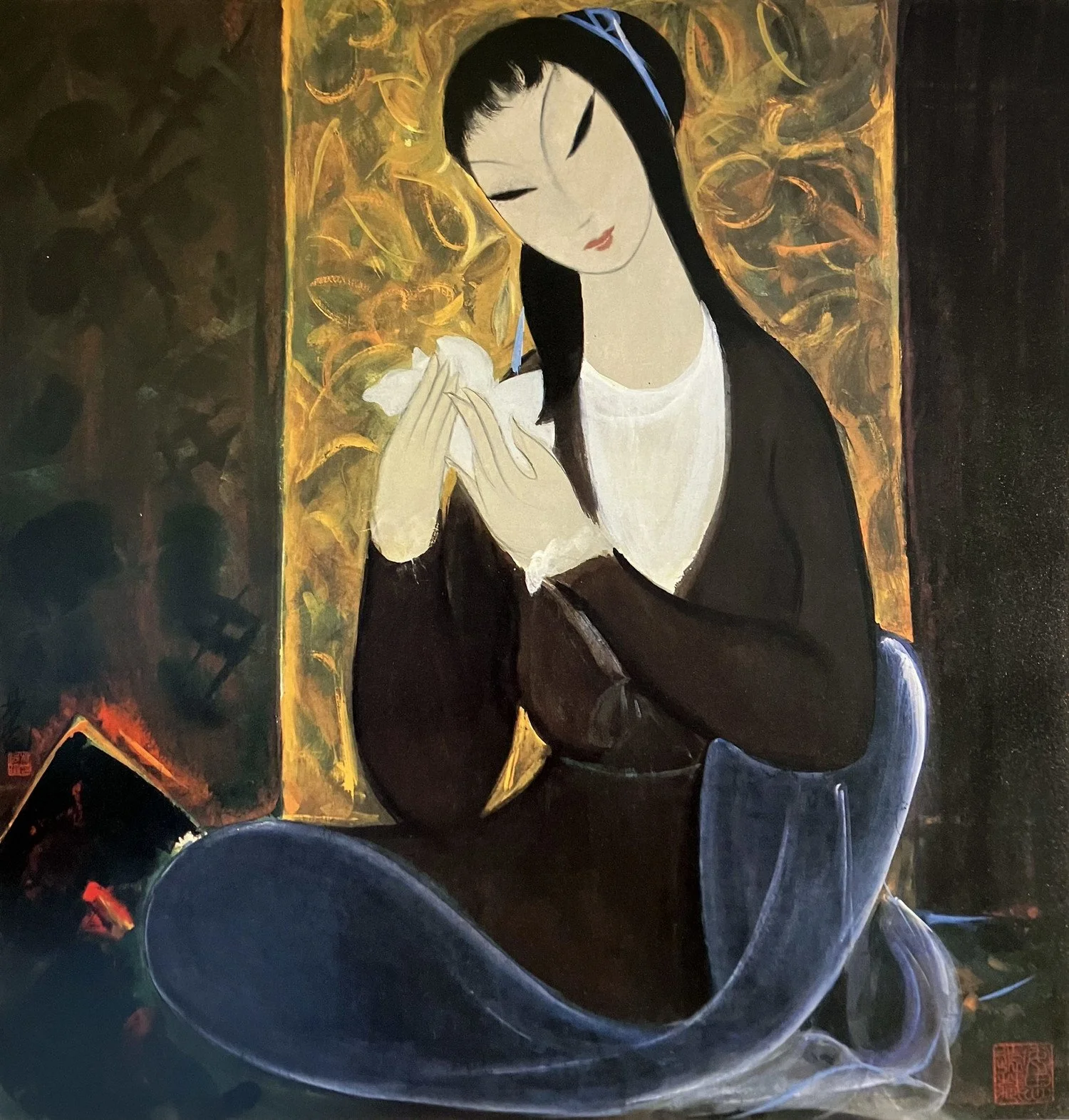
Lin Fengmian, Seated Woman - 1970
Modern China: Art That Refuses to Be Quiet
Today, Chinese art is not frozen in the past. It’s global, experimental, and unapologetically alive. Contemporary Chinese artists blend:
Ink traditions with digital media
Ancient symbolism with modern political critique
Installation, AI, performance, sculpture, and conceptual art
They question authority. They explore memory. They confront censorship, globalization, and identity.
Despite restrictions, Chinese artists continue to innovate—often encoding meaning in metaphor, just as their ancestors did.
That’s not coincidence. That’s lineage.
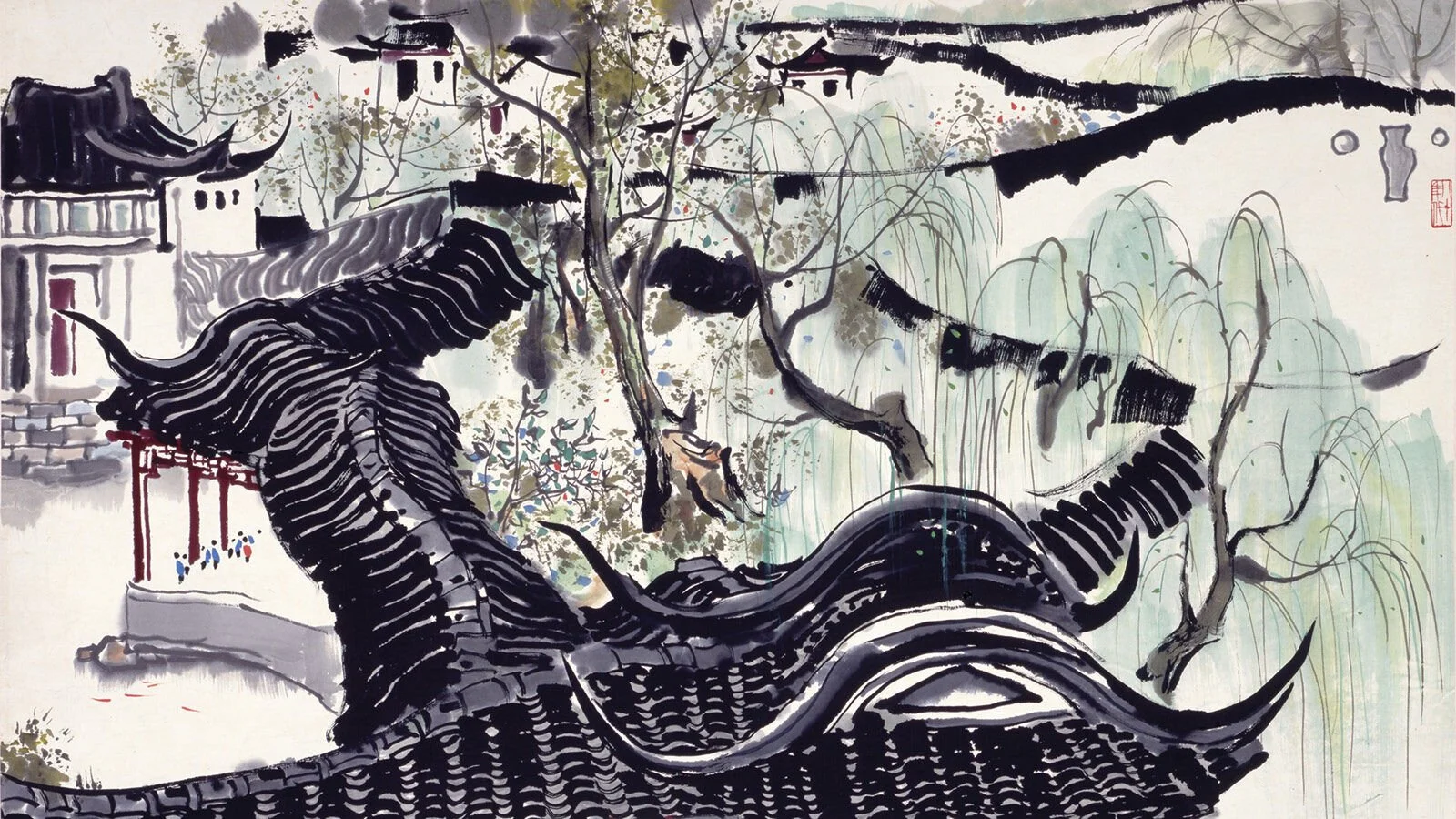
Resilience as a Cultural Superpower
The West often frames innovation as disruption. China frames it as continuity under pressure. Chinese art didn’t survive by rejecting its roots—it survived by transforming them.
From jade to AI.
From ink to installation.
From scrolls to global exhibitions.
Art didn’t just endure trauma—it absorbed it and evolved. That is resilience.
The Bigger Truth the World Avoids
Let’s be clear:
Chinese art was systematically looted
Cultural destruction was a tool of domination
Many stolen works have never been returned
Yet China did not disappear. Its art did not vanish. Its creativity did not surrender.
Instead, Chinese art stands today as proof of something deeper:
You can burn palaces, but you cannot burn a civilization’s imagination.
Final Thoughts for the Warriors
Chinese art is not fragile porcelain. It is forged steel wrapped in silk. It has survived empire, addiction wars, humiliation, revolution, censorship, and globalization—and still speaks.
Quietly. Powerfully. Intentionally. And in a world obsessed with speed and noise, Chinese art reminds us:
The longest-lasting forces are the ones that know how to endure.
Stay sharp.
Stay grounded.
And never underestimate a culture that has already survived the fire.