
The Art Of War
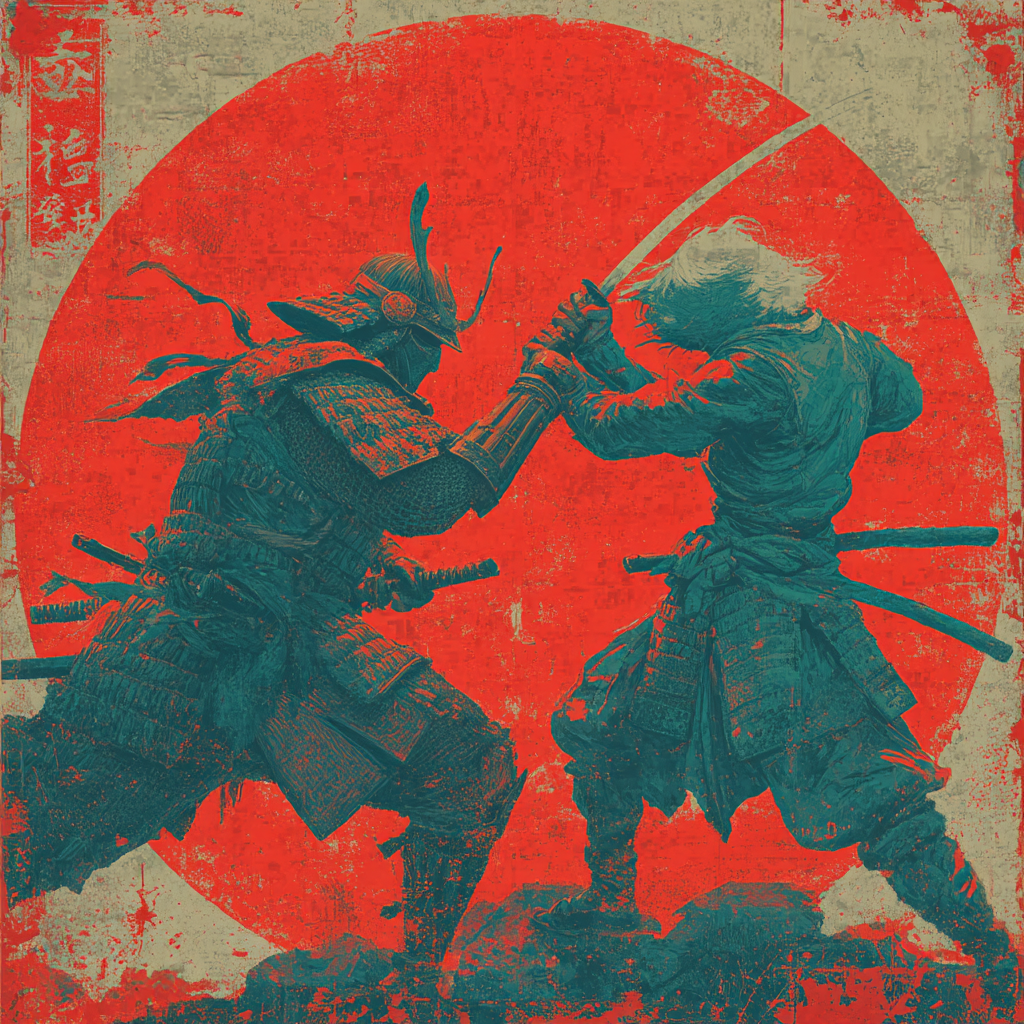
Greetings Warriors!
The art world loves to tell fairy tales. It tells artists that talent wins. It tells collectors that taste is neutral. It tells audiences that museums are temples of purity, untouched by power, money, or ego. And then it quietly sharpens its knives behind the curtain.
This is why The Art of War still matters — not as a dusty military relic, but as a survival manual for anyone navigating the modern art world. Written over two thousand years ago by Sun Tzu, it remains brutally relevant because the battlefield hasn’t disappeared.
It’s just been rebranded.
Today, the battlefield looks like white walls, press releases, Instagram feeds, biennials, art fairs, auctions, and curatorial statements written in a language no one actually speaks at home.
This is about strategy.
Not conquest — survival.
Not domination — longevity.
Not ego — clarity.
Check out my poem book!
A collection of my most deepest thoughts.
The Art World Is a War Zone Wearing a Linen Suit
Let’s start by dropping the performance. The art world is not a meritocracy. It is not democratic. It is not fair. It is a system of power, layered with aesthetics to soften the blow.
Galleries fight for relevance.
Museums fight for donors.
Curators fight for narrative control.
Artists fight for oxygen.
Collectors? They fight boredom. Sun Tzu opens The Art of War by saying war is “a matter of life and death.” In art terms, that translates to something less dramatic but just as brutal: visibility or erasure. You don’t usually “lose” in the art world. You simply fade out. No obituary. No announcement. Just silence.
That’s the battlefield.
II. Know Yourself, Know the System (Most Artists Only Do One)
Sun Tzu’s most quoted line survives because it hurts:
“If you know the enemy and know yourself, you need not fear the result of a hundred battles.”
In the art world, the “enemy” is rarely a person. It’s the structure.
Most artists obsess over their inner world — their trauma, vision, authenticity, process. That part matters. But knowing yourself without knowing the system is like bringing a sword to a drone strike.
Here’s what too many artists don’t study:
How galleries actually make money
Why curators repeat the same artists under the illusion of “discovery”
How collectors think in cycles, not feelings
Why institutions reward predictability while marketing rebellion
On the flip side, some artists understand the system perfectly… and don’t know themselves at all. They chase trends, mimic aesthetics, and burn out trying to be relevant.
Sun Tzu would despise both extremes. Self-knowledge without strategy is delusion. Strategy without self-knowledge is emptiness. The art world eats both.


III. Deception, Branding, and the Myth of “Just Let the Work Speak”
Sun Tzu famously wrote:
“All warfare is based on deception.”
This line makes artists uncomfortable because it sounds unethical. But Sun Tzu wasn’t talking about lying — he was talking about perception management.
Here’s the uncomfortable truth, Warriors:
Every artist has a brand. Even the ones who claim they don’t. Especially the ones who claim they don’t.
Choosing what you show.
Choosing what you hide.
Choosing which story gets told first.
That’s not corruption. That’s communication. The art world pretends to worship authenticity while quietly rewarding those who control narrative best. The phrase “let the work speak for itself” is usually said by people whose work already has a microphone.
Sun Tzu understood something crucial:
If you don’t define yourself, someone else will — and they won’t do it kindly.
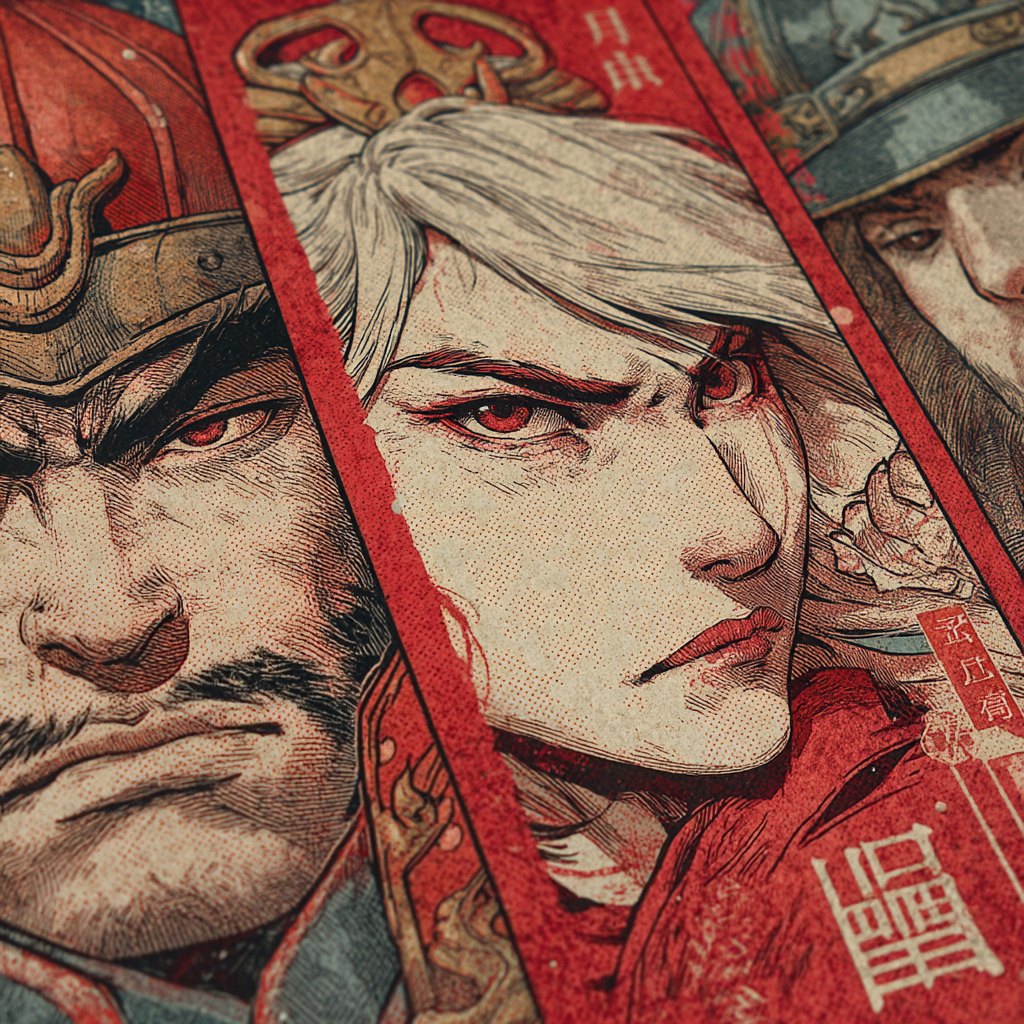
IV. Terrain: Galleries, Museums, and Social Media Are Not the Same Battlefield
Sun Tzu obsessed over terrain. Mountains, rivers, narrow passes, open plains. Every battlefield demanded a different approach.
The art world has terrain too. A museum is not a gallery. A gallery is not Instagram. Instagram is not an auction house. An auction house is not a community. Yet artists constantly behave as if one strategy fits all.
Posting every day like you’re running a meme page, then wondering why institutions don’t take you seriously. Chasing museum validation while ignoring collector relationships. Treating social media like a diary, then being shocked when the algorithm doesn’t care.
Sun Tzu would call this amateur behavior.
Different terrain requires different tactics. Same work. Different approach.
BUY MY ART🖤

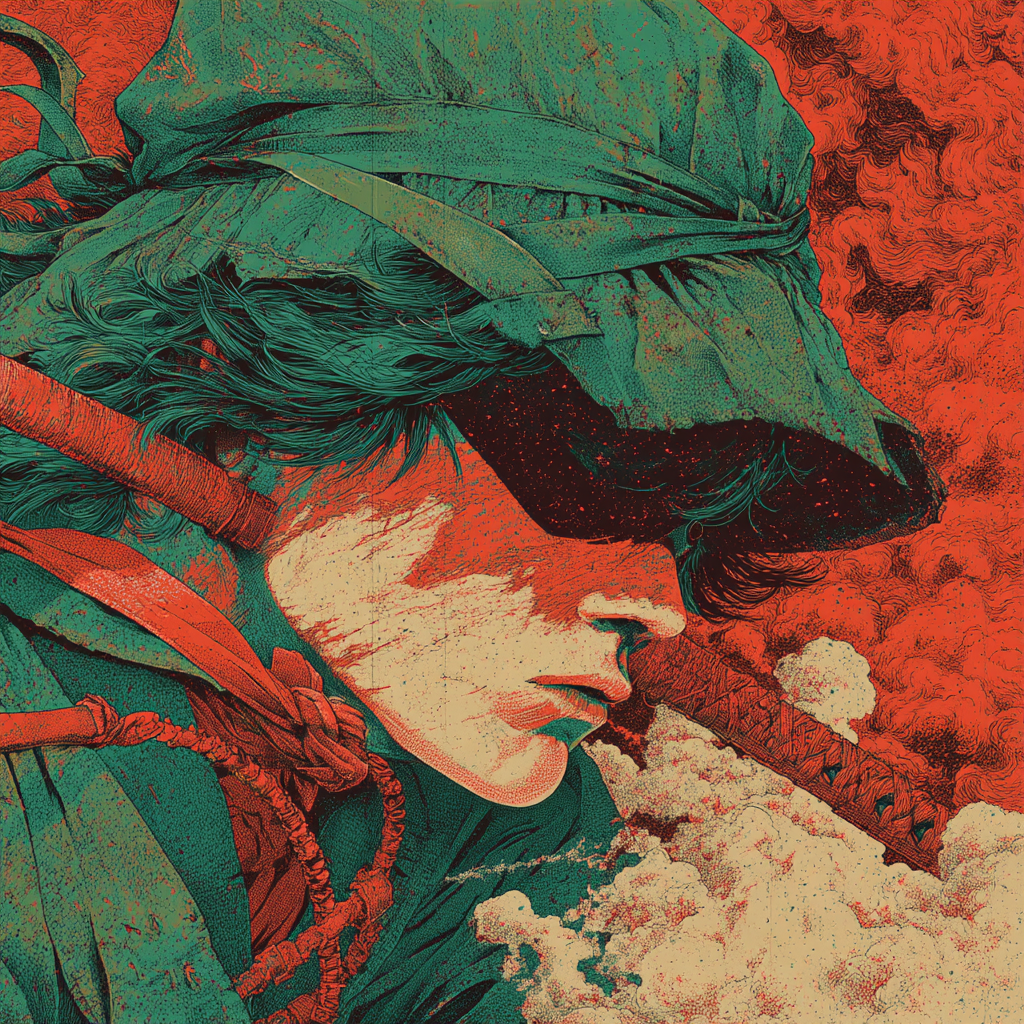
V. Timing: The Difference Between a Breakthrough and a Breakdown
Sun Tzu was ruthless about timing:
“He will win who knows when to fight and when not to fight.”
The art world is full of talented people who spoke too soon, showed too early, pushed too hard.
Timing destroys more careers than rejection ever could.
Showing unfinished work because you’re desperate for validation
Dropping projects during market fatigue
Burning your audience by never shutting up
Silence, in the right moment, is a weapon. Some artists disappear for years — not because they failed, but because they understood restraint. Retreat is not weakness. Sometimes it’s the most disciplined move available.
Sun Tzu didn’t glorify constant action. He respected patience. The art world pretends to reward hustle. In reality, it rewards precision.

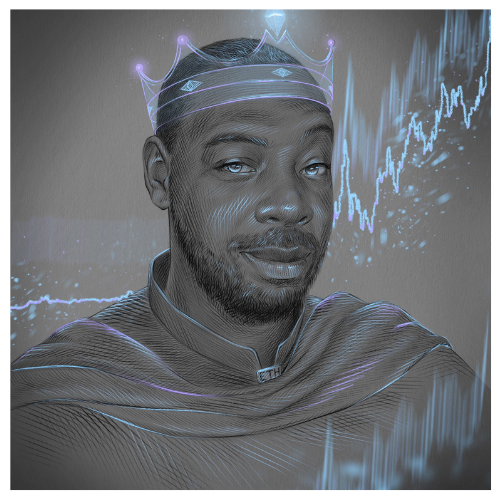
Renaissance Man - Inspired by Leonardo Da Vinci

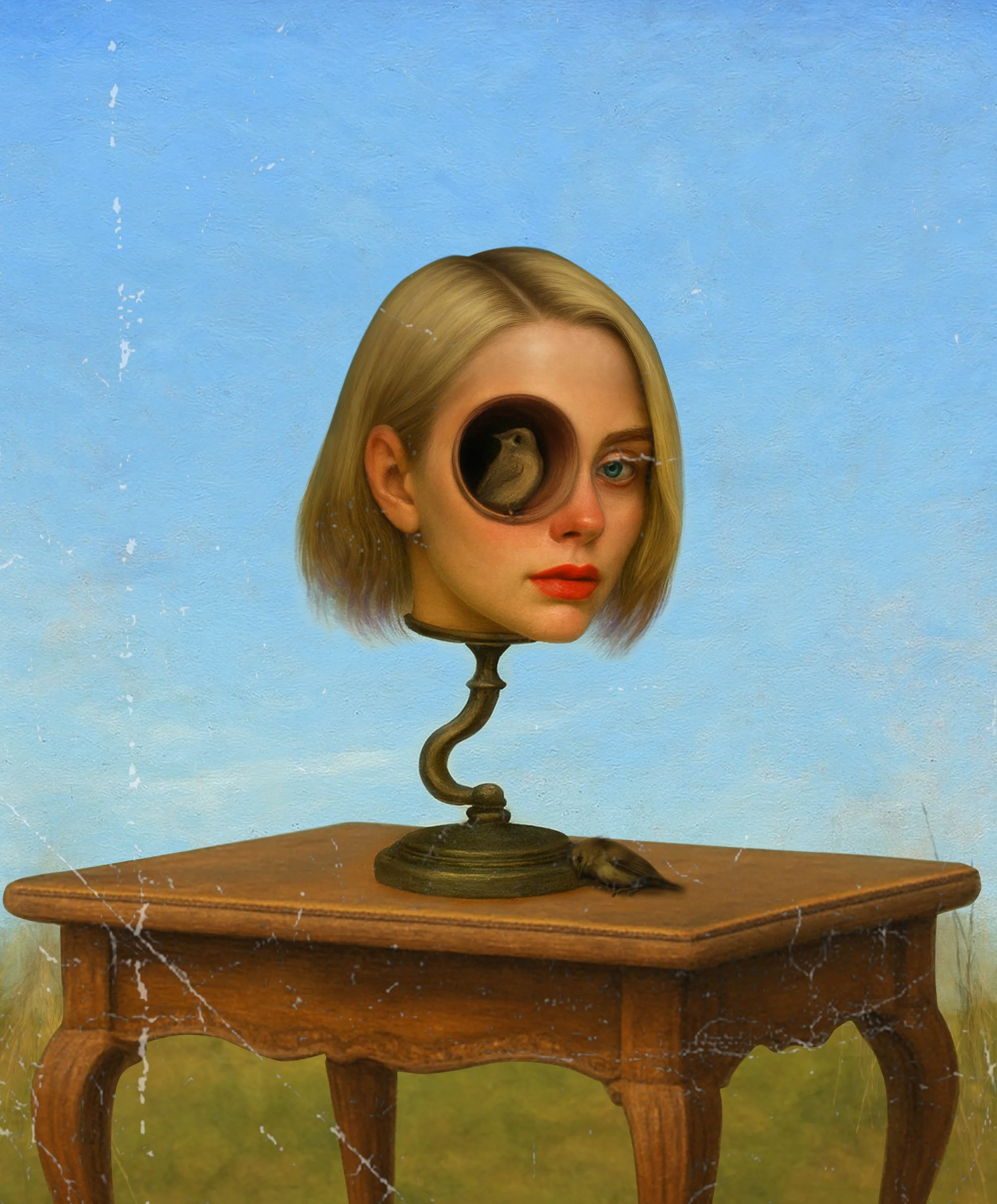
Vosoughi, I Am The Light - 2025
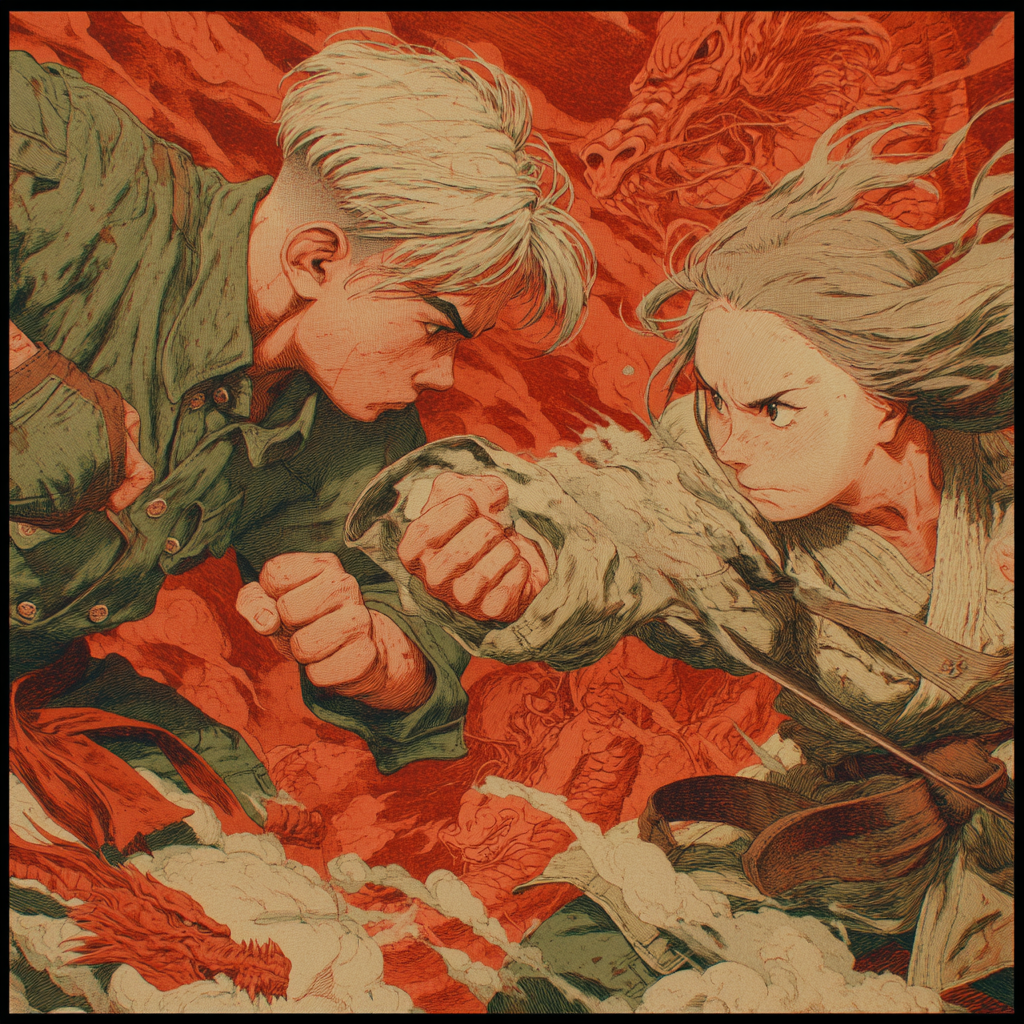
VI. The Illusion of Freedom and the Reality of Control
Here’s where things get uncomfortable.
The art world claims to celebrate freedom, rebellion, and critique — yet it runs on gatekeeping, funding dependencies, and institutional politics.
Artists who think strategically scare institutions. Why? Because strategy reveals power dynamics. A naïve artist is easy to celebrate. A strategic artist is harder to control.
Sun Tzu didn’t teach blind aggression. He taught autonomy. And autonomy has always made systems nervous.
This is why artists are often rewarded for appearing radical while behaving predictably. True independence disrupts funding models, narratives, and hierarchies.
The system loves rebels it can understand. It fears warriors who can see.
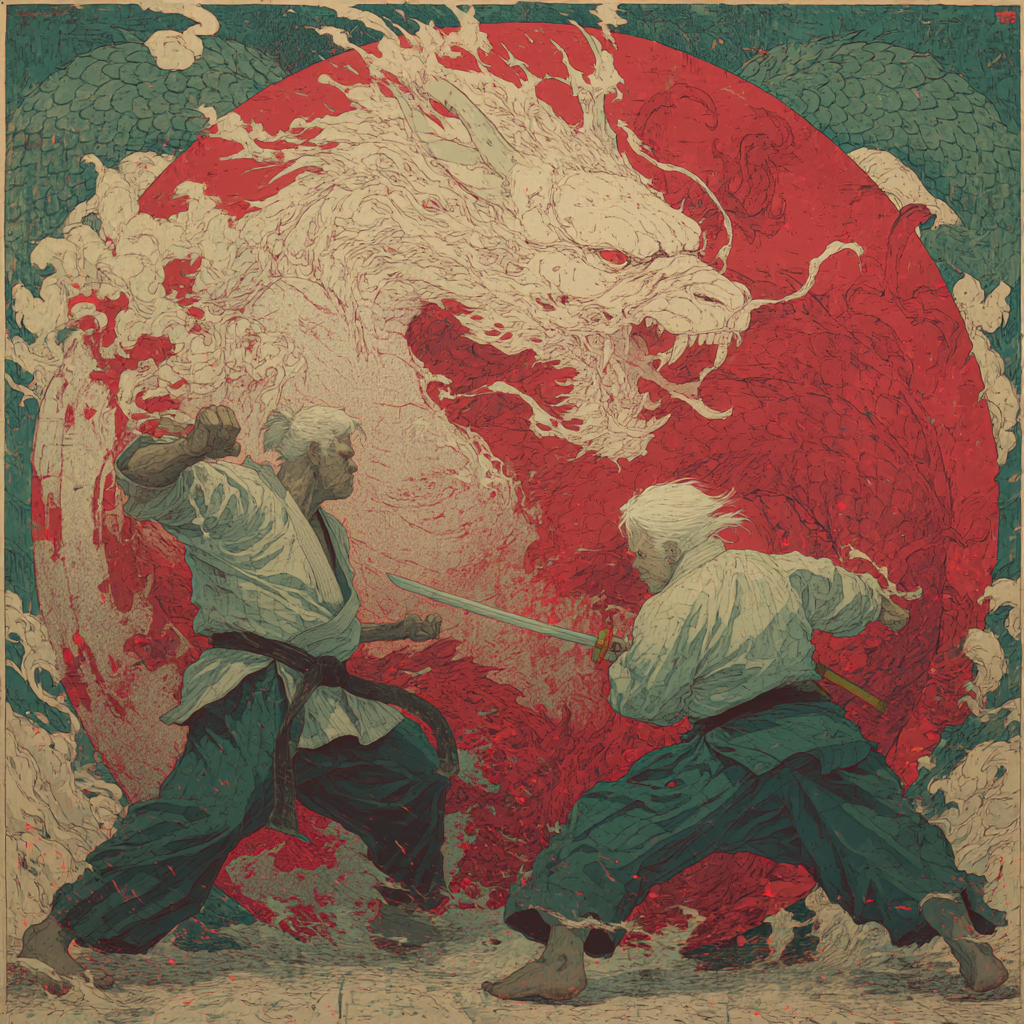
VII. The Collector Battlefield: Taste, Power, and Boredom
Collectors are often misunderstood. They’re painted as villains or saviors, depending on who needs rent money. Sun Tzu would see collectors clearly: as actors responding to incentives.
Collectors are driven by:
Status
Scarcity
Access
Story
Very rarely by “pure love of art.”
Understanding this doesn’t cheapen art — it protects artists from fantasy. The collector battlefield is psychological, not emotional.
Sun Tzu taught that understanding motivation is more important than brute force. In art terms: don’t fight collectors — understand them.
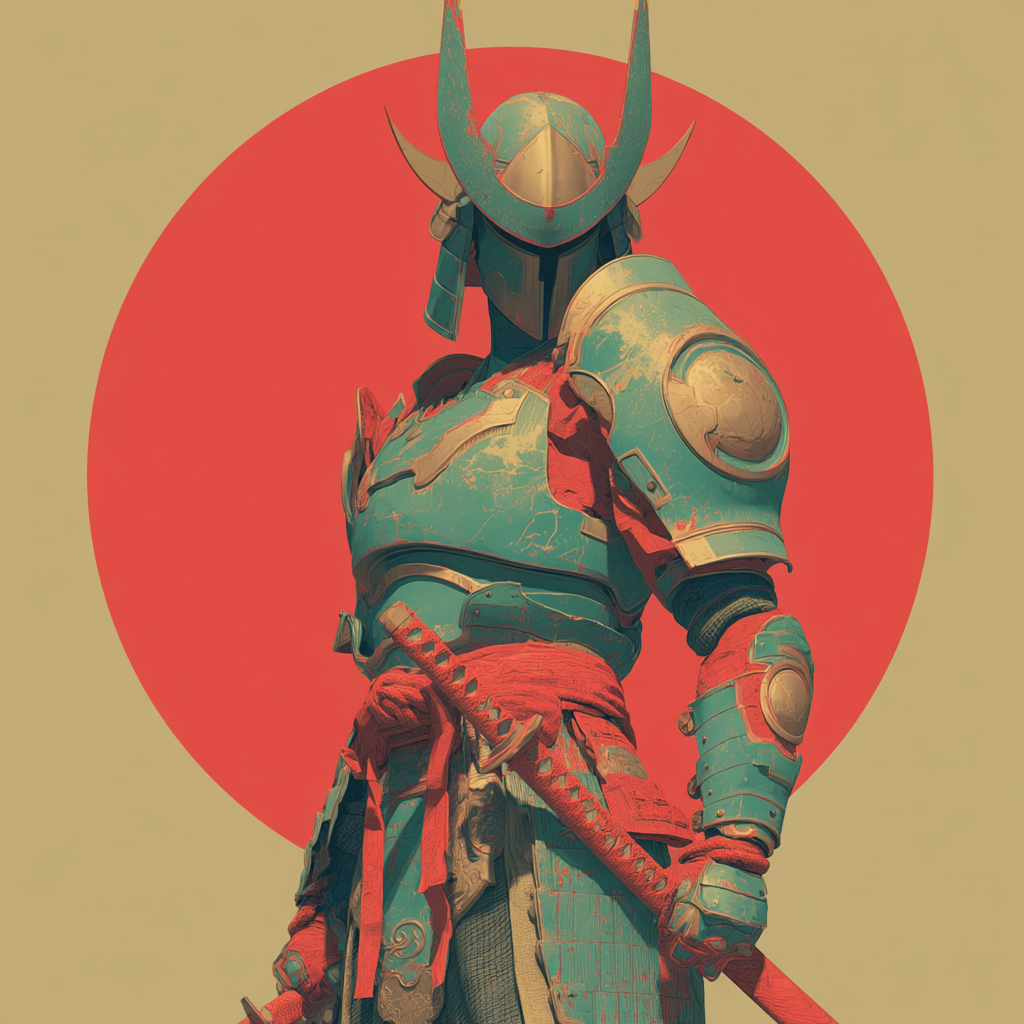
VIII. The Supreme Art: Winning Without Fighting
Sun Tzu’s most misunderstood idea:
“The supreme art of war is to subdue the enemy without fighting.”
In the art world, this looks like:
Walking away from exploitative opportunities
Refusing bad exposure disguised as prestige
Letting trends pass without chasing them
Building parallel systems outside traditional institutions
Not every rejection deserves a reaction. Not every critique deserves a response. Not every invitation deserves a yes. Power is selective.
The loudest artists are rarely the most powerful. The most powerful artists often seem calm, distant, and strangely unavailable.
That’s not arrogance. That’s positioning.
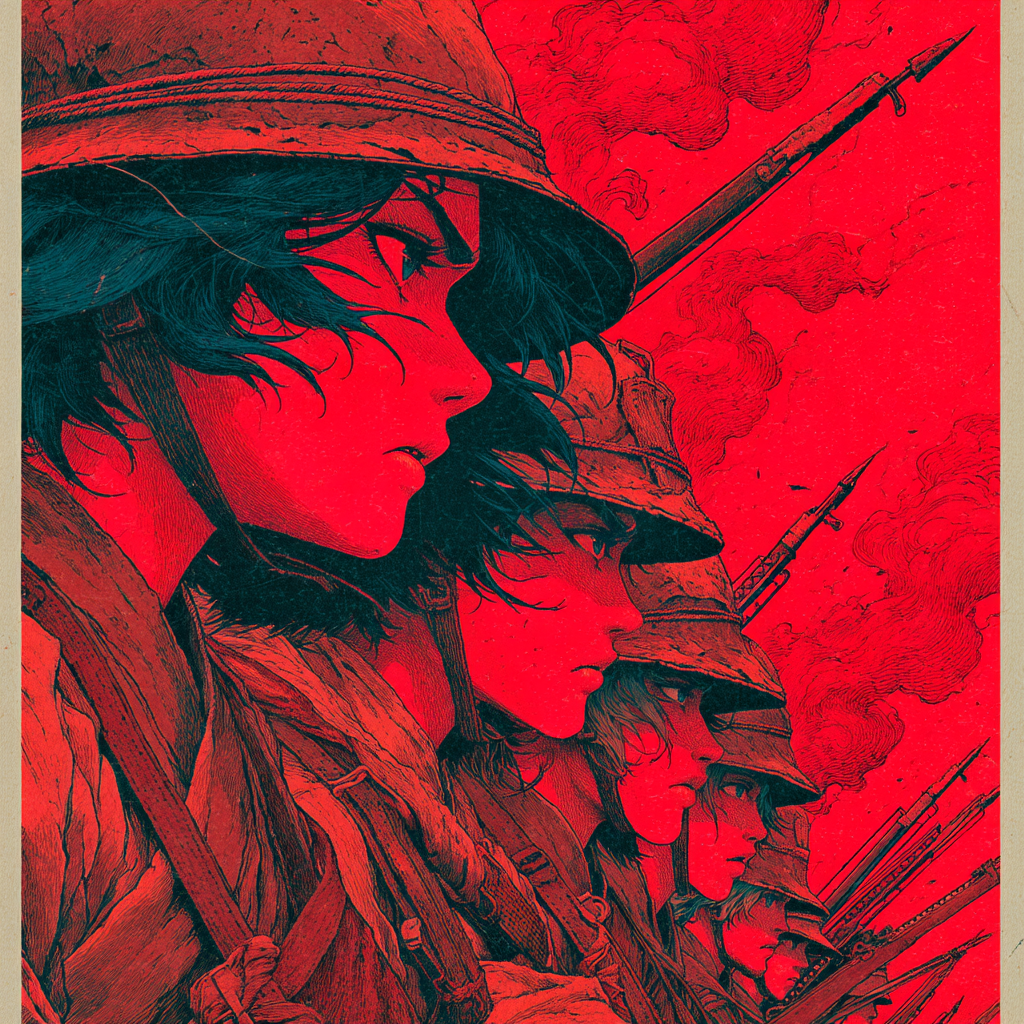
X. Why Burnout Is the Art World’s Silent Graveyard
Sun Tzu warned constantly about cost.
War drains resources. So does the art world.
Burnout is the most common cause of creative death. Not failure — exhaustion.
Artists are encouraged to:
Be constantly visible
Be endlessly grateful
Accept exposure as currency
Hustle without infrastructure
Sun Tzu would call this unsustainable warfare. The goal is not to win every battle. The goal is to survive long enough to matter. Longevity is the quiet victory no one applauds — until it’s too late to imitate.
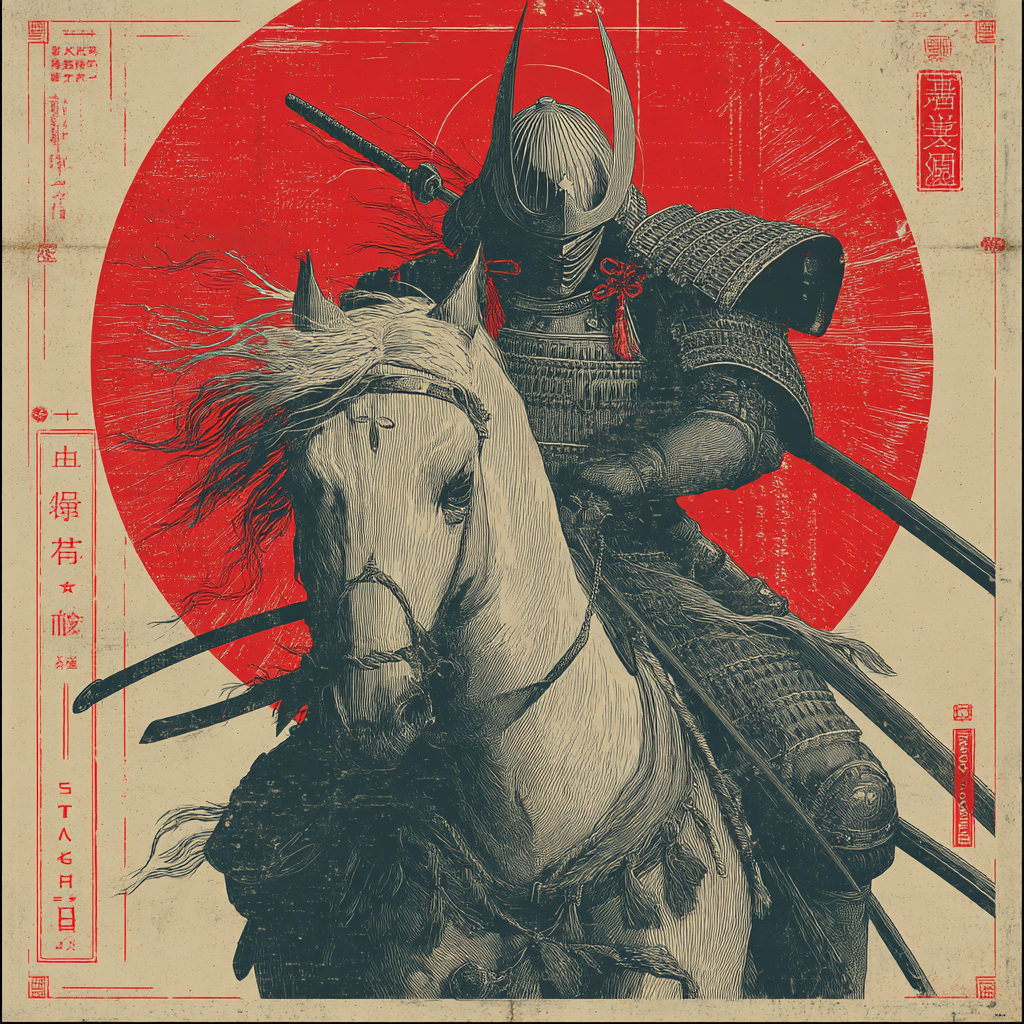
X. What Sun Tzu Would Hate About the Art World
Let’s be honest. Sun Tzu would despise:
Artist statements that say nothing in 500 words
Panels about “disruption” sponsored by banks
Rebellion approved by committees
Radical art funded by corporations selling compliance
He would probably read a curatorial essay, sigh deeply, and close the book. Sun Tzu respected clarity. The art world often worships obscurity disguised as depth. That’s not intelligence. That’s insecurity in costume.
XI. The Art of War Is Not About Becoming Ruthless
This matters.
Sun Tzu didn’t glorify cruelty. He warned against unnecessary conflict. He believed war was dangerous, expensive, and best avoided when possible. The lesson for artists isn’t to become cynical — it’s to become clear-eyed.
Clarity doesn’t kill creativity. It protects it.
You can be ethical and strategic.
You can be honest and disciplined.
You can be poetic and perceptive.
The lie is that you must choose.
XII. Final Words to the Warriors of Art
The art world will never tell you this directly, so I will. Talent opens the door.
Strategy keeps it open.
Authenticity matters — but only when paired with awareness. Passion matters — but only when paired with restraint. Vision matters — but only when paired with timing.
The Art of War isn’t about violence. It’s about navigation in hostile environments. And the art world — for all its beauty — is one of them.
Choose your battles.
Know your terrain.
Control your narrative.
Protect your energy.
That’s how artists don’t just survive history — they shape it.