
Valentine’s Day in Art History: From Saint Valentine to Gustav Klimt’s The Kiss
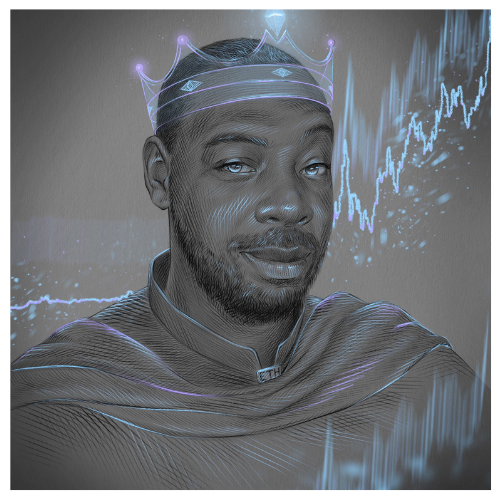
Greetings Warriors!
There are wars fought with weapons… and then there are wars fought with longing. Valentine’s Day isn’t just roses and restaurant reservations. It is the annual reminder that love has always been humanity’s most dangerous obsession. If you trace art history back to its earliest scratches on stone walls, you’ll find that love — not money, not politics, not fame — has been the real muse all along.
Today, I want to talk about the collision between Valentine’s Day and the history of art. And yes… we must talk about Gustav Klimt. Because his masterpiece, The Kiss, is not just a painting. It is my favorite art piece of all time.
Let’s go deeper.
Check out my poem book!
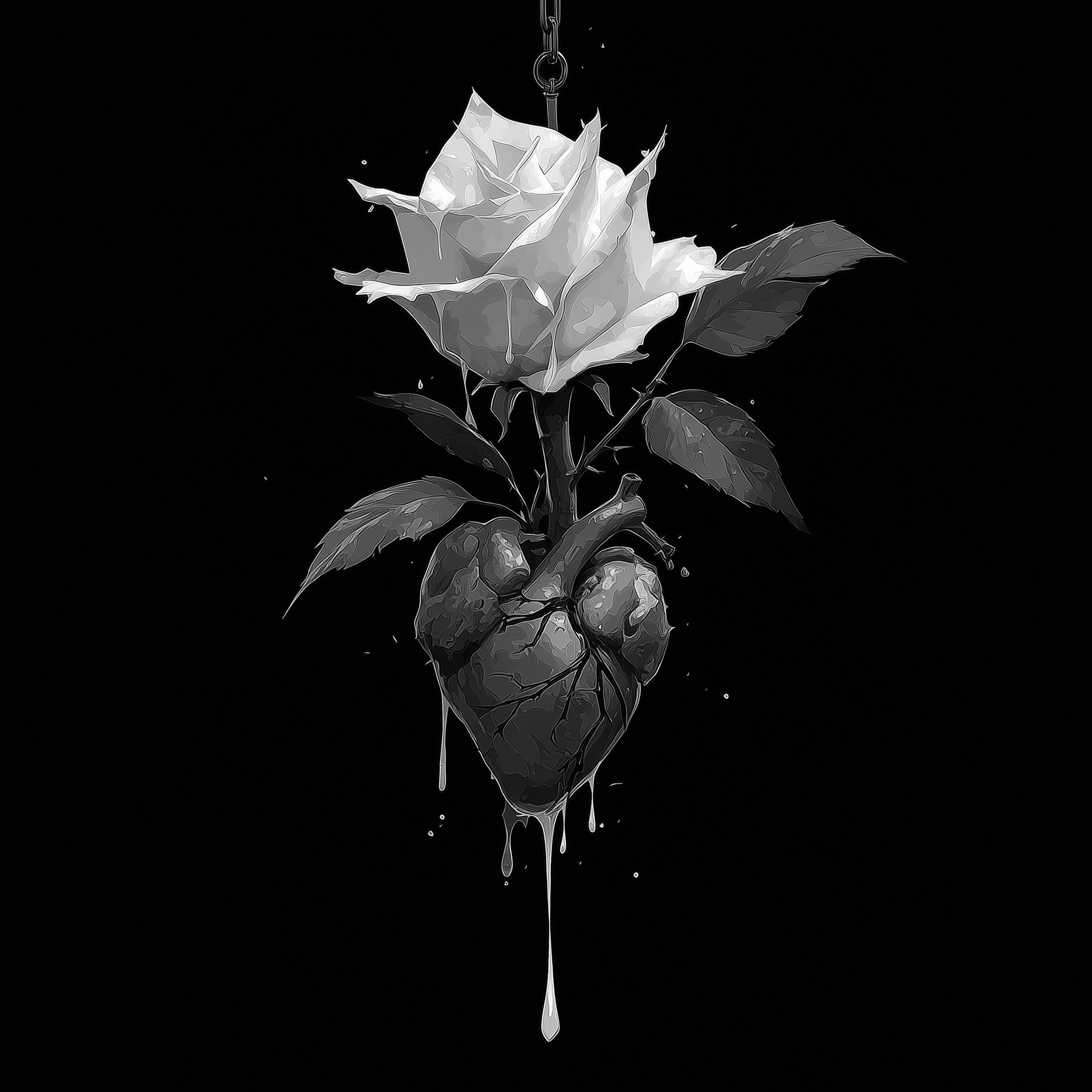
Where love, loss, fear, hope, and memory quietly coexist. Love is not always loud or perfect; sometimes it is heavy, tender, and aching, shaped by time and experience. These words were born from moments of connection and moments of absence, from caring deeply and learning how to let go. Within these pages is an attempt to honor love in all its forms—the kind that holds us together, the kind that breaks us open, and the kind that teaches us how to keep going.
Love Before Hallmark: The Ancient Origins
Valentine’s Day traces back to Saint Valentine, a priest who defied imperial orders to secretly marry lovers in ancient Rome. He was executed for it.
Love has always had a price.
Long before greeting cards, ancient civilizations carved lovers into marble, painted myths of passion, and told stories of gods who couldn’t control their own desires.
In Greek and Roman mythology:
Cupid shot arrows that destroyed logic.
Venus embodied beauty and temptation.
Love was divine… and chaotic.
Artists documented all of it.
Because humans have always been fascinated by that moment when emotion overrides reason.
The Renaissance: Love as Sacred and Sensual
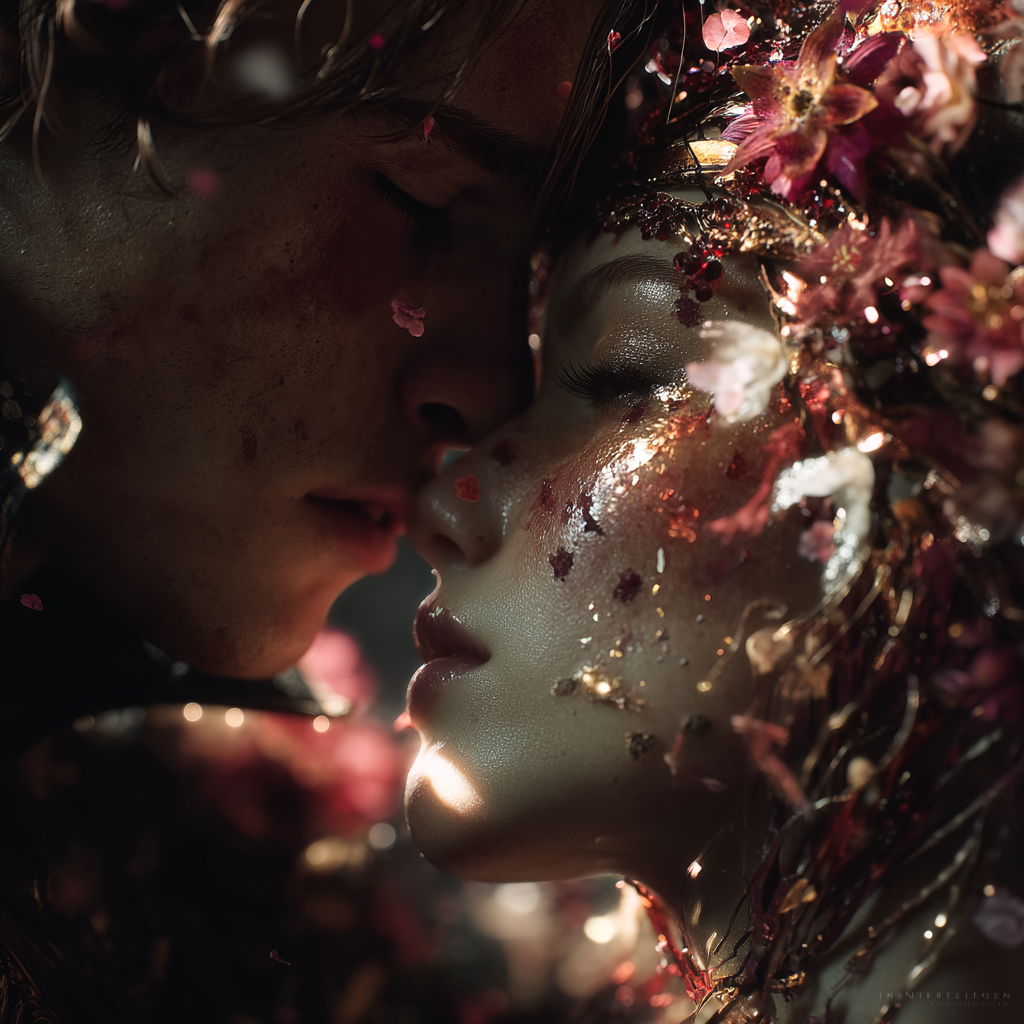
During the Renaissance, artists like Titian painted lovers, mythological seduction scenes, and divine beauty with unapologetic intensity. Love wasn’t hidden, it was framed in gold, hung in palaces, commissioned by royalty.
Portraits themselves were acts of devotion. To paint someone was to immortalize them. To gift a portrait was to say, You will outlive time.
Valentine’s Day is simply a modern echo of that instinct — the desire to freeze love in a form that survives us.


Romanticism: When Emotion Became a Storm
Fast forward to the 19th century and the Romantic movement. Artists like Eugène Delacroix didn’t paint quiet affection. They painted emotional explosions.
Love became:
Obsession
Tragedy
Longing
Madness
Valentine’s Day often sells the soft version of love. Art history reminds us that love is rarely soft. It is fire.
Then Came Klimt: Gold, Flesh, and Eternity
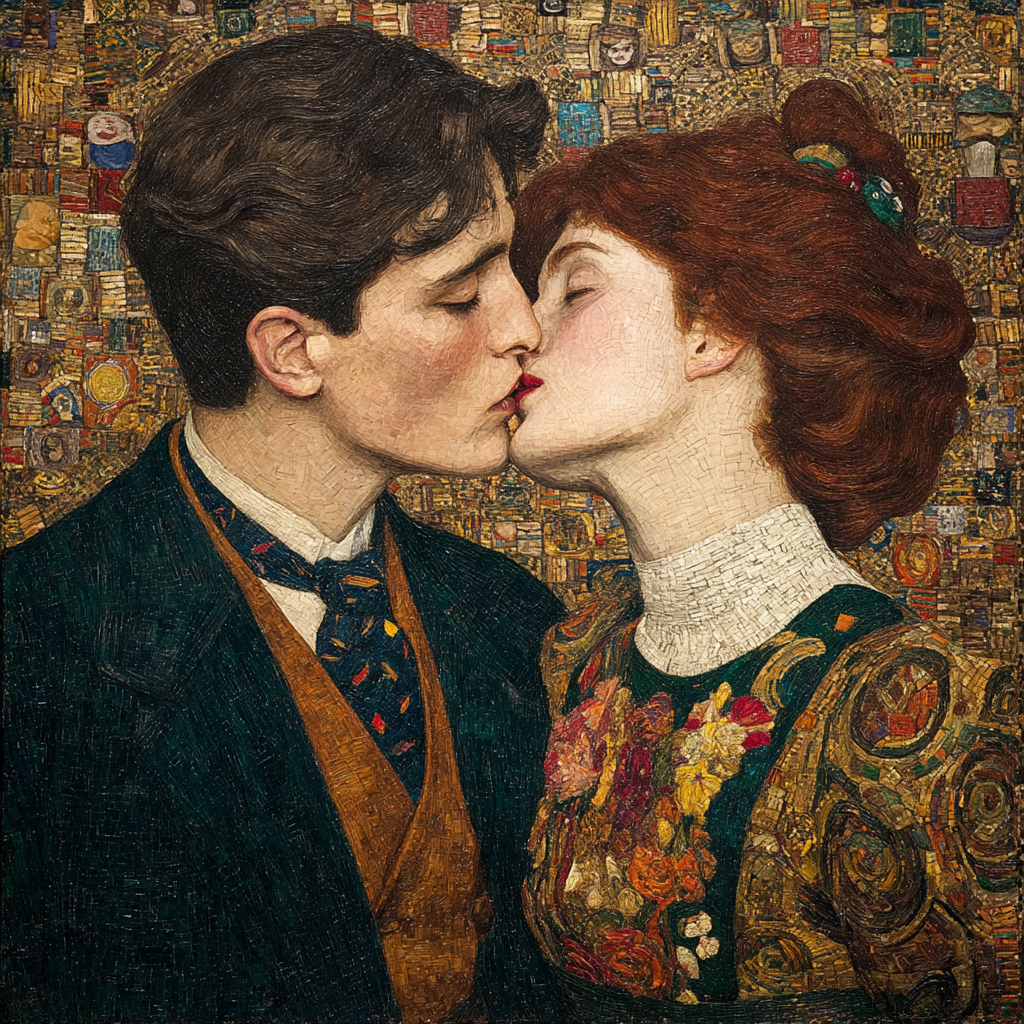
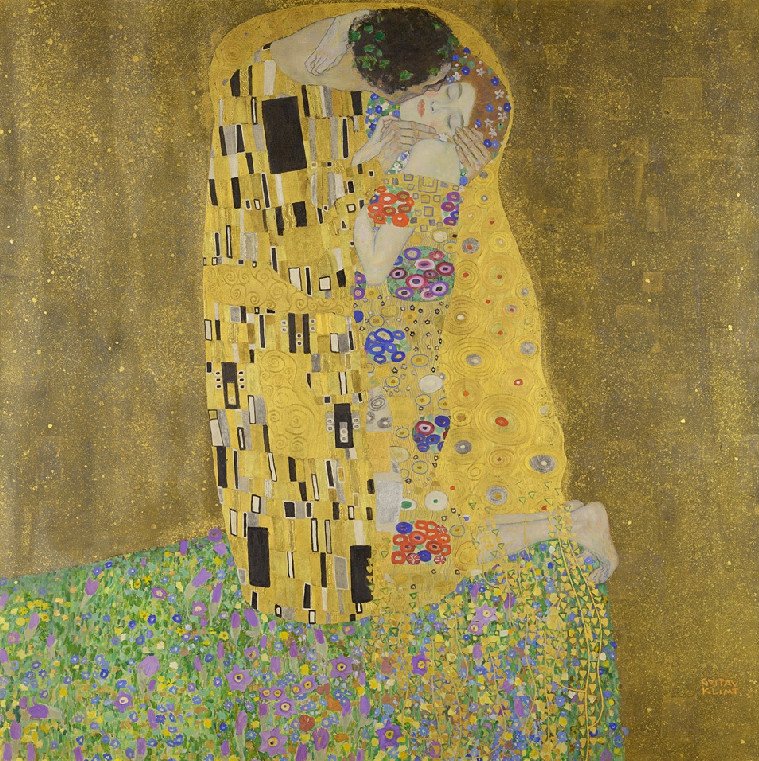
Now we arrive at the painting that stops me every single time. The Kiss by Gustav Klimt; created between 1907 and 1908 during his “Golden Phase,” the piece is layered with gold leaf, intricate patterns, and an almost sacred stillness.
Two figures locked in embrace. The world dissolves around them. There is no background narrative. No distraction. Just devotion suspended in eternity.
The man bends.
The woman yields.
Their faces merge into something beyond language.
And the gold? That’s not decoration. That is worship. Klimt understood something most artists only circle around. Love feels divine in the moment.
But it is fragile.
That cliff they stand on? It feels symbolic to me — like love always exists on the edge of risk. And maybe that’s why it’s my favorite artwork.
Because it captures everything:
Intimacy
Vulnerability
Power
Stillness
Danger
It doesn’t scream. It glows. Every February, reproductions of The Kiss flood the internet. Prints sell. Posts go viral. It becomes the unofficial ambassador of Valentine’s Day. But to me, it’s deeper than a seasonal aesthetic. It’s proof that art can immortalize emotion.
BUY MY ART🖤

Frida, Passion, and Real Love
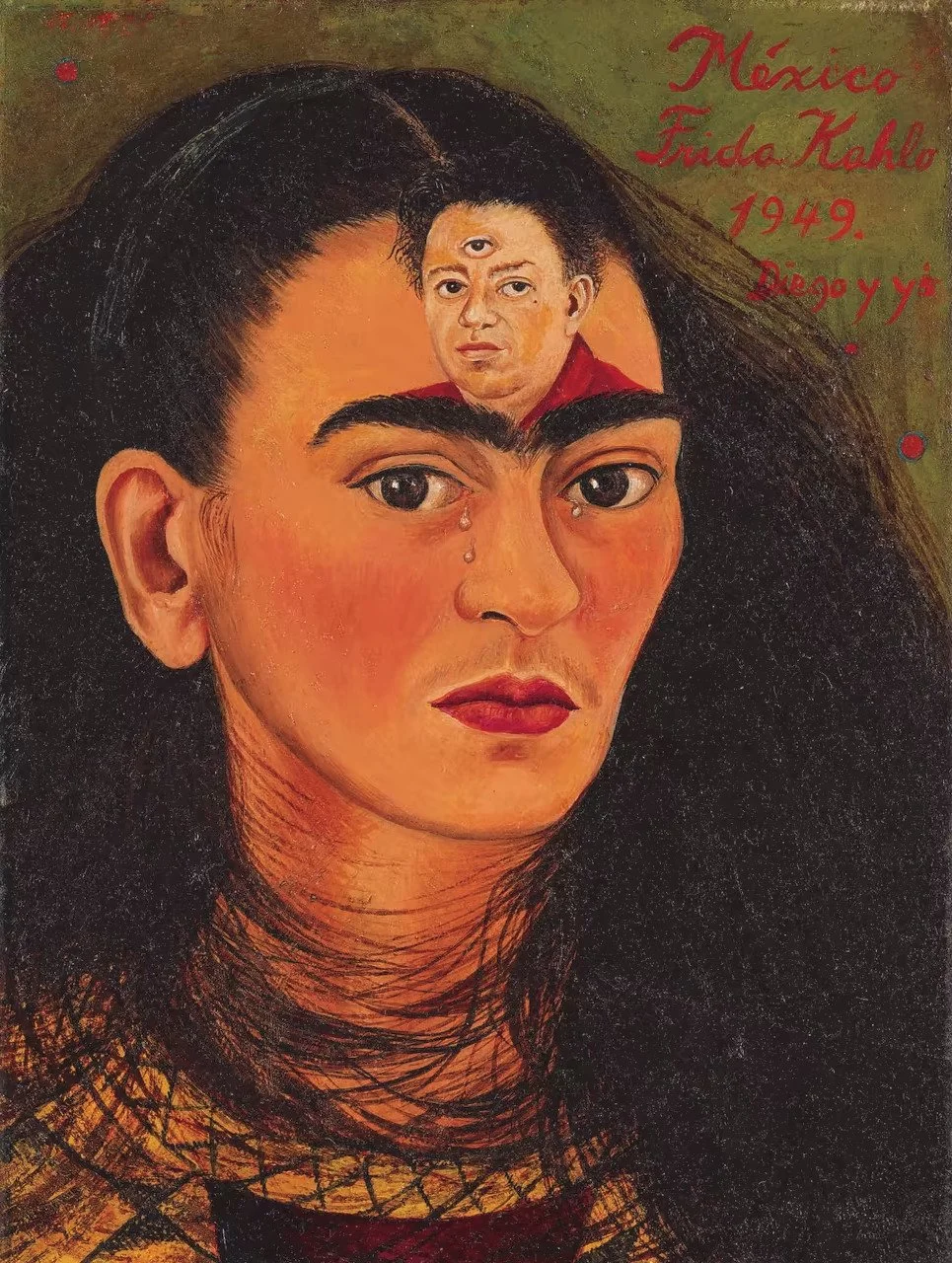
Love in art isn’t always golden and serene. Look at Frida Kahlo and her storm-filled relationship with Diego Rivera. Their love was messy. Public. Explosive. Her letters read like confessions. Her paintings bleed vulnerability. That’s the side of Valentine’s Day the marketing campaigns don’t show. But art does. Art refuses to lie about love.

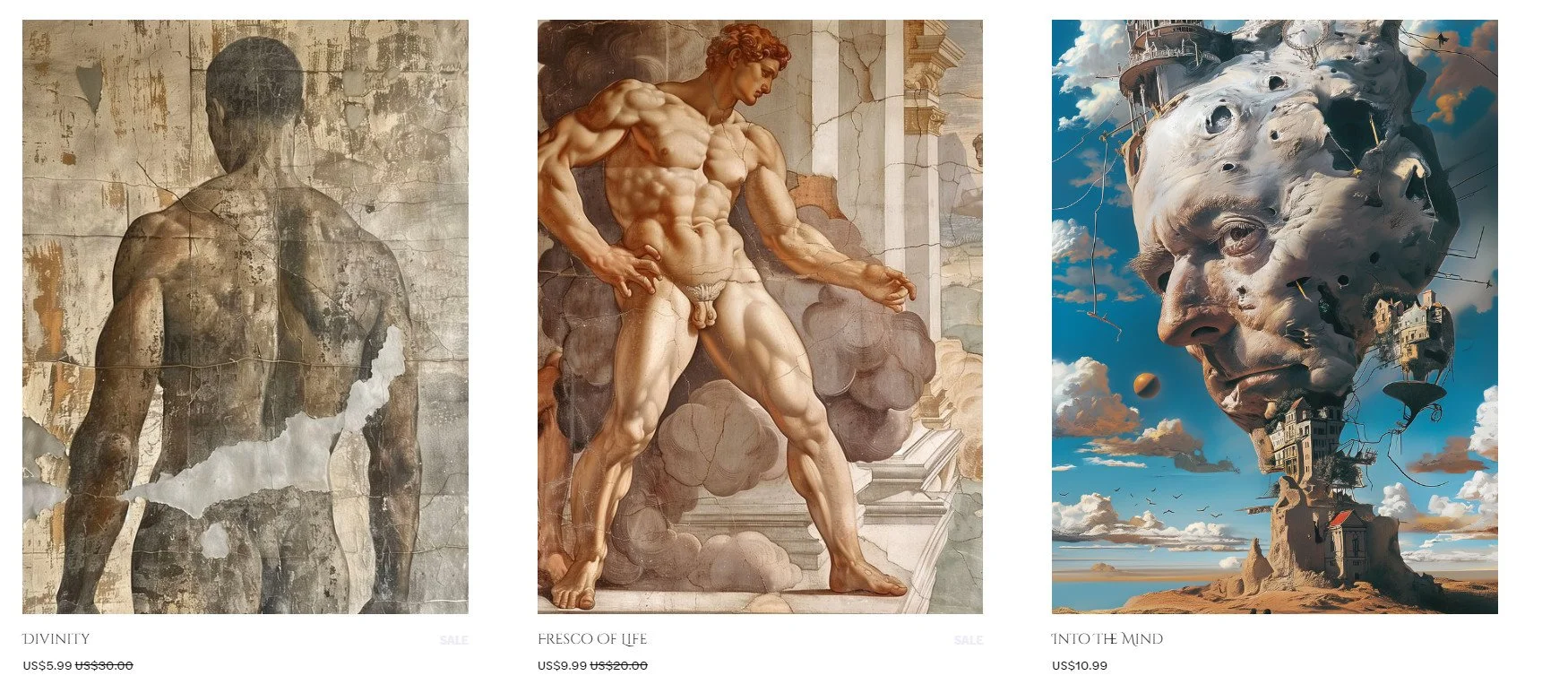
Renaissance Man - Inspired by Leonardo Da Vinci
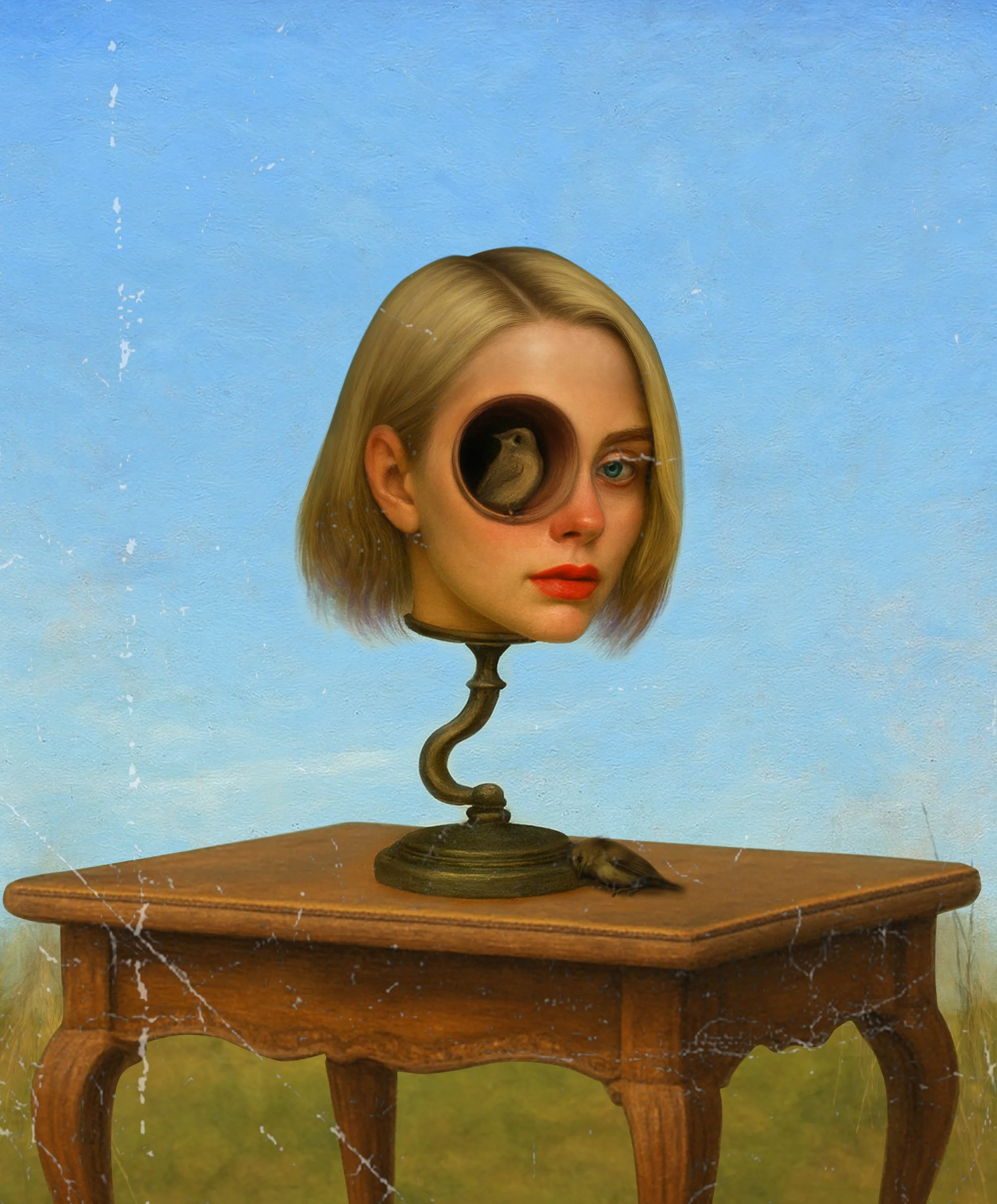
Vosoughi, I Am The Light - 2025
Red, Roses, and Symbolism
The symbols we associate with Valentine’s Day — roses, hearts, deep crimson tones — have been part of art history for centuries. In Dutch still-life paintings, flowers symbolized:
Beauty
Mortality
Fleeting time
Love is temporary. Art is the attempt to make it permanent.
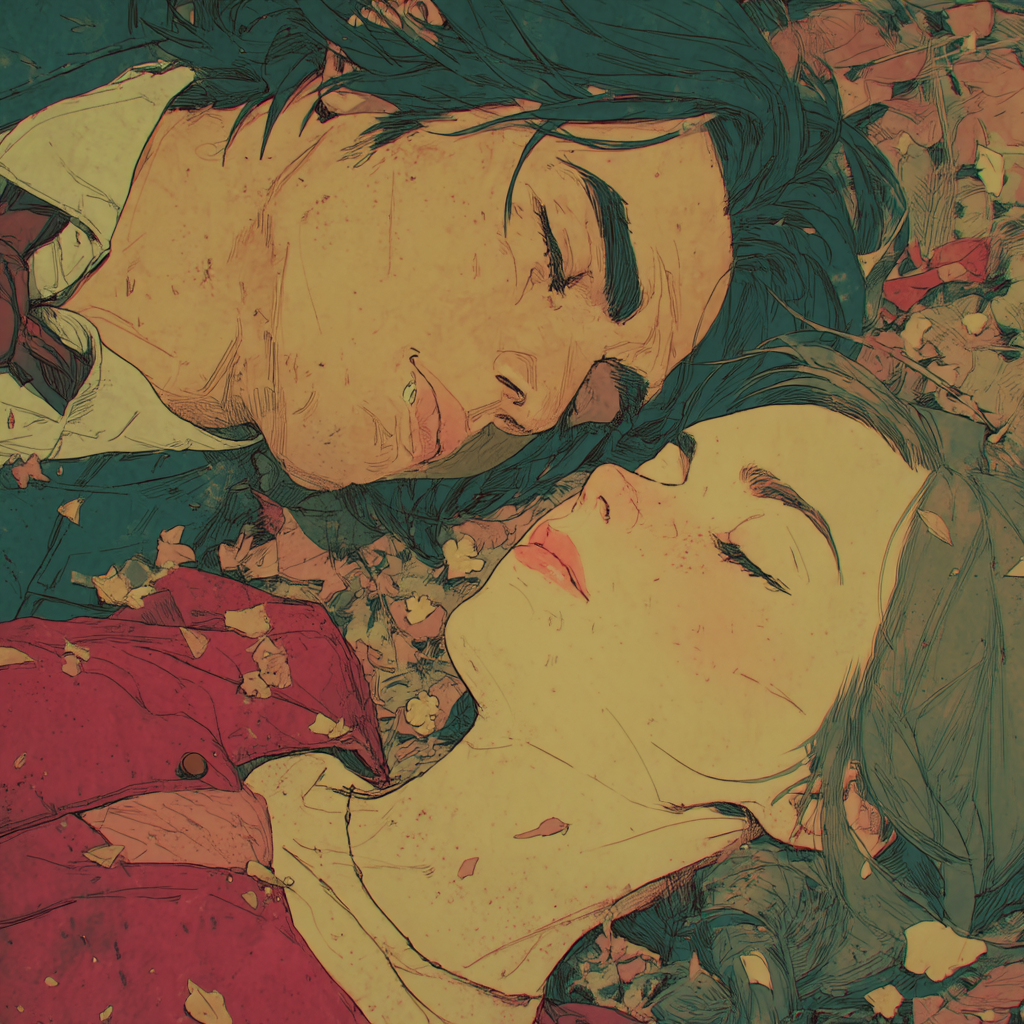
Modern Love: Identity and Resistance
In contemporary art, love expanded beyond romance.
It became:
Political
Cultural
Revolutionary
Artists like Jean-Michel Basquiat infused their work with raw human vulnerability. Love wasn’t just between two people anymore.
It became love for:
Identity
Community
Freedom
Valentine’s Day, in its most powerful form, isn’t just about couples. It’s about connection. And art is connection made visible.
Why Love Will Always Belong to Artists
Warriors, here’s the truth. Empires fall, trends fade, currencies fluctuate, but love? It keeps inspiring creation. From ancient myths to Renaissance masterpieces to Klimt’s golden embrace, artists have been trying to answer one impossible question:
What does love look like?
Every generation paints it differently.
And every February, when the world leans into romance, art quietly whispers:
“I’ve been here long before the holiday.”

Final Reflection
Valentine’s Day is commercial. Sure. But beneath the surface lies thousands of years of artistic obsession with the same force that moves us today. For me, that force is perfectly captured in The Kiss. Two figures suspended in gold on the edge of the unknown.
That is love. And that is why art will always own Valentine’s Day.
Stay passionate.
Stay vulnerable.
Stay golden.
If you enjoyed this article, you can read more below:
Frida Kahlo Controversy: Why Mexico vs Spain Is Sparking a Cultural Debate