
Samurai Erotica Exhibition
Greetings Warriors!
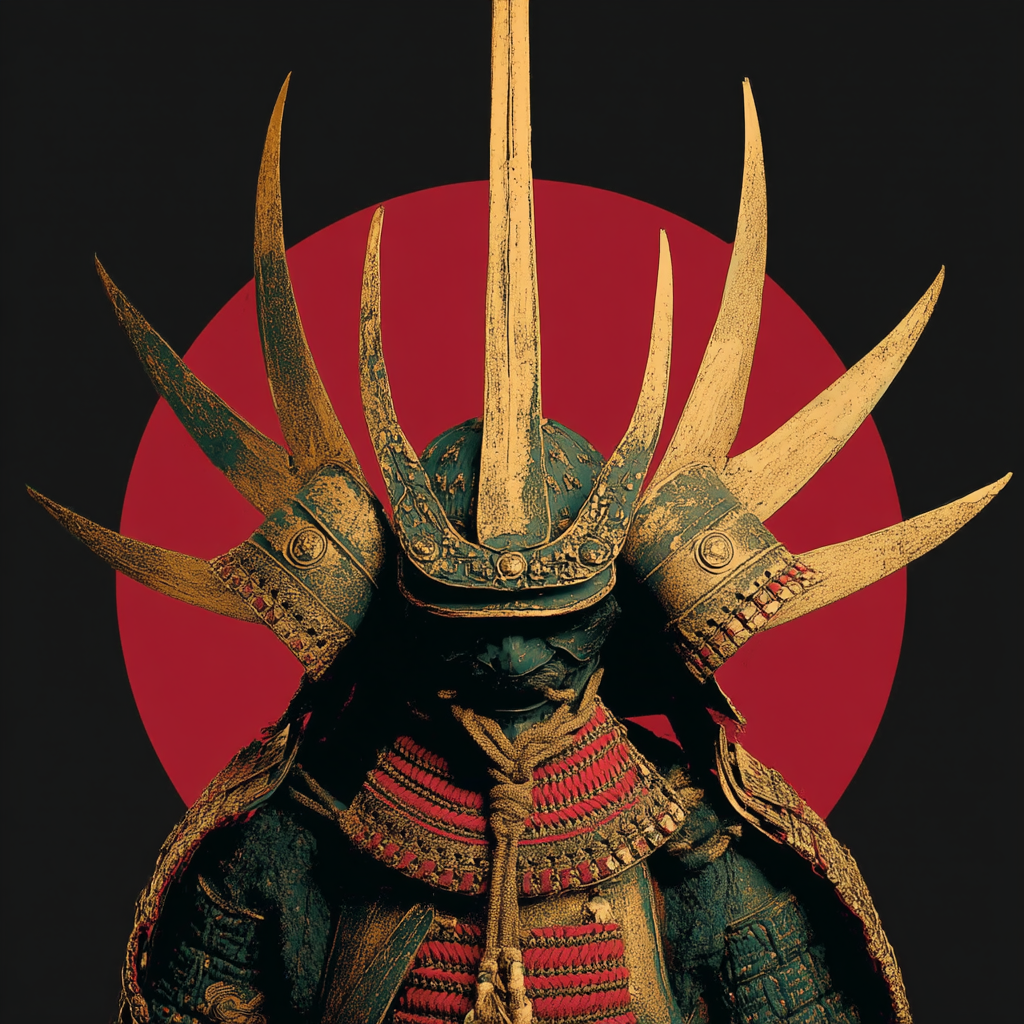
This week the art world didn’t whisper — it kicked the door open wearing armor, silk robes, and a scandalous grin.
At the center of the noise? Erotic Samurai art. Ancient Japanese imagery. Warriors with blades in one hand and desire in the other. And suddenly, the internet remembered what it does best: argue, panic, moralize, and misunderstand history in real time.
Let’s talk about it. Not the polite, museum-placard version. The real one.
Check out my new poem book!
A collection of my most deepest thoughts.
The Samurai Myth We Were Sold
Most of us grew up on a very clean version of the samurai.
Stoic.
Silent.
Honorable.
Emotionless.
Always facing death with clenched teeth and perfect posture.
Hollywood loved that myth. Video games polished it. Fashion brands slapped it on jackets. Influencers turned it into motivational quotes about “discipline” and “code.”
But myths are comfortable lies. And museums — when they’re doing their job — exist to break those.
This exhibition didn’t just show armor and swords. It showed humans. Samurai as men of flesh, appetite, contradiction. Samurai who fought brutal wars by day and sought pleasure, intimacy, and escapism by night. And that’s where the panic started.
Get two custom AI Art created by yours "King Romulus" truly every month. Uniquely crafted, with expressive quotes that dive deep into my subconsciousness. One of the art pieces will be posted on my Instagram account as well. Live through art history in the making!
Why Eroticism Makes People Uncomfortable (Especially in Museums)
Here’s the truth no one wants to say out loud. People are fine with violence in museums. They get uncomfortable with sex. We can stare at blood-stained armor, execution blades, and centuries of organized killing without blinking. But show a warrior desiring another human? Suddenly it’s “inappropriate.”
Erotic art isn’t new to Japan. Edo-period shunga prints existed openly. Sexuality wasn’t hidden behind puritan curtains. It was part of life, humor, power, vulnerability.
The shock isn’t historical.
It’s cultural — and modern.
We’re viewing ancient work through contemporary insecurity.


The Culture War Angle: What People Are Really Fighting About
Online debates aren’t actually about samurai. They’re about control.
1. Who gets to define history
Some want history heroic and clean. Others want it honest and uncomfortable. Erotic samurai art threatens the fantasy that warriors were pure symbols instead of complicated humans.
2. Myth vs. Reality
When myths crack, people feel robbed. Especially when they’ve built identity, masculinity, or “discipline culture” around a romanticized image.
3. Western projection
A lot of outrage comes from projecting Western moral standards onto non-Western history. Japan didn’t experience sexuality the same way Victorian Europe did — and it never asked permission.


Museums Aren’t Here to Comfort You
Let me say this clearly. Museums are not theme parks. They are not Instagram backdrops. They are not here to protect your childhood heroes. They are battlegrounds for truth.
If an exhibition doesn’t challenge you, confuse you, or make you slightly uncomfortable, it’s probably failing.
Erotic samurai art doesn’t erase honor. It adds context. It says warriors weren’t statues — they were people navigating power, desire, boredom, trauma, and mortality. That doesn’t weaken history. It deepens it.


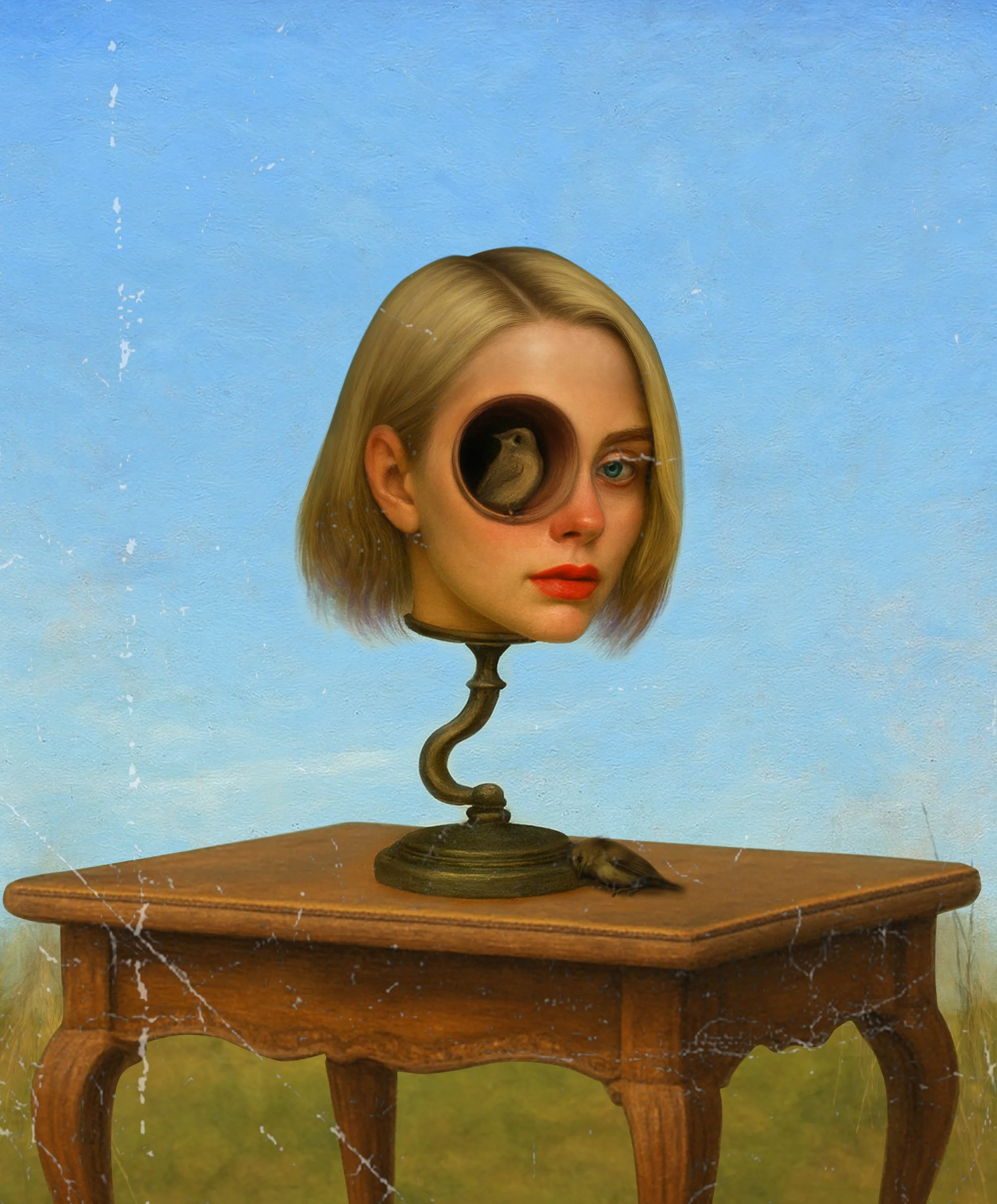
Vosoughi, I Am The Light! - 2025
Why This Moment Matters Right Now
This controversy didn’t happen in a vacuum.
We’re living in an era where:
Masculinity is being questioned
Power structures are being re-examined
Myths are collapsing across politics, culture, and art
The samurai myth was always about control, discipline, and dominance. Showing intimacy disrupts that narrative. It reminds us that even the most feared warriors were vulnerable to desire.
And vulnerability terrifies people more than violence ever could.
The Art World’s Quiet Truth
Here’s the uncomfortable conclusion:
Erotic samurai art isn’t radical. It’s honest. What’s radical is how badly modern audiences need their heroes to stay one-dimensional. Art doesn’t exist to preserve fantasy. It exists to expose reality. And reality is messy. Sweaty. Emotional. Human. Just like the warriors we pretend were above it all.
Final Word, Warriors
This isn’t about scandal. It’s about courage. The courage to let history breathe. The courage to let icons fall off pedestals. The courage to accept that strength and desire can coexist. The samurai didn’t lose their honor because they loved, lusted, or lived fully.
If anything — that made them more real.
And real warriors?
They don’t flinch from truth.
They face it head-on.