

Frida Kahlo Controversy: Why Mexico vs Spain Is Sparking a Cultural Debate
Greetings Warriors!
Alright… today we’re stepping into international art drama. Not the petty “he copied my brushstroke” drama. I’m talking about Frida Kahlo, Mexico, Spain, colonial history, museum politics — and a controversy that proves once again art is never just art, it’s identity, it’s power, it’s memory. And sometimes… it’s a diplomatic headache. So grab your metaphorical armor. We’re going in.
Check out my new poem book!
A collection of my most deepest thoughts.

Frida Kahlo Wasn’t Just Painting — She Was Building a Nation in Real Time
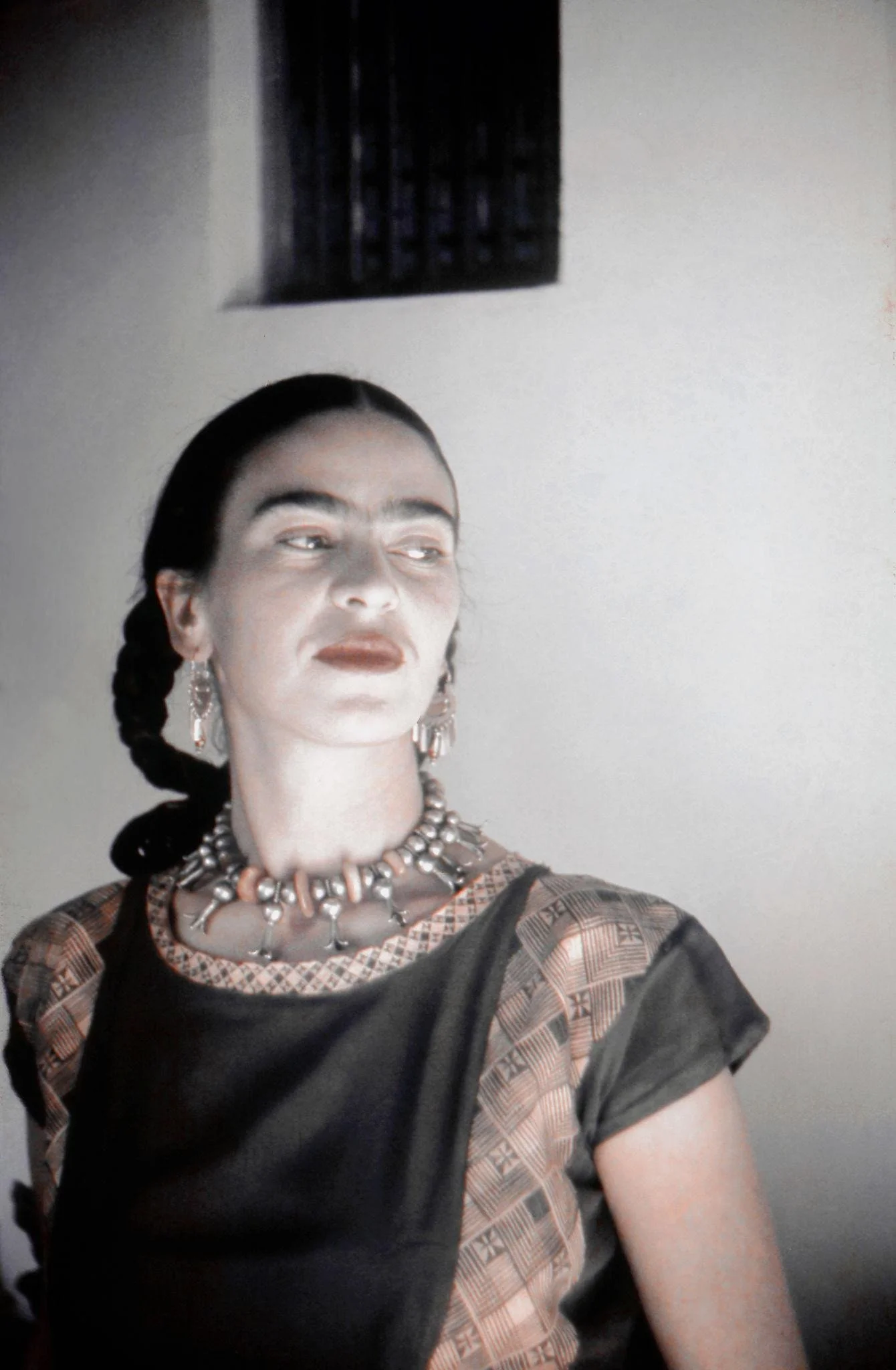
Let’s get something straight. Frida wasn’t just “that cool lady with the flowers and the unibrow”. She was Mexico in human form. She painted her broken spine, her miscarriages, her political rage, her love affairs, her Indigenous pride. She wore Tehuana dresses not because Vogue said it was trending — but because it screamed:
“I know who I am.”
And that identity was fiercely Mexican. So when her work travels to Spain for major exhibitions, people don’t see a museum loan. They see symbolism. And symbolism hits deeper than shipping logistics.
Get two custom AI Art created by yours "King Romulus" truly every month. Uniquely crafted, with expressive quotes that dive deep into my subconsciousness. One of the art pieces will be posted on my Instagram account as well. Live through art history in the making!
The Exhibition That Sparked the Debate
Here’s the situation, important works associated with Frida Kahlo were exhibited in Spain.
Legally? Clean.
Contractually? Fine.
Standard museum loan practices? Yes.
Emotionally?
Ohhhh, Warriors… that’s where it gets spicy.
Mexico was colonized by Spain for about 300 years. Three centuries.
That’s not a quick bad relationship. That’s generational. So when one of Mexico’s most powerful cultural icons is displayed in Spain, critics ask":
“Is this cultural exchange… or historical irony?”
Meanwhile Spain says:
“Relax. It’s art. We’re celebrating her.” And both sides have a point. Which is why this is interesting.


The Colonial Shadow Nobody Likes to Admit Still Exists
Mexico gained independence in 1821. But history doesn’t just pack up and move out. It lingers in language, architecture, economics and in inherited wounds. Frida understood this deeply, while her art was rejected European beauty standards. She centered Indigenous identity. She leaned into Mexicanidad like it was armor.
So yes — when her paintings hang in Spain, some people feel tension. Not because the paintings were stolen. But because memory doesn’t operate on legal documents. It operates on emotion. And emotion doesn’t care about paperwork.


“Art Belongs to the World” — The Counterattack
Now let’s flip the blade. The museum world argues that art should travel, culture should connect, great artists are global. And they’re not wrong.
Frida is universal now. Her face is on tote bags in Brooklyn. Murals in Berlin. Dorm rooms in Tokyo. Instagram captions everywhere. She transcended borders decades ago. Spain today is not 16th-century Spain. Modern exhibitions can be bridges — not power grabs.
So the question becomes:
Are we honoring her legacy globally…
Or are we projecting old wounds onto modern exchanges? That’s the uncomfortable middle ground.

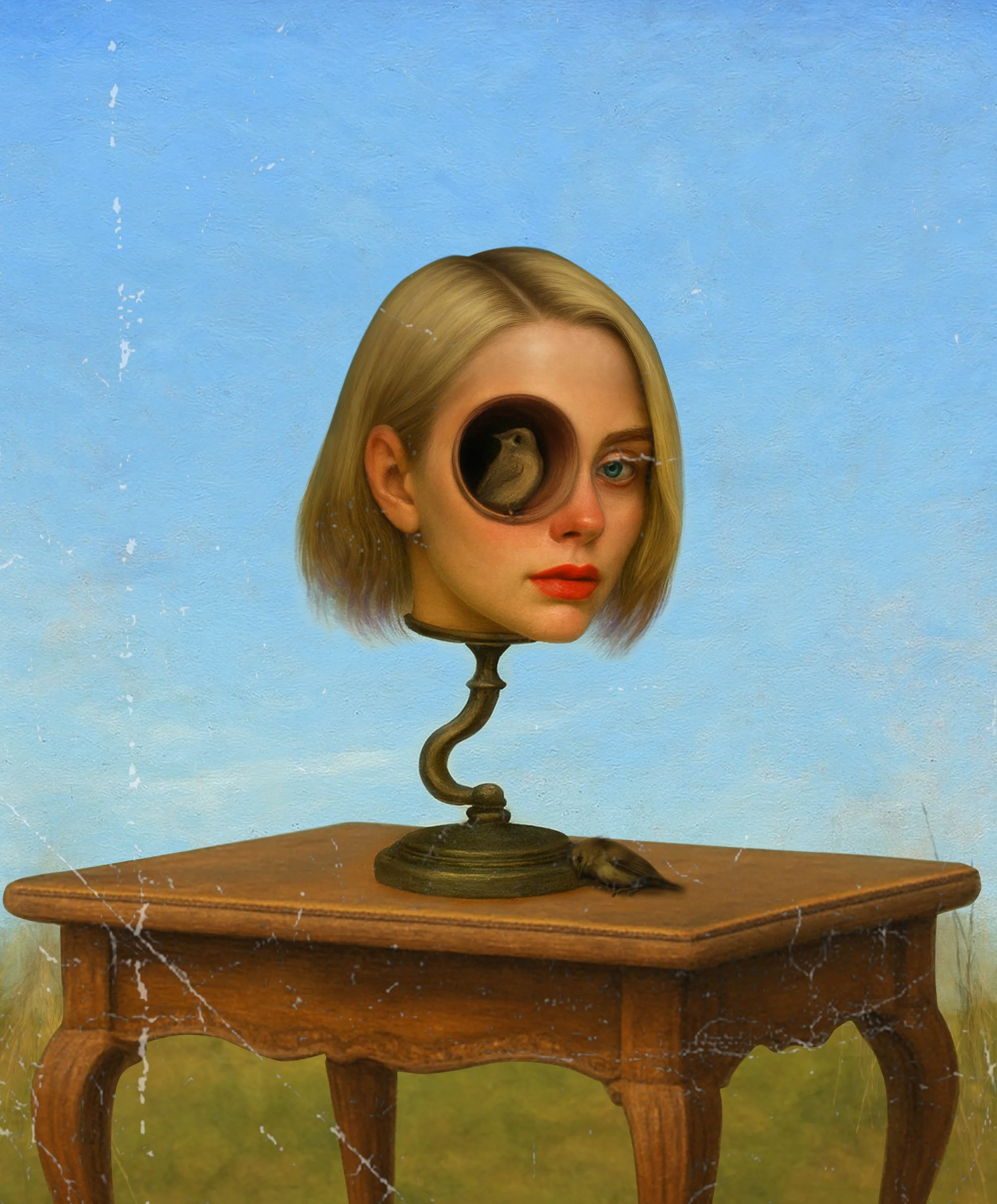
Vosoughi, I Am The Light! - 2025
The Real Battlefield: Who Owns Cultural Icons?
Let’s zoom out, Warriors. This debate is bigger than Frida.
We’ve seen this energy before. African artifacts in European museums. Greek sculptures in London. Indigenous art in Western collections.
Now here’s the twist, Frida’s works weren’t looted in some colonial raid.
These are modern, voluntary loans. But symbolism doesn’t care about technicalities. Frida Kahlo is not just an artist. She is a national icon. And when icons move, people feel protective. Especially when history between nations is… complicated.
The Part That Actually Matters (And Nobody Is Saying Loud Enough)
Here’s my Warrior take. I don’t care where the painting hangs. I care how it’s framed. If Frida’s work is shown in Spain — or anywhere — then:
Don’t sanitize her politics.
Don’t mute her communism.
Don’t erase her disability.
Don’t turn her into aesthetic wallpaper for museum selfies. She wasn’t a Pinterest mood board. She was steel wrapped in flowers. If context travels with the canvas, then good. If her revolutionary fire is preserved, then display her everywhere. But if institutions flatten her into something comfortable and marketable?
That’s the real cultural loss.
Not geography.
Casa Azul — Why This Feels Personal
If you’ve ever walked through Museo Frida Kahlo — Casa Azul — you know. It’s not just a museum. It feels like stepping inside someone’s bloodstream. Her wheelchair sits near her easel. Her garden still breathes. The blue walls glow like they remember her. To many Mexicans, that house is sacred. So when her art travels abroad, even temporarily, it feels like lending out a family heirloom. Sacred things make people emotional.
And emotional things create headlines.
Final Thoughts From a Battle-Scarred Philosopher
Warriors, this isn’t about being anti-Spain. It’s not about nationalism versus globalization. It’s about respect.
Frida Kahlo painted herself broken and proud at the same time. She didn’t paint to belong to one nation. She painted to survive. And survival transcends borders.
So maybe the real question isn’t:
“Should her art be in Spain?”
Maybe the real question is:
“Are we strong enough to preserve her truth wherever she hangs?”
That cannot be colonized.
And that, Warriors, is the lesson.